From Show Car to Desert Racer: The AWDROLA’s Mint 400 Challenge

The AWDROLA’s Radical Transformation

The journey from a polished show car to a hardened desert racer is a path few vehicles complete. The “AWDROLA,” a 1989 Toyota Corolla GT-S (AE92), is attempting just that. Having gained fame on the show circuit at events like SEMA, this iconic hatchback, adorned with classic desert racing stripes, is now being tested in the ultimate crucible: the legendary Mint 400 race in the Nevada desert.

Engineering for the Extreme

Transitioning from convention center carpet to brutal desert silt requires a fundamental re-engineering. The AWDROLA’s build focused on creating a durable, capable off-road machine while retaining its charismatic Toyota shell. A custom long-travel suspension system was essential to absorb the massive impacts of desert whoops and jumps. The drivetrain received a significant upgrade, with a robust all-wheel-drive system replacing the original configuration, giving the lightweight Corolla the traction needed for loose surfaces.

Proving Grounds: The Mint 400

The Mint 400 is not a gentle introduction to off-road racing. Known as “The Great American Off-Road Race,” it presents a relentless challenge of rugged terrain, dust, and endurance. For the AWDROLA, this race is the final validation of its build. It moves beyond being a visual spectacle to prove its functionality and resilience under extreme competitive stress. Success here would cement its legacy not just as a show-stopper, but as a genuine, competitive desert racer.

A New Blueprint for Builds

This project represents a growing philosophy in the automotive world: the pursuit of genuine capability over static presentation. The AWDROLA demonstrates that a car can be both aesthetically celebrated and mechanically formidable. Its attempt at the Mint 400 inspires a new conversation about the purpose of custom builds, championing the idea that true innovation is proven under the harshest conditions, far from the glow of show lights.

WEC Cancels Qatar Race, Casting Shadow on F1 Calendar

WEC Calls Off Qatar Event Amid Regional Tensions

The Fédération Internationale de l’Automobile (FIA) has officially announced the cancellation of the World Endurance Championship (WEC) round scheduled to take place in Qatar. This decisive move stems from an assessment of the current geopolitical climate in the Middle East, prioritizing participant safety above all else. The announcement immediately raises questions about other major motorsport events slated for the region in the coming months.

Safety Concerns Prompt Calendar Change

In an official statement, the FIA cited the evolving regional situation as the primary reason for withdrawing the event. The governing body emphasized that the safety of teams, drivers, officials, and fans is non-negotiable and forms the cornerstone of all its decisions. This preemptive cancellation suggests significant concerns that could extend beyond a single series, potentially affecting the entire international motorsport circuit’s schedule in the area.

Formula 1’s Upcoming Races Under Scrutiny

The WEC’s decision places immediate pressure on the Formula 1 calendar, which features multiple events in the Gulf region. The sport is scheduled to hold Grands Prix in Qatar, Bahrain, and Saudi Arabia in the early part of the season. While each country presents a distinct geopolitical profile, the WEC’s withdrawal will inevitably lead to intensified security evaluations by F1 officials, race promoters, and competing teams. The logistics and contracts involved make a last-minute cancellation complex, but the precedent set by the FIA’s endurance racing division cannot be ignored.

Broader Implications for International Sport

This development highlights the intricate relationship between global sports and international stability. Major events like the WEC and Formula 1 rely on guaranteed safety and stability to operate. When a leading sanctioning body like the FIA alters plans for one of its flagship series, it sends a powerful signal to the entire industry. All stakeholders will now be closely monitoring official communications from Formula One Management regarding any potential adjustments to the F1 calendar, awaiting reassurance or further changes.

Gridlife Acquisition: A New Era for American Motorsport Culture

Gridlife Acquisition: A New Era for American Motorsport Culture

The recent acquisition of Gridlife marks a pivotal moment for grassroots and enthusiast motorsport in North America. More than just a series of events, Gridlife cultivated a unique community where high-octane track action seamlessly blended with festival vibes, creating a cultural phenomenon distinct from traditional professional racing.

Beyond the Track: The Gridlife Phenomenon

Gridlife successfully built a bridge between competitive motorsport and popular car culture. Its event portfolio was diverse, catering to a wide spectrum of enthusiasts. From amateur track day participants seeking to improve their lap times to professional-level drifting competitions and wheel-to-wheel Time Attack battles, Gridlife offered a platform for all. The integration of music festivals, car shows, and vendor markets transformed race weekends into immersive experiences, attracting audiences beyond the core motorsport fanbase.

Implications of the Ownership Change

While specific details of the acquisition remain private, the change in ownership signals a significant transition. For the community, the central questions revolve around continuity and vision. Will the new stewardship preserve the distinctive festival atmosphere and accessible competition structure that defined the brand? Strategic investment could potentially expand the event calendar, enhance broadcast capabilities, and improve facilities, raising the profile of grassroots motorsport. However, maintaining the authentic, community-driven ethos will be crucial for its continued success.

The Road Ahead for Enthusiast Racing

This development highlights the growing commercial appeal and cultural weight of enthusiast motorsport. Gridlife’s model proved that there is a substantial, engaged audience for events that prioritize experience and community alongside competition. The acquisition likely reflects a belief in the scalability of this model. The future direction of Gridlife under new ownership will be closely watched, as it could set a precedent for how grassroots motorsport ecosystems evolve, balancing growth with the core values that built their loyal following.

Retro Gaming Meets Classic Car: A Steam Deck Dashboard Mod

Retro Gaming Meets Classic Car: A Steam Deck Dashboard Mod

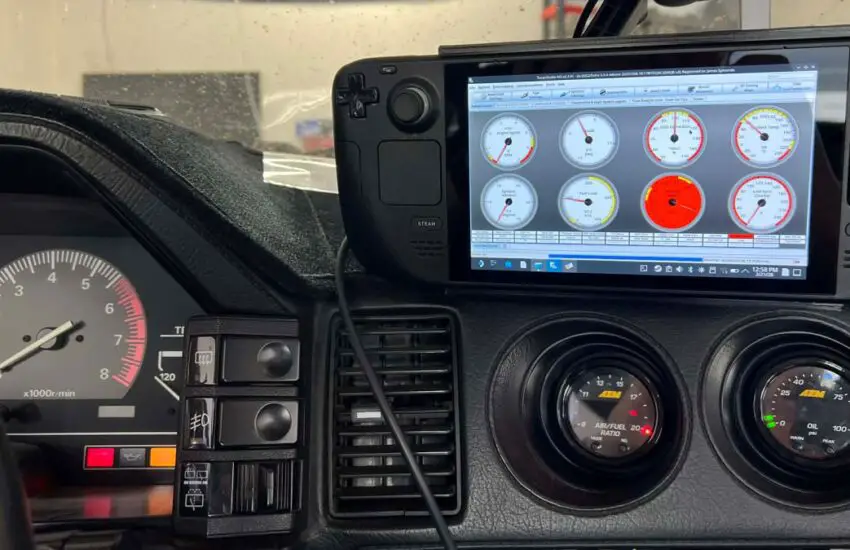
The world of car customization is constantly evolving, blending technology with tradition in unexpected ways. One of the most intriguing recent trends involves integrating modern gaming hardware into vintage vehicles. This fusion creates a unique driving experience, merging the tactile feel of classic automotive engineering with the digital versatility of contemporary portable computing.

Transforming the Driving Experience

Imagine having the full power of a gaming PC and media center seamlessly built into your classic car’s dashboard. This innovative modification does exactly that. By securely mounting a handheld gaming console, enthusiasts gain access to navigation, music libraries, performance diagnostics, and of course, gaming—all from the driver’s seat. This setup turns a stationary charging period or a passenger’s wait into an opportunity for entertainment, without compromising the vehicle’s original interior aesthetics when done thoughtfully.

Technical Considerations for a Safe Installation

Executing this modification requires careful planning. The primary concern is safety; the mounting solution must be extremely robust to prevent the device from becoming a projectile in sudden stops. Power management is another critical factor, requiring a clean, regulated power source from the vehicle’s electrical system to avoid damaging the sensitive electronics. Furthermore, the installation must not interfere with airbag deployment, critical sightlines, or essential vehicle controls. Using custom brackets and professional-grade adhesives or fasteners is often necessary for a secure and reliable fit.

More Than Just a Gaming Console

While the gaming capability is a standout feature, the utility of this mod extends far beyond. The device can serve as a high-end media center, a digital gauge cluster for monitoring engine parameters via an OBD-II adapter, or a sophisticated GPS navigation system. For the true automotive enthusiast, it represents the ultimate fusion of their passions, bringing a piece of cutting-edge technology into the analog cockpit of a beloved classic car. It’s a testament to personalized innovation, where the journey and the destination are both enhanced by a touch of modern ingenuity.

The BMW i8’s Secret: An Exhaust That Composes Music

The Symphony of Engineering: Inside the BMW i8’s Exhaust

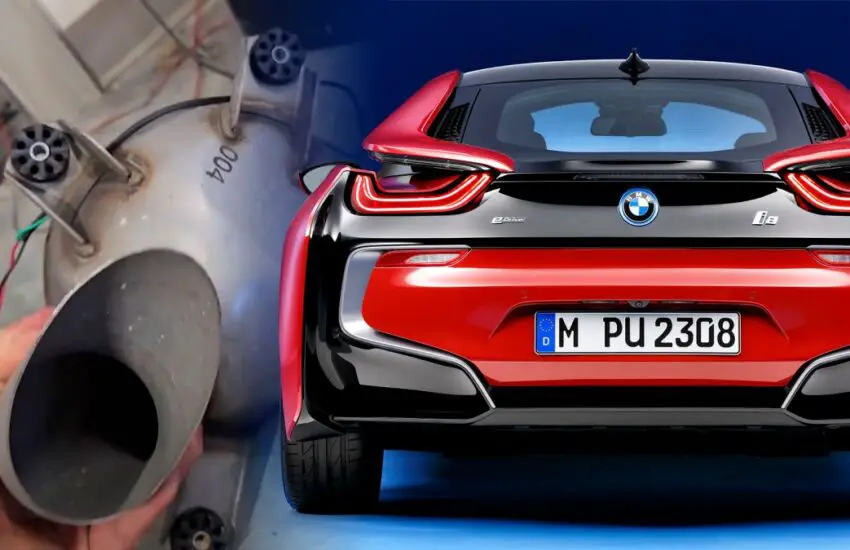
The BMW i8 was a masterpiece of contradiction. It defied easy categorization, blending futuristic design with innovative engineering. One of its most fascinating and lesser-known features was its ability to produce a distinctive, almost musical exhaust note—a remarkable feat considering its modest internal combustion engine.

An Unlikely Instrument

At the heart of the i8’s powertrain lay a 1.5-liter turbocharged three-cylinder gasoline engine, paired with an electric motor. While potent in combination, a small three-cylinder engine is not typically associated with an exhilarating soundtrack. BMW’s engineers faced a unique challenge: to create an acoustic character worthy of the i8’s stunning, supercar-like appearance. The solution was not brute force, but clever acoustic engineering.

Engineering the Soundtrack

The i8’s exhaust system was meticulously tuned to act as a resonant chamber. Specific frequencies within the exhaust flow were amplified and refined, transforming the raw mechanical sound into a more composed and engaging note. This process involved precise calculations on the geometry of the exhaust pipes, resonators, and the muffler to highlight certain harmonic tones while canceling out less desirable ones. The result was a sharp, metallic, and surprisingly rich exhaust note that elevated the driving experience beyond the engine’s physical specifications.

More Than Just Noise

This “musical” exhaust was a key part of the i8’s emotional appeal. It provided an auditory feedback that connected the driver to the hybrid powertrain’s behavior, especially during aggressive acceleration when the gasoline engine worked in concert with the electric motor. The sound was a crafted personality trait, ensuring the i8 felt alive and engaging, bridging the gap between its eco-friendly hybrid technology and its aspirational sports car ethos. It stands as a testament to how sensory details can define a car’s character as much as its performance figures.

Understanding and Fixing Chrysler OBD2 Code P1505: Idle Air Control System Malfunction

What is OBD2 Code P1505 on a Chrysler Vehicle?

When your Chrysler, Dodge, or Jeep’s check engine light illuminates and a scan tool reveals trouble code P1505, it indicates a specific fault within the engine’s idle speed management system. Formally defined as “Idle Air Control System Malfunction”, this Diagnostic Trouble Code (DTC) is set when the vehicle’s Powertrain Control Module (PCM) detects an irregularity in the circuit or performance of the Idle Air Control (IAC) valve or motor. Unlike codes pointing to a single component failure, P1505 often signifies a system-level problem, requiring a methodical diagnostic approach to pinpoint the exact root cause, which can range from a simple dirty throttle body to a failing PCM.

Symptoms and Common Causes of a P1505 Fault Code

Ignoring a P1505 code can lead to drivability issues and potential damage. Recognizing the symptoms is the first step toward a solution.

Primary Symptoms of Code P1505

  • Erratic or Unstable Idle: The engine RPM may surge up and down unpredictably while stopped.
  • Stalling: The engine may frequently stall when coming to a stop, when the A/C compressor engages, or when shifting into gear.
  • Incorrect Idle Speed: The engine may idle too high (fast idle) or too low (rough, lumpy idle).
  • Illuminated Check Engine Light (CEL): The CEL is always on with a stored P1505 code.
  • Hard Starting: Difficulty starting, especially when the engine is warm, can occur.

Most Common Causes of P1505

  • Faulty Idle Air Control (IAC) Valve/Motor: The most common culprit. The motor can wear out, get stuck, or its internal components can fail.
  • Carbon Buildup in Throttle Body: Heavy carbon deposits around the throttle plate and IAC air passages can restrict or block air flow, preventing proper IAC operation.
  • Electrical Issues: Problems in the IAC circuit, including damaged wiring, poor connections, corroded terminals, or blown fuses.
  • Vacuum Leaks: Unmetered air entering the intake manifold after the Mass Air Flow (MAF) sensor can confuse the PCM and mimic IAC faults.
  • Failed Powertrain Control Module (PCM): While less common, a faulty PCM that cannot properly control the IAC motor can trigger this code.

Step-by-Step Diagnostic Procedure for P1505

A systematic diagnosis saves time and money. Always start with the simplest and most common fixes before moving to complex components.

Step 1: Preliminary Checks and Visual Inspection

Begin with a thorough visual inspection. Check for any obvious vacuum leaks by listening for hissing sounds and inspecting all vacuum hoses and intake manifold gaskets. Examine the wiring harness connected to the IAC valve for any signs of chafing, burns, or disconnected plugs. Verify all related fuses in the vehicle’s fuse box are intact.

Step 2: Clean the Throttle Body and IAC Passages

This is a critical and often curative step. Remove the air intake duct to access the throttle body. Using a throttle body cleaner and a soft brush or cloth, thoroughly clean the throttle plate (do not force it open), its bore, and the small air passages leading to and from the IAC valve. If the IAC valve is easily removable, clean its pintle tip as well. Clear the code after reassembly and test drive. Many P1505 codes are resolved here.

Step 3: Test the Idle Air Control Valve

If cleaning doesn’t work, test the IAC valve itself. With the engine off, disconnect the IAC electrical connector. Using a digital multimeter (DMM), measure the resistance across the IAC valve’s terminals. Consult your vehicle’s service manual for specifications, but typical resistance ranges from 7 to 13 ohms. A reading of 0 ohms (short) or infinite OL (open) indicates a bad valve. You can also apply 12 volts (briefly) to the valve to see if the pintle extends/retracts, but refer to a wiring diagram first.

Step 4: Check Circuit Voltage and PCM Signals

This step tests the “wiring and command” side. With the IAC connector disconnected and the ignition key ON (engine off), use your DMM to check for reference voltage (usually 5V or 12V) at the appropriate pin in the harness connector (refer to a wiring diagram). Using a scan tool with bidirectional controls, command the IAC valve to step open and closed. You should hear a distinct clicking sound from the valve. No click suggests a bad valve or a break in the command circuit from the PCM.

Repair Solutions and Prevention Tips

Once the root cause is identified, the repair path becomes clear.

Effective Repair Strategies

  • Replace the IAC Valve: If testing confirms failure, replacement is necessary. Use a high-quality OEM or reputable aftermarket part. Ensure the throttle body mating surface is clean before installation.
  • Repair Wiring Harness: For any found breaks, shorts, or corrosion, repair the wires using solder and heat shrink tubing. Replace damaged connectors.
  • Address Vacuum Leaks: Use a smoke machine or carburetor cleaner (spray carefully) to locate leaks. Replace cracked hoses or faulty gaskets (e.g., intake manifold gasket).
  • PCM Replacement/Reprogramming: This is a last resort. A professional diagnosis confirming PCM failure is needed. PCMs may require programming/VIN flashing after installation.

How to Prevent P1505 from Recurring

  • Follow the manufacturer’s recommended maintenance schedule, including regular air filter changes.
  • Incorporate throttle body cleaning as part of routine maintenance (e.g., every 30,000-50,000 miles).
  • Use top-tier fuel to minimize carbon deposit formation.
  • Address any drivability concerns promptly to prevent strain on the idle control system.

In conclusion, Chrysler OBD2 code P1505 is a manageable fault that points directly at the engine’s idle control system. By following a logical diagnostic sequence—starting with a simple throttle body cleaning and progressing through electrical tests—you can effectively identify and resolve the issue. While a faulty IAC valve is a frequent cause, never overlook the foundational checks for vacuum leaks and carbon buildup, as these are common, inexpensive fixes for a problem that can otherwise lead to frustrating stalling and poor driveability.

BMW P1505 Code: Idle Air Control Valve Malfunction Explained

Understanding the BMW P1505 Fault Code

The OBD2 diagnostic trouble code P1505 is a manufacturer-specific code, primarily associated with BMW vehicles. Its generic definition is “Idle Air Control (IAC) Valve Malfunction.” This code indicates that the vehicle’s engine control module, known as the DME (Digital Motor Electronics) in BMWs, has detected an irregularity in the circuit or performance of the idle air control valve. This critical component is responsible for managing the engine’s idle speed by regulating the amount of air that bypasses the closed throttle plate. A malfunction can lead to significant drivability issues, affecting the smooth operation of your BMW.

What is the Idle Air Control (IAC) Valve?

The Idle Air Control valve, sometimes called an idle speed control valve or air bypass valve, is an electrically operated actuator controlled by the DME. Its primary function is to maintain a stable and correct engine idle speed under varying conditions, such as when the A/C compressor engages, power steering is loaded, or when the engine is cold. It does this by opening or closing a small passage that allows air to flow around the throttle plate, effectively controlling the engine’s air intake at idle independently of the accelerator pedal.

How the DME Detects a P1505 Fault

The DME constantly monitors the IAC valve’s operation. It sends a commanded signal (often a pulse-width modulated signal) to the valve and expects to see a corresponding change in engine speed (RPM) or a specific electrical feedback from the valve’s circuit. The P1505 code is triggered when the actual response deviates from the expected parameters. This could be due to a lack of electrical response, a mechanical failure of the valve, or an engine speed that does not match the commanded adjustment.

Symptoms and Causes of a P1505 Code in Your BMW

Ignoring a P1505 code can lead to worsening performance and potential damage to other components like the catalytic converter due to persistent rich or lean fuel mixtures. Recognizing the symptoms early is key to a simpler repair.

Common Symptoms of a Faulty IAC Valve

  • Erratic or Rough Idle: The engine RPM may surge up and down unpredictably while stopped.
  • Stalling: The engine may stall when coming to a stop, when the A/C kicks on, or during deceleration.
  • High or Low Idle Speed: The idle may be consistently too high (e.g., 1200 RPM) or too low, causing vibration.
  • Hard Starting: Difficulty starting, especially when the engine is cold, as the valve fails to provide the necessary air for a proper start.
  • Illuminated Check Engine Light (CEL): The P1505 code will trigger the CEL. In some cases, the vehicle may also go into a “limp-home” mode.

Primary Causes of the P1505 Code

  • Failed Idle Air Control Valve: The internal electric motor or gear mechanism can wear out or fail completely.
  • Carbon Buildup and Clogging: Over time, oil vapors and carbon can clog the small air passage in the valve or the throttle body, restricting its movement.
  • Electrical Issues: Problems in the wiring harness, such as broken wires, poor connections, or corrosion at the valve’s connector.
  • Blown Fuse or Relay: A fuse supplying power to the IAC valve circuit may be blown.
  • Faulty Throttle Body: In some integrated systems, a problem with the throttle body assembly itself can trigger this code.
  • Vacuum Leaks: While not a direct cause of the code, a large unmetered air leak can confuse the DME and exacerbate IAC valve-related symptoms.

Diagnostic and Repair Procedures for P1505

A systematic approach is essential to correctly diagnose a P1505 code. Avoid the common mistake of replacing the IAC valve immediately, as the issue may be simpler and less expensive to fix.

Step-by-Step Diagnostic Guide

Tools Needed: OBD2 scanner, digital multimeter (DMM), set of hand tools, throttle body cleaner, and a source of vehicle wiring diagrams.

  • Step 1: Scan and Record Codes: Use your OBD2 scanner to confirm the presence of P1505. Clear the code and perform a test drive to see if it returns immediately. Note any other pending codes, as they may be related.
  • Step 2: Visual Inspection: Locate the IAC valve (typically attached to or near the throttle body). Inspect the electrical connector for corrosion, bent pins, or damage. Check the vacuum lines around the throttle body and intake for cracks or disconnections.
  • Step 3: Check for Carbon Buildup: With the engine off, you can often remove the IAC valve (consult a repair manual for your specific BMW model). Inspect the valve pintle and the seat in the throttle body for heavy carbon deposits.
  • Step 4: Electrical Testing: Using a multimeter and wiring diagrams:
    • Check for battery voltage at the power supply wire to the valve with the ignition on.
    • Check the resistance of the IAC valve coil. Specifications vary by model, but an open circuit (infinite resistance) or a short (near zero resistance) indicates a faulty valve.
    • Check for continuity in the wiring from the valve connector back to the DME.
  • Step 5: Functional Test (With Advanced Scanner): Some advanced scan tools can command the IAC valve to open or closed positions. You should hear a distinct clicking sound from the valve as it operates.

Repair Solutions for BMW P1505

  • Cleaning the IAC Valve and Throttle Body: If carbon buildup is the issue, carefully clean the valve’s pintle and the throttle body bore with a dedicated throttle body cleaner. Never use carburetor cleaner, as it can damage sensitive coatings. Allow parts to dry completely before reassembly.
  • Repairing Wiring: Fix any broken wires, clean corroded connectors, and ensure all connections are secure.
  • Replacing the IAC Valve: If the valve fails electrical or functional tests, replacement is necessary. Use a high-quality OEM or reputable aftermarket part. Important: After replacing the valve or cleaning the throttle body, many BMW models require a throttle adaptation or reset procedure using a specialized scanner to relearn the idle positions.
  • Addressing Vacuum Leaks: Use a smoke machine or propane enrichment method to locate and seal any vacuum leaks in the intake system.

Preventative Maintenance Tips

To prevent a recurrence of the P1505 code, incorporate these practices into your BMW’s maintenance routine:

  • Use high-quality fuel and consider periodic fuel system cleaners.
  • Replace the engine air filter at recommended intervals to minimize dirt ingress.
  • During major service intervals, inspect the throttle body and IAC valve area for early signs of carbon accumulation.
  • Ensure the crankcase ventilation system (PCV) is functioning correctly, as a faulty system can introduce excess oil vapors into the intake.

Conclusion

The BMW P1505 code is a clear signal from your car’s DME that the idle air control system is not performing as designed. While the symptoms—rough idle, stalling, hard starts—can be frustrating, the underlying cause is often a straightforward mechanical clog or a single component failure. By following a logical diagnostic process, starting with visual inspection and cleaning, you can often resolve this issue without unnecessary expense. For complex electrical diagnostics or if the code persists after basic repairs, consulting a BMW specialist with advanced diagnostic equipment is highly recommended to ensure your vehicle returns to its signature smooth and precise operation.

OBD2 Code P1505 Audi: Idle Air Control System Malfunction Explained

Understanding the P1505 Code in Your Audi

When your Audi’s check engine light illuminates and a scan reveals the generic OBD2 diagnostic trouble code P1505, it indicates a specific fault within the engine’s idle speed control system. Formally defined as “Idle Air Control System Malfunction,” this code is a common trigger for irregular idle behavior in many Audi models, including the A4, A6, TT, and older platforms like the B5 and C5. The code is set when the Engine Control Module (ECM) detects that the actual engine idle speed deviates significantly from its commanded or expected value, and it cannot correct the discrepancy using the primary idle air control components. Addressing P1505 is crucial not only for drivability but also for preventing potential damage to the catalytic converter and ensuring optimal fuel economy.

Core Function of the Idle Air Control System

The idle air control (IAC) system’s primary job is to manage engine speed when the throttle plate is closed—during deceleration, at a stop, or during cold starts. It bypasses the main throttle body, allowing a metered amount of air to flow into the intake manifold, thereby controlling idle speed. In older Audi models with a cable-actuated throttle, this is typically done by a dedicated Idle Air Control Valve (IACV). In newer drive-by-wire systems, idle control is integrated into the function of the Electronic Throttle Body (ETB) or “E-Gas” system, where the ECM directly commands small throttle plate movements.

Common Symptoms and Causes of P1505 in Audi Vehicles

Ignoring a P1505 code can lead to worsening drivability issues. Recognizing the symptoms early can help prevent a minor issue from becoming a major repair.

Primary Symptoms of a P1505 Fault

  • Erratic or High Idle Speed: The engine may idle inconsistently, surging up and down, or settle at an abnormally high RPM (e.g., 1200-1500 RPM) when warm.
  • Low or Stalling Idle: Conversely, the idle may be too low, causing the engine to shake violently or stall when coming to a stop, especially with electrical loads (A/C, headlights) engaged.
  • Illuminated Check Engine Light (CEL): P1505 will trigger the CEL. In some cases, the car may also go into a “limp-home” mode, limiting power and RPM.
  • Poor Cold Start Performance: Difficulty starting or unstable idle until the engine reaches operating temperature.
  • Rough Engine Operation at Stop: Noticeable vibration and uneven running while stationary.

Root Causes of the P1505 Diagnostic Code

  • Faulty or Clogged Idle Air Control Valve (IACV): Carbon buildup can seize the valve pintle or its bore, preventing proper movement. The valve’s internal motor can also fail.
  • Dirty or Faulty Throttle Body: Heavy carbon deposits around the throttle plate bore disrupt the precise airflow needed for stable idle, especially in drive-by-wire systems.

  • Vacuum or Intake Air Leaks: Unmetered air entering the intake manifold post-Mass Air Flow (MAF) sensor fools the ECM. Common leak points include cracked vacuum hoses, intake manifold gaskets, brake booster lines, and PCV system components.
  • Electrical Issues: Problems with the IAC valve wiring harness, such as broken wires, poor connectors, or corrosion, can interrupt the control signal. Blown fuses for the ECM or throttle body are also possible.
  • Failed Throttle Body or Throttle Position Sensor (TPS): In electronic throttle bodies, a faulty motor or sensor can prevent correct idle positioning.
  • Faulty Engine Control Module (ECM): While rare, a malfunctioning ECU can send incorrect signals. This should be considered only after all other causes are ruled out.

Step-by-Step Diagnostic and Repair Procedures

A systematic approach is key to efficiently diagnosing and fixing a P1505 code. Always start with the simplest and most common causes before moving to complex components.

Step 1: Preliminary Inspection and Scan Tool Use

Begin by using a professional-grade OBD2 scanner (like VCDS/VAG-COM for Audi) to confirm the P1505 code and check for any accompanying codes (e.g., P0101, P0102 for MAF issues, or other air/fuel mixture codes). Clear the code and perform a test drive to see if it returns immediately or under specific conditions. Visually inspect the engine bay for obvious vacuum hose disconnections, cracks, or damaged air intake components.

Step 2: Checking for Vacuum and Intake Leaks

Vacuum leaks are a prime suspect. Use a smoke machine to pressurize the intake system—the most effective method. Alternatively, listen for hissing sounds or use carburetor cleaner sprayed around suspected leak points (intake gaskets, vacuum lines). If the engine RPM changes when the spray is applied, you’ve found a leak. Repair or replace the leaking component.

Step 3: Cleaning the Throttle Body and IAC Valve

For many Audis, this is the cure. Remove the air intake hose to access the throttle body. Using a throttle body cleaner and a soft brush or cloth, thoroughly clean the throttle plate, its bore, and the bypass air passages. Important: Do not force the throttle plate open. For vehicles with a separate IAC valve, remove it according to service manual instructions and clean its pintle and passageways. After reassembly, an electronic throttle body adaptation is often required using a scan tool to reset the ECU’s learned values for the throttle plate’s resting position.

Step 4: Testing the Idle Air Control Valve

If the valve is separate, you can test it. With the engine off, disconnect the electrical connector. Using a multimeter, check the valve’s resistance across its terminals (refer to service data for specs, often between 7-15 ohms). An open or short circuit indicates a bad valve. You can also apply 12 volts directly to the valve (briefly) to see if the pintle extends/retracts. No movement means the valve is seized or dead.

Step 5: Advanced Electrical and Component Testing

If the above steps fail, deeper diagnostics are needed. Check all power and ground circuits to the IAC valve or throttle body. Back-probe the control signal wire with a multimeter or oscilloscope to verify the ECM is sending a proper variable signal. Consult wiring diagrams for your specific Audi model. As a last resort, and if all wiring checks out, consider replacing the IAC valve, throttle body assembly, or—very rarely—testing/replacing the Engine Control Module.

Prevention and Long-Term Maintenance Tips

Preventing a recurrence of P1505 involves regular maintenance of your Audi’s air intake and fuel systems.

Key Maintenance Practices

  • Regular Air Filter Changes: A clean air filter prevents excessive dirt from entering the throttle body.
  • Periodic Throttle Body Cleaning: Include throttle body inspection and cleaning as part of major service intervals (e.g., every 60,000 miles).
  • Use Top-Tier Fuel and Additives: High-quality fuel and occasional use of a reputable fuel system cleaner can help reduce carbon deposits.
  • Address Vacuum Leaks Promptly: Investigate any new engine performance issues immediately to prevent the ECM from adapting to faulty conditions.
  • Proper Battery Management: Disconnecting the battery or experiencing a dead battery can erase throttle adaptation. After reconnection, always perform an ignition-on, engine-off adaptation cycle or use a scan tool to recalibrate.

In conclusion, while OBD2 code P1505 points to an idle control system fault in your Audi, it is often a repairable condition. By methodically working through the common causes—starting with vacuum leaks and throttle body cleaning—most DIY enthusiasts and technicians can resolve this issue, restoring smooth idle and optimal performance to the vehicle. For complex drive-by-wire systems, having access to Audi-specific diagnostic software like VCDS is highly recommended for proper adaptation and coding procedures.


Decoding P1505 Acura: Idle Air Control Valve Malfunction & Solutions

Understanding OBD2 Code P1505 on Your Acura

When your Acura’s check engine light illuminates and a scan tool reveals the diagnostic trouble code (DTC) P1505, it points directly to a fault within the engine’s idle speed control system. Specifically, P1505 is defined as “Idle Air Control (IAC) Valve Malfunction.” This code is common across many Acura models, including the TL, MDX, RSX, TSX, and their Honda counterparts. The IAC valve is a critical component managed by the Powertrain Control Module (PCM) to maintain a stable and correct engine idle speed under varying conditions, such as when the A/C compressor kicks on or when electrical loads change. A failure here disrupts the engine’s ability to manage air bypassing the throttle plate, leading to noticeable drivability issues.

Symptoms and Common Causes of P1505

Ignoring a P1505 code can lead to worsening performance and potential stalling in dangerous situations. Recognizing the symptoms is the first step in addressing the problem.

Primary Symptoms of a Faulty IAC Valve

  • Erratic or Rough Idle: The engine RPM may surge up and down unpredictably while stopped.
  • Stalling: The engine may stall when coming to a stop, when idling, or immediately after starting.
  • Incorrect Idle Speed: Idling consistently too high (fast idle) or too low.
  • Illuminated Check Engine Light: With code P1505 stored in the PCM’s memory.
  • Hard Starting: Difficulty starting, especially when the engine is warm.

Root Causes of P1505 in Acura Vehicles

The code P1505 is set when the PCM detects an electrical or functional problem with the IAC valve circuit. The culprits typically fall into these categories:

  • Faulty Idle Air Control (IAC) Valve: The most common cause. The valve’s internal motor can fail, or its mechanism can become clogged with carbon deposits.
  • Carbon Buildup: Heavy carbon deposits in the IAC valve passage or on the valve pintle can restrict its movement.
  • Electrical Issues: Problems in the wiring harness, such as damaged wires, poor connections, or corroded terminals at the IAC valve connector.
  • Blown Fuse or Relay: A fuse related to the engine control system or the IAC valve circuit could be blown.
  • Vacuum Leaks: While not directly related to the valve’s circuit, a significant vacuum leak can cause idle problems that may be misinterpreted or compound the IAC valve issue.
  • Faulty PCM: Rare, but a malfunctioning engine control module itself could be the source.

Step-by-Step Diagnostic and Repair Guide

Proper diagnosis is key to an effective repair. Avoid the common mistake of immediately replacing the IAC valve without checking supporting systems.

Initial Checks and Visual Inspection

Begin with the simplest possibilities. Visually inspect the engine bay for any obvious issues.

  • Check for any disconnected or damaged vacuum hoses.
  • Locate the IAC valve (typically attached to the throttle body) and inspect its electrical connector for corrosion, bent pins, or loose fit.
  • Examine the wiring harness leading to the IAC valve for chafing, cuts, or burn marks.
  • Verify relevant fuses in the under-hood and interior fuse boxes using a multimeter.

Testing the IAC Valve and Circuit

For a thorough diagnosis, you’ll need a digital multimeter (DMM) and possibly a scan tool with bidirectional controls.

  • Resistance Test: Disconnect the IAC valve connector. Measure the resistance between the two terminals on the valve. Consult your Acura service manual for specifications (typically between 7-13 ohms at room temperature). An open (infinite) or short (0 ohms) reading indicates a bad valve.
  • Actuation Test (with scan tool): Many advanced scan tools can command the IAC valve to open or close. If you can hear/feel the valve clicking or the idle speed changes when commanded, the valve is likely functional, pointing to a wiring or PCM issue.
  • Voltage Test: With the connector disconnected and the ignition ON, check for reference voltage (usually 12V) at the harness connector. This confirms power is reaching the circuit.

Cleaning vs. Replacing the IAC Valve

If the valve tests electrically sound, carbon buildup is the probable cause.

  • Cleaning: Remove the IAC valve from the throttle body according to service manual procedures. Use a dedicated throttle body and intake cleaner—never carburetor cleaner, which can damage internal seals. Gently clean the valve pintle and the passage in the throttle body. Allow it to dry completely before reinstalling.
  • Replacement: If cleaning doesn’t resolve the issue or the electrical tests fail, replacement is necessary. Use a high-quality OEM or reputable aftermarket part. After replacement, you may need to perform an idle learn procedure so the PCM can recalibrate the base idle setting.

Post-Repair Procedures and Prevention

Simply installing a new part isn’t always the final step. Proper reset and maintenance are crucial.

Clearing the Code and Idle Relearn

After repair, clear the P1505 code using your OBD2 scanner. In many Acuras, the PCM will need to relearn the idle position.

  • Ensure the engine is at normal operating temperature.
  • Turn off all electrical loads (A/C, lights, defroster).
  • Let the engine idle in Park or Neutral for 5-10 minutes without touching the throttle.
  • Some models require a specific dealer-level scanner procedure for idle reset.

Preventing Future IAC Valve Issues

Regular maintenance can extend the life of your IAC valve and prevent a recurrence of P1505.

  • Adhere to the manufacturer’s recommended air filter replacement schedule to minimize dirt ingestion.
  • Use Top Tier detergent gasoline to help reduce carbon deposits throughout the intake system.
  • Include throttle body and IAC passage inspection as part of major service intervals (e.g., 60,000-90,000 miles).

Addressing a P1505 code promptly is essential for the smooth operation and longevity of your Acura. By following a logical diagnostic approach—starting with visual checks, progressing to electrical tests, and concluding with cleaning or replacement—you can effectively resolve this common idle control issue and restore your vehicle’s performance.

OBD2 Code P1505: Idle Air Control System Malfunction – Diagnosis & Fix

Understanding OBD2 Code P1505: The Idle Air Control System

When your vehicle’s check engine light illuminates and a scan tool reveals trouble code P1505, it indicates a malfunction within the Idle Air Control (IAC) system. This generic powertrain code, standardized under OBD-II protocols, signals that the vehicle’s Powertrain Control Module (PCM) has detected an electrical or functional problem with the circuit controlling the idle speed. Unlike codes pointing to a specific sensor failure, P1505 points to a system-level issue, requiring a methodical approach to diagnosis. The IAC system is critical for maintaining a stable and correct engine idle speed under varying loads (like A/C compressor engagement) and temperatures, making this code a direct culprit for erratic idling and drivability problems.

What is the Idle Air Control (IAC) Valve and How Does It Work?

The Idle Air Control valve is a small, electronically controlled actuator typically mounted on or near the throttle body. Its primary function is to bypass a precise amount of air around the closed throttle plate to regulate engine idle speed. The PCM commands the IAC valve to extend or retract a pintle (a conical tip) to open or close an air passage. By modulating this “idle air bypass,” the computer can:

  • Maintain a target idle RPM (e.g., 750 RPM) when the engine is warm.
  • Provide a higher “fast idle” during cold starts.
  • Compensate for engine load from accessories like power steering or air conditioning.
  • Prevent stalling when the throttle is closed suddenly.

Common Symptoms of a P1505 Code

A faulty IAC system manifests in clear drivability issues centered around idle. Drivers may experience one or more of the following symptoms:

  • Erratic or Fluctuating Idle: The engine RPM may surge up and down unpredictably while stopped.
  • Idling Too High (High Idle): The engine may idle at 1200, 1500 RPM, or even higher when fully warmed up.
  • Idling Too Low (Low Idle): The idle may be so low that the engine vibrates excessively or stalls.
  • Stalling: Frequent stalling when coming to a stop, when the A/C cycles on, or when shifting into gear.
  • Hard Starting: Difficulty starting, especially when cold, due to incorrect air/fuel mixture.
  • Illuminated Check Engine Light: The MIL is always on with a stored P1505 code.

Diagnosing the Root Causes of P1505

Code P1505 is set when the PCM detects an out-of-range voltage, resistance, or current in the IAC valve control circuit, or when the actual engine idle speed deviates significantly from the commanded speed. Diagnosis should follow a logical path from simple to complex.

Primary Mechanical and Electrical Causes

These are the most direct failures associated with the IAC system itself.

  • Faulty Idle Air Control Valve: The valve’s internal motor can fail, or the pintle can become jammed with carbon deposits, preventing movement.
  • Electrical Issues in the IAC Circuit: This includes damaged wiring, poor electrical connections at the valve or PCM, blown fuses, or corroded terminals.
  • Carbon Buildup in Throttle Body: Heavy carbon deposits around the throttle plate and in the IAC air bypass passages can restrict airflow, making precise control impossible.

Secondary and Related System Issues

Sometimes, the problem isn’t the IAC valve but another system that affects idle, tricking the PCM into setting P1505.

  • Vacuum Leaks: Unmetered air entering the intake manifold (from a cracked hose, bad gasket, etc.) leans out the mixture and raises idle, which the IAC valve cannot correct.
  • Faulty Throttle Position Sensor (TPS): An incorrect TPS signal can misinform the PCM about throttle status, leading to idle control errors.
  • Issues with the Powertrain Control Module (PCM): While rare, a software glitch or internal fault in the PCM itself can cause improper IAC control. This is a diagnosis of last resort.

Step-by-Step Diagnostic and Repair Procedure

Follow this systematic guide to accurately diagnose and resolve a P1505 code. Always begin with a visual inspection and the simplest solutions.

Step 1: Preliminary Checks and Visual Inspection

Start with the basics. Check for any other stored codes that may point to related issues (like vacuum leak codes P0171/P0174). Perform a thorough visual inspection:

  • Inspect all vacuum hoses for cracks, disconnections, and brittleness.
  • Check the electrical connector at the IAC valve for corrosion, bent pins, or loose fit.
  • Examine the wiring harness from the IAC valve back to the PCM for chafing or damage.
  • Verify all engine fuses related to the PCM and fuel injection system.

Step 2: Cleaning the Throttle Body and IAC Valve

Carbon buildup is a leading cause. Note: On some vehicles, the IAC valve is serviced separately; on others, it’s integral to the throttle body.

  • Disconnect the battery negative terminal.
  • Remove the air intake duct to access the throttle body.
  • Use a throttle body cleaner (non-chlorinated) and a soft brush or cloth to clean the throttle plate, bore, and the IAC air passages. Do not force the throttle plate open.
  • If removable, take out the IAC valve and clean its pintle and seat according to manufacturer instructions.
  • Reassemble, reconnect the battery, and perform an idle relearn procedure (see Step 5).

Step 3: Testing the IAC Valve and Circuit

If cleaning doesn’t work, electrical testing is necessary. You’ll need a digital multimeter (DMM).

  • Resistance Test: Unplug the IAC valve. Measure resistance between the specified terminals (refer to a service manual for your vehicle’s specs). Typical values range from 7 to 20 ohms. An open (infinite) or short (0 ohms) reading indicates a bad valve.
  • Actuation Test: With the valve disconnected, apply 12 volts from the battery (using jumper wires) to the correct terminals. You should see and hear the pintle retract or extend. No movement means a failed valve.
  • Circuit Voltage Test: With the key ON (engine off), back-probe the IAC connector. You should see reference voltage (usually 12V) on one wire and a pulsed signal from the PCM on the other(s). No voltage indicates a wiring or PCM driver issue.

Step 4: Checking for Vacuum Leaks and Other Faults

Use carburetor cleaner or propane to carefully spray around intake gaskets and vacuum lines with the engine running. If the idle speed changes, you’ve found a leak. Also, test the Throttle Position Sensor (TPS) output with a multimeter or scan tool to ensure it provides a smooth, linear signal.

Step 5: Replacement and Idle Relearn Procedure

If the IAC valve fails testing, replacement is required. After installing a new IAC valve or cleaning the throttle body, a idle relearn procedure is often mandatory. This allows the PCM to recalibrate its baseline for idle control. The process varies by manufacturer but often involves:

  • Ensuring the engine is at full operating temperature.
  • Turning off all electrical loads (lights, A/C, radio).
  • Letting the engine idle in Park or Neutral for a specified time (5-10 minutes) until the idle stabilizes.
  • Some vehicles require a specific sequence of key cycles and pedal operations. Consult your vehicle’s service information.

Clearing the P1505 code with a scan tool after repairs and verifying it does not return is the final step to confirm a successful repair. Addressing a P1505 code restores smooth engine operation and prevents potential stalling, ensuring both vehicle safety and performance.