

The ticking noises coming from the engine, especially at idle or during acceleration, are the last thing you want to hear while driving, and they can be disturbing. Reasons for this issue can range from minor annoyances to serious engine damage.
If you hear a ticking noise in the engine at idle and during acceleration, it’s time to find the causes and solutions to this problem before more dangerous issues develop:
Common Causes of Engine Ticking Noise at Idle and During Acceleration
A vehicle’s engine is a complex system of interconnected parts that work logically. Any unusual noise, especially a persistent ticking, indicates a disruption in this process. Ignoring it will worsen the problem and affect driver safety during travel.
When you hear the ticking noise, it’s very important to know where the noise is coming from, and you need to answer a few questions to help diagnose the exact problem:
- Does the noise increase with the engine RPM while stationary?
- Does the sound increase with speed while moving?
- Is the noise coming from the bottom or the top of your engine?
After identifying the problem, we will go over several possible causes of the engine ticking noise. So, why is my engine ticking? Let’s find out:
Valve Clatter
Valve ticking can be due to worn or improperly adjusted valves. Thus, when the valves open or close, they can tap against the rocker arms or valve seats, producing a ticking noise. Generally, you will hear more pronounced ticking noises at idle, which decrease as the engine RPM increases.
Although producing annoying noises, valve clatter is usually not a serious problem. However, if ignored, it can lead to degradation of your engine’s performance and fuel consumption.
Low Engine Oil Level
The second possible cause is a lack of engine oil. This can create a ticking noise when metal parts rub against each other without adequate lubrication. A lack of oil in the engine leads to a drop in pressure and ticking at startup. When you accelerate or apply more force to your car, the engine ticking noise can become louder.
Over time, a lack of engine oil can lead to problems with the lifters, followers, or the camshaft itself, causing ticking. Therefore, it is important to check the engine oil to ensure it is at the proper level.
Poor Oil Quality
Poor quality oil or oil with the wrong viscosity can occur if you haven’t changed the oil and filter. A clogged filter or contaminated oil can reduce pressure, which causes ticking. It is also crucial to use oil of the appropriate viscosity. Otherwise, there won’t be enough lubricant for the engine’s internal parts. Thinner oil may not provide sufficient lubrication under high loads, while thicker oil can hinder oil flow and increase friction.
Lifter Tick
Clicking or tapping noises similar to those from valve lifters coming from your car’s engine are more noticeable at idle or during acceleration. The cause of the problem can come from the hydraulic lifters, which use oil pressure to maintain valve clearance and can become clogged or worn, leading to a ticking noise.
Furthermore, lifter noise can occur due to dirt in the engine oil, a low engine oil level, incorrect lifter spacing, or overall faulty lifters. You can get rid of lifter noise by changing the engine oil, cleaning the lifter with oil additives, adjusting the lifter spacing, and, in rare cases, replacing the entire lifter assembly.
Exhaust Leak (around the exhaust manifold)
Gases are diverted from the engine by the exhaust manifold. The manifold gasket is likely to deteriorate and fail, leading to a leak. Especially at low RPM, the engine starts to tick when exhaust gases escape from the manifold. If the gasket is not the source of the leak, a crack in the manifold could be the cause. Broken exhaust manifold bolts allow cold air to seep around it rather than into the exhaust system, creating this ticking noise. Beyond the annoying ticking noise, an exhaust leak can also affect engine performance and fuel efficiency. It can affect the engine’s air-fuel mixture and reduce power output.
Engine Ticking at Idle and During Acceleration: How to Fix It?
After identifying the engine ticking noise problems, you need to fix them as soon as possible. By acting immediately, you can avoid more serious and costly problems. Here’s how you can address this issue:
Check the Engine Oil
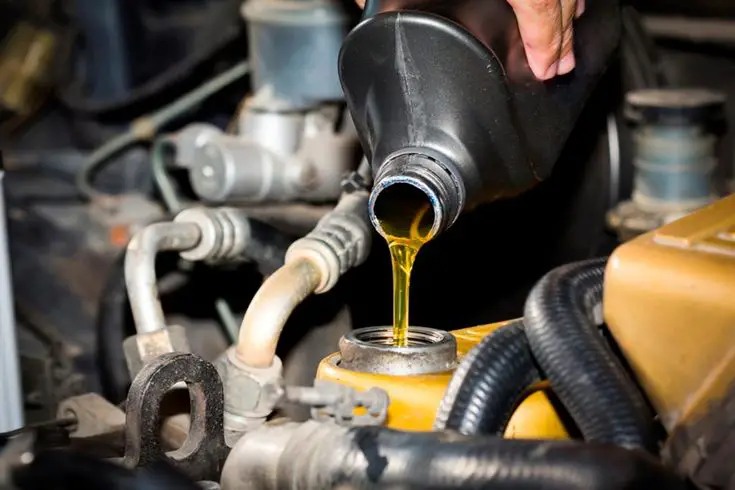
When you detect a ticking noise during acceleration or at idle, you should check the engine oil and add engine oil if necessary or replace the oil if it is degraded. If the oil condition is the color of coffee with milk, you need to take the car to the garage for immediate inspection.
It is very important to ensure your engine has enough oil.
Use the dipstick to check the oil level and determine if you need to add more. If you keep having to add oil, you should check for potential oil leaks. If the cause is due to oil pressure, drivers should go to specialized repair shops to check the oil pump or the part that provides oil pressure inside the engine. And don’t forget to use the correct type of oil, as viscosity is essential. Refer to your owner’s manual for specifications.
Timing Chain or Belt
A ticking noise in your engine can be caused by problems with the timing chain or belt. These parts synchronize the movement of the crankshaft and camshaft, thus ensuring correct valve timing for optimal engine performance. Over time, timing chains and belts can wear out or stretch, causing a loss of tension and a ticking or rattling noise.
If you suspect a problem with your timing chain or belt, replacing these crucial parts is inevitable. Replacing the timing chain or belt is a complex procedure that requires specialized tools and expertise. Therefore, it is recommended to seek professional help immediately.
Warm Up the Engine
Let your engine warm up completely to allow the oil to circulate normally. The engine must reach its normal operating temperature. Let the engine warm up completely if you only hear a ticking noise at startup.
If after changing the oil and applying the above solutions, the ticking noise still doesn’t go away, you may need to replace engine parts such as the camshaft, crankshaft, valves, or connecting rod bearings.
Furthermore, you should also ensure you change the engine oil regularly and periodically. Make sure to change to the correct type of engine oil to avoid creating sludge in the engine or causing unexpected knocking.
Clicking noises from vehicles are usually too difficult to detect. That’s why auto mechanics often require a road test to listen for and detect the source of the noise. If you can find the exact source of the strange noise yourself but need to intervene deeper inside the engine, it’s best to take your car to a reputable address for car maintenance and servicing.