
What does it mean?
This is a generic powertrain diagnostic trouble code (DTC) and generally applies to OBD-II vehicles. Vehicle brands may include, but are not limited to, Saturn, Land Rover, Porsche, Vauxhall, Dodge, Chrysler, Mazda, Mitsubishi, Chevy, Honda, Acura, Isuzu, Ford, etc.
The ECM (Engine Control Module) is responsible for monitoring, controlling, and adjusting many sensors and systems involved in your vehicle’s operation, as well as detecting faults within those systems and circuits. One of the systems your ECM monitors and correlates with desired values is the intake manifold tuning valve.
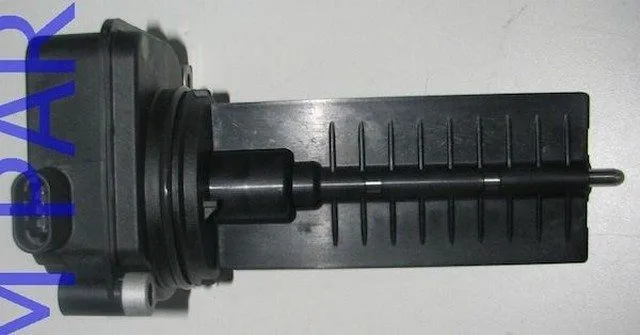
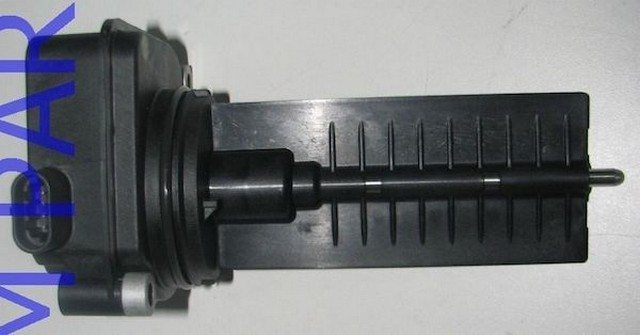
I’ve heard many names for this component, but a “flapper” valve often comes up in the repair world. The intake manifold tuning valve has several possible purposes to aid your engine’s performance and operation. One is to regulate pressures between intake plenums. Another may be to redirect intake air to a separate set of intake runners (or combination) to change your engine’s airflow and potentially its performance. In my experience, the valve itself is mostly made of plastic, so you can imagine possible malfunctions given the notoriously high temperatures in the engine compartment.
P0664 is the fault code identified as “Intake Manifold Tuning Valve Control Circuit Low, Bank 2” and indicates that the ECM has detected an electrical reading that is too low from the valve on bank #2. Bank #2 is the side of the engine that does not contain cylinder #1.
This code can be triggered by a mechanical or electrical fault with the intake manifold tuning valve. If you are in an area prone to extreme cold, it may cause the valve to malfunction and not rotate properly as the ECM intends.
A GM intake manifold tuning valve
P0664 Intake Manifold Tuning Valve
How severe is this DTC?
Depending on the actual issue related to your case, it can range from nothing to worry about to something quite serious and potentially damaging to your engine’s internal components. It would be a good idea to err on the side of caution when dealing with mechanical parts like the intake manifold tuning valve. The possibility of unwanted parts entering the engine combustion chamber exists, so keep that in mind if you’re considering postponing this to another day.
What are some of the symptoms of the code?
Symptoms of a P0664 diagnostic trouble code may include:
Poor engine performance
Rattling noise from the engine compartment
Reduced fuel economy
Possible misfires on startup
Reduced engine power
Altered power range
Cold start issues
What are some common causes of the code?
Causes
of this P0664 engine code may include:
Faulty intake manifold tuning valve (runner)
Broken valve parts
Stuck valve
Extreme cold
Wiring issue (e.g., chafed, cracked, corroded, etc.)
Damaged electrical connector
ECM problem
Valve contamination
What are the diagnostic and troubleshooting steps for P0664?
The first step in the troubleshooting process for any malfunction is to check Technical Service Bulletins (TSBs) for known issues with the specific vehicle.
Advanced diagnostic steps become very vehicle-specific and may require the appropriate advanced equipment and knowledge to perform accurately. We include the basic steps below but refer to a repair guide specific to the year/make/model/powertrain for steps tailored to your vehicle.
Basic Step #1
Whenever a DTC (Diagnostic Trouble Code) is triggered by the ECM, as a DIYer, it’s a good idea to clear all codes to see if it returns immediately. If not, take the vehicle on long and multiple test drives to see if it becomes active again after a few drive cycles. If it reactivates, proceed with diagnosing the active code(s).
Basic Step #2
First, you’ll need to locate the intake manifold tuning valve. This can be tricky because they are often mounted inside the intake manifold itself. That said, the valve’s connector should be fairly accessible, so inspect it visually, look for broken tabs, melted plastic, etc., to ensure it’s making a proper electrical connection.
Basic Step #3
Depending on your OBD2 code reader/scan tool’s capabilities, you may be able to operate the valve electronically with it. If you find this option, it can be a good way to determine if the valve is functioning through its full range. Additionally, if you’re experiencing rattling noises from your intake, this would be a good way to determine if the intake manifold tuning valve is responsible. If you hear abnormal rattling from the intake while adjusting the sensor with your scanner, it’s likely there’s an obstruction or the valve itself is stuck for some reason.
At this point, it would be a good idea to remove the valve and inspect it physically, as well as inside the intake manifold for any obstructions. If there are no obstructions and the clicking is present, you might try replacing the valve—it’s probably the issue. Keep in mind that in some cases, this isn’t an easy task, so do your research beforehand to avoid ending up without the right parts, tools, etc.
NOTE: Always consult the manufacturer’s technical data before performing any repairs or diagnostics on your vehicle.
Basic Step #4
Make sure not to forget to inspect the wiring harness involved with the tuning valve. These wiring harnesses can be routed through engine parts and other high-heat areas, not to mention potential chafing/cracking related to engine vibrations.
Basic Step #5
If you’ve tried everything, take a look at your ECM (Engine Control Module), especially if multiple unrelated codes are currently active or activating and deactivating intermittently.
This article is strictly for informational purposes only, and technical data and service bulletins for your specific vehicle should always take precedence.