
What does it mean?
This code is a generic powertrain code. It is considered generic because it applies to all makes and models of vehicles (1996 and newer), although specific repair steps may vary slightly by model.
The keep-alive memory is the memory stored in the Powertrain Control Module (PCM) regarding driving cycles. This memory is constantly evolving based on driving inputs and sensor inputs. When you disconnect your battery, this memory is erased, and the computer goes into a “dumb” mode because it uses built-in settings to operate the engine rather than the learned values based on inputs and driving habits as well as what the engine sensors detect.
This is different from “limp” mode because the PCM does not detect a fault. The PCM memory has not adapted to the required engine parameters. As mentioned, these are NOT the programmed values but the constantly evolving values that contribute to fuel economy, proper operation, easier starts, etc. These data are an adaptive formula used by the PCM to improve engine performance, fuel changes, fuel trims, etc.
Other internal control module error codes include:
P0601 Internal Control Module Memory Checksum Error
P0602 Internal Control Module Programming Error
P0604 Internal Control Module Random Access Memory (RAM) Error
P0605 Internal Control Module Read Only Memory (ROM) Error
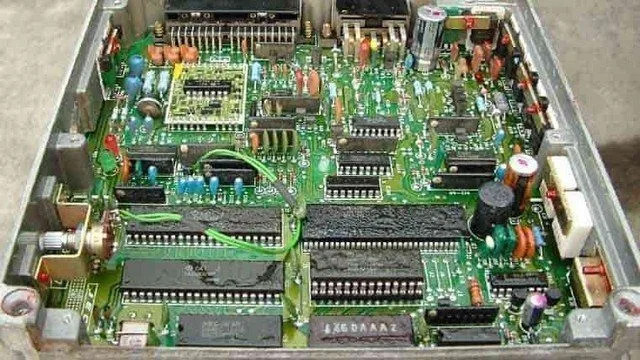
Photo of a PCM with the cover removed:

Symptoms
Symptoms of a DTC P0603 will include the MIL (Malfunction Indicator Lamp) illuminating, although there may be other symptoms, including but not limited to engine stalling, various warning lights on the dashboard, module communication codes, no-start conditions.
Causes
Potential causes may include:
Corrosion of battery terminals or loose connections
Keep Alive Power (KAPWR) circuit wiring routing
Open wire in the KAPWR circuit
Damaged PCM, water intrusion/internal fault
Charging system failure
Ignition system fault causing secondary ignition voltage interference
Internal PCM programming error
Possible Solutions
This is a fairly difficult issue to isolate. In my experience, it is both a wiring issue and a PCM issue. It could be interference from a component that fried the PCM.
Inspect the battery cables. It could be as simple as a heavily corroded terminal or a loose connection. Also check all grounds and connections at the fuse box and PCM.
Check the charging system. Run the car with the alternator disconnected. There may be interference from the alternator. Does the code return with the alternator disconnected?
Inspect wiring harnesses that run near the ignition system. Interference from these components can be “projected” into the circuit. Also check spark plug wires, the coil for cracks, or anywhere ignition voltage might “leak.”
Using a voltmeter, check the PCM power circuits. Monitor voltages while wiggling, bending, and shaking the harness around the engine and fuse boxes.
In many vehicles, the PCM is located in an isolated spot. This means there is a chance that water may have entered the PCM housing. Also a chance of vibration transfer. If no fault is found, there may be an issue with the PCM itself.
Finally, if your vehicle has an aftermarket chip or program, this could be the problem. Additionally, many manufacturers constantly update the software available for your computer; the code may be fixed with a reflash.