
Code P060D: Accelerator Pedal Position (APP) Sensor Circuit Performance Error
1. Definition and Context
- Meaning:
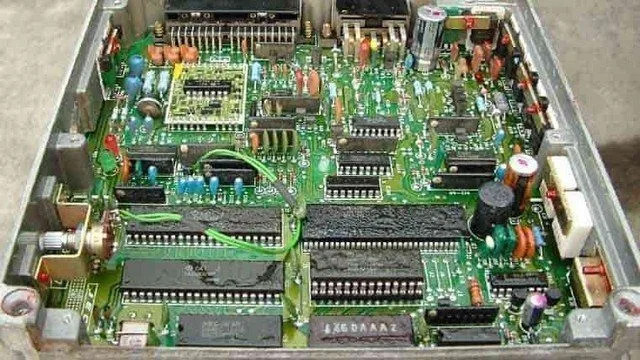
Code P060D indicates an internal PCM (Powertrain Control Module) error related to the Accelerator Pedal Position (APP) sensor circuit. This code applies exclusively to vehicles equipped with a Drive-By-Wire (DBW) throttle system. - Affected Brands:
All OBD-II vehicles (Chevrolet, Jeep, Toyota, Ford, GMC, Land Rover, etc.). - Severity:
Critical – Risk of sudden acceleration limitation, stalling, or cruise control malfunctions.
2. DBW System Operation
- Key Components:
- APP Sensors (2 or more): Measure pedal position.
- TPS (Throttle Position) Sensors: Verify actual throttle opening.
- PCM: Compares APP and TPS signals to adjust the throttle via an electric actuator.
- Self-Tests:
- At startup, the PCM and CAN network verify signal consistency between sensors and controllers (TCM, TCSM, etc.).
- A discrepancy between signals triggers code P060D.
3. Common Symptoms
- Limited or stuck acceleration.
- Unstable idle or stalling.
- Harsh gear shifts (automatic transmission).
- Inactive cruise control.
- Illuminated check engine light (MIL).
- Limp Mode activated.
4. Possible Causes
- Electrical/Electronic Failures:
- Faulty APP or TPS sensor.
- Short circuit or open circuit in wiring.
- Corroded or loose connectors.
- PCM ground issues.
- Controller Problems:
- Faulty PCM or programming error.
- Failed DBW actuator motor.
- CAN network malfunction.
5. Diagnostic Procedures
Preliminary Steps
- Read Codes and Data:
- Use an OBD-II scanner to retrieve stored codes (prioritize ECM/PCM/TCM codes).
- Note freeze frame data.
- Check Technical Service Bulletins (TSBs):
- Search for known manufacturer fixes.
Sensor and Circuit Tests
- APP/TPS Sensors:
- Measure resistance and voltage with a multimeter (follow manufacturer specifications).
- Verify signal consistency with an oscilloscope.
- Wiring and Connectors:
- Visually inspect for corrosion, damage, or disconnection.
- Test for continuity and absence of short circuits.
PCM and Power Supply Check
- Power and Ground:
- Test fuses, relays, and ground junctions with a multimeter.
- Check for water infiltration or physical damage to the PCM.
- Reprogramming:
- If the PCM is suspected, reprogramming (via dealership or specialized tool) is often required.
6. Common Mistakes to Avoid
- Replacing the PCM without complete diagnosis: The problem may stem from a sensor or circuit.
- Ignoring related codes: A P0120 (TPS) or P2122 (APP) code should be addressed first.
- Neglecting ground: Poor chassis/engine ground can distort readings.
7. Key Recommendations
- Required Equipment:
- High-end scanner (with CAN data reading capability).
- Oscilloscope for real-time signal analysis.
- Vehicle technical documentation (wiring diagrams, reference values).
- Professional Intervention:
- PCM reprogramming requires specialized equipment (e.g., OEM type).
- If in doubt, entrust the diagnosis to a certified technician.
In summary: Code P060D signals a critical problem in the communication between the PCM, APP/TPS sensors, and the CAN network. A methodical approach (electrical tests, TSB verification, reprogramming) is essential to avoid costly repairs or safety risks.