
What Does It Mean?
This generic powertrain diagnostic trouble code (DTC) generally applies to all OBD-II equipped vehicles with a power steering pressure sensor. This may include, but is not limited to, Infiniti, Nissan, Toyota, Lexus, Mazda, Dodge, Chrysler, Jeep, Kia, etc. vehicles.
Before the invention of hydraulic and electric power steering systems, manufacturers used an unassisted rack and pinion steering system. This made low-speed steering extremely difficult and inefficient.
For this reason, we invented the power steering system. Generally, a hydraulic assist system will include a belt-driven power steering pump, a rack and pinion/steering gearbox, and various hoses/lines and sensors. The Engine Control Module (ECM) or Powertrain Control Module (PCM) works in conjunction with the power steering pressure sensor to monitor the pressure in the system and adjust it accordingly.
The ECM illuminates the check engine light with P0552 and related codes when it recognizes one or more conditions outside a specific desired range in the power steering pressure sensor circuit. Most of the time, I would say this code is set by the ECM due to an electrical issue, but sometimes, mechanical problems can be the cause.
P0552 Power Steering Pressure Sensor Circuit Low code is set when the ECM/PCM monitors an electrical value lower than desired in the input circuit. This is one of five related codes, which are P0550, P0551, P0552, P0553, and P0554.
How severe is this DTC?
Since most likely, your power steering system could completely fail and you could still drive your car, the severity here is set to low. Obviously, this is a foolish idea, any problem left long enough will cost you more in the long run.
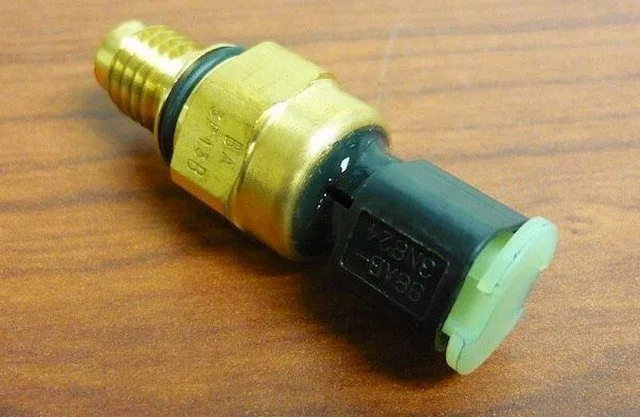
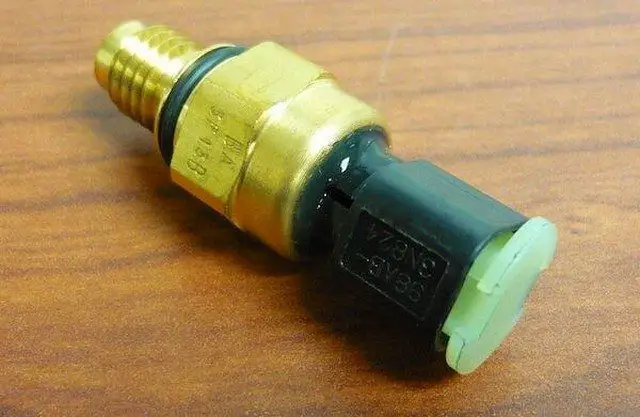
An example of a power steering fluid pressure switch/sensor:
What are some of the symptoms of the code?
Symptoms of a P0552 diagnostic code may include:
Rough idle
Symptoms
of engine stalling
Intermittent power assist when steering (jerky turning)
Vehicle hard to steer
Whining noises
Leaking fluid
Poor handling
What are some of the common causes of the code?
Causes
of this code may include:
Broken or damaged wiring harness
Power steering fluid leak
Faulty fuse/relay
Faulty power steering pressure sensor
ECM problem
Pin/connector issue. (e.g., corrosion, melting, broken locking tab, etc.)
What are the troubleshooting steps for P0552?
Be sure to check the Technical Service Bulletins (TSBs) for your vehicle. Access to a known fix can save you time and money when diagnosing.
Tools
Some of the things you might need when diagnosing or repairing power steering circuits and systems:
OBD code reader
Power steering fluid
Drain pan
Multimeter
Basic socket set
Ratchet and wrench sets
Basic screwdriver set
Battery terminal cleaner
Service manual
Safety Tips
Let the engine cool down
Chock the wheels
Wear PPE (Personal Protective Equipment)
NOTE: ALWAYS check and record the integrity of your battery and charging system before proceeding with troubleshooting.
Basic Step #1
Always start simple. Check your power steering fluid level and top it off if necessary. Check your parking spot, any signs of a leak? If so, investigate further. If the fluid is low, it’s going somewhere, so be sure to fix any mechanical leak before proceeding with any electrical diagnosis. Look closely at the sensor itself, I have personally seen these sensors leak through the sensor itself, so make sure it is dry and there are no obvious signs of damage and/or leaks.
NOTE: These systems use high pressures that could cause injury, so be careful, pinhole leaks are dangerous and pose a serious hazard. If you are not familiar with the dangers of working with hydraulic systems, please take your vehicle to a reputable repair center.
Basic Step #2
To rule out the sensor, you will need to test it. Refer to your service manual for the necessary specifications. Usually, the sensor itself is mounted on a power steering pressure line. Most of the time, these are hard aluminum/braided rubber lines and are accessible under the hood.
NOTE: A common leak is where the rubber meets the hard pressure line, sometimes it separates and causes a leak that is hard to find.
Basic Tip #3
Locate the electrical connector on the pressure sensor. Inspect for any oil residue/soaking. If the connector is soaked in oil, the leak is obviously a problem but the oil must be cleaned before reconnecting. A connector showing signs of melting and/or corrosion should be repaired.
NOTE: Be sure to disconnect the battery before performing any electrical repairs.
Basic Step #4
Check for physical damage. In this case, I would say the sensor is exposed to harsh conditions. If the lines are not properly secured, the sensor can rub against something and over time can cause some kind of electrical issue. Secure any loose lines, especially the one with the sensor mounted on it.
Basic Step #5
You may be able to check the integrity of the power steering pressure sensor circuit(s). To rule out pretty much any issue with your wiring harness, you can disconnect the circuit from both the sensor and the ECM. Using your multimeter, refer to your service manual and verify that all desired values are checked. If everything seems okay up to this point, I recommend taking the vehicle to your reputable repair center.