
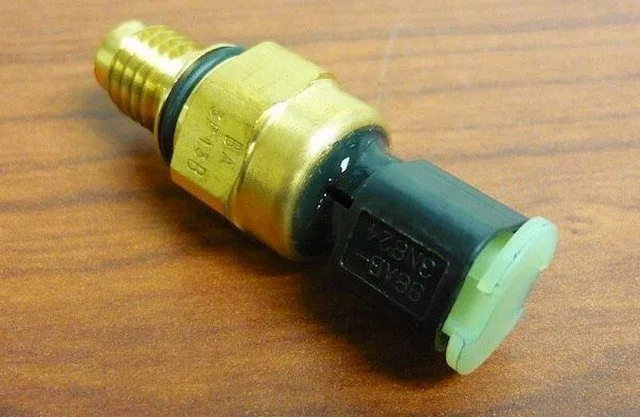
🏎️ Power Steering Pressure Sensor Problem (DTC Code P0550)
❓ What Does This Mean?
Diagnostic code P0550 is a generic OBD-II code that applies to vehicles equipped with a power steering pressure sensor. It is often found on brands like Infiniti, Nissan, Toyota, Lexus, Mazda, Dodge, Chrysler, Jeep, Kia, etc.
📌 Role of the Power Steering Pressure Sensor
Before the invention of power steering systems, vehicles used non-assisted rack and pinion steering, which made low-speed driving difficult.
Hydraulic or electric power steering systems now allow pressure to be adjusted according to needs. The Engine Control Module (ECM) or Powertrain Control Module (PCM) monitors the pressure and adjusts it accordingly using the power steering pressure sensor.
When a problem is detected in the sensor circuit, the ECM illuminates the check engine light and records a Diagnostic Trouble Code (DTC).
🛑 Severity of Code P0550
The power steering system may continue to function, but prolonged failure can complicate driving and increase repair costs.
⚠️ Symptoms of Code P0550
🔴 Irregular idle
🔴 Engine stalling
🔴 Intermittent steering (jerky turning)
🔴 Difficulty turning the steering wheel
🔴 Groaning noises when steering
🔴 Power steering fluid leak
🔴 Poor handling
🔍 Possible Causes of Code P0550
🔧 Broken or damaged wiring harness
🔧 Power steering fluid leak
🔧 Faulty fuse or relay
🔧 Faulty power steering pressure sensor
🔧 Problem with the ECM
🔧 Damaged connector or pin (corrosion, melting, broken locking tab, etc.)
🛠️ Diagnostic and Repair Steps
✅ 1. Check Technical Service Bulletins (TSBs)
Before any intervention, consult the TSBs to see if an official fix exists for your vehicle.
✅ 2. Recommended Tools
- 🔧 OBD-II code reader
- 🛢 Power steering fluid
- 🔬 Multimeter
- 🔩 Socket and ratchet set
- 🔌 Battery terminal cleaner
- 📖 Vehicle service manual
✅ 3. Basic Checks
✔ Check the power steering fluid level
- Top up if necessary.
- Look under the vehicle for possible leaks.
✔ Inspect the power steering pressure sensor
- Ensure there is no leak at the sensor.
- Check that it is not damaged or worn.
✔ Inspect the electrical connector
- Check for signs of corrosion, oil, or melting.
- Clean the connector before reconnecting it.
🚨 WARNING: These systems operate under high pressure. A pressurized leak can be dangerous. If you are unsure, consult a professional mechanic.
✅ 4. Test the Pressure Sensor
- Refer to the service manual for test values.
- Locate the pressure sensor mounted on the high-pressure line.
- Test the sensor using a multimeter to verify if it is functioning correctly.
✅ 5. Check the Electrical Circuit
- Disconnect the battery before any electrical repair.
- Disconnect the sensor and ECM, then test the circuits with a multimeter.
- If everything seems correct, the problem may be related to the sensor or ECM.
If the problem persists after these checks, it is recommended to take the vehicle to a specialized workshop.
🚨 Safety Tips
✅ Let the engine cool down before any intervention.
✅ Block the wheels to prevent unintended movement.
✅ Wear personal protective equipment (PPE).
✅ Do not handle hydraulic circuits under pressure.