
What Does It Mean?
This is a generic powertrain diagnostic trouble code (DTC) and generally applies to OBD-II vehicles. Vehicle makes may include, but are not limited to, BMW, Mini, Jeep, Chrysler, Ford, etc.
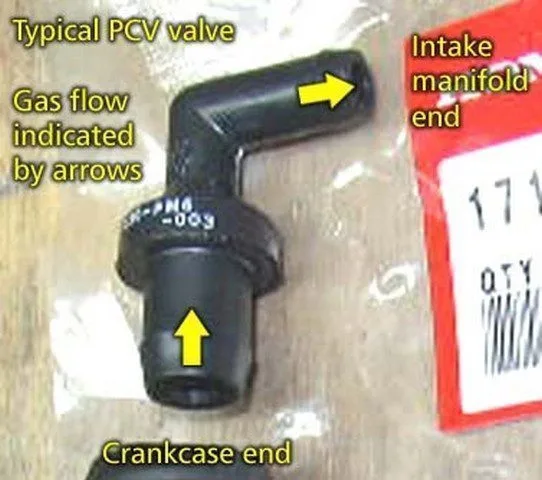
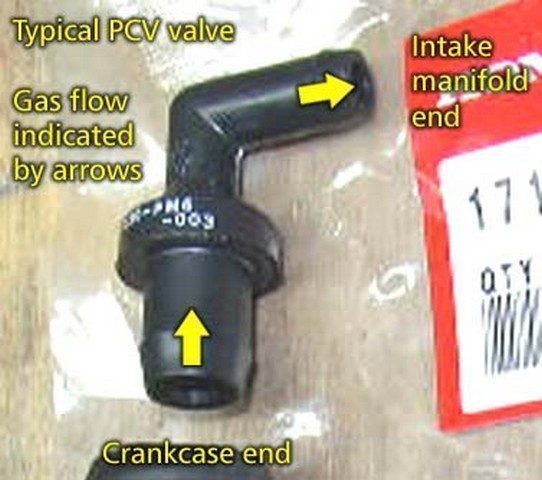
The PCV (Positive Crankcase Ventilation) is technically a system designed to remove harmful vapors from the engine and also to prevent said vapors from being ejected into the atmosphere. It is also capable of doing so by using the manifold vacuum to draw the vapors from the crankcase into the intake manifold. The crankcase vapors are channeled through the combustion chambers with the air-fuel mixture to be burned. The PCV valve controls the flow within the system, making it an effective ventilation system for the crankcase and also a pollution control device.
This PCV system has become standard for all new vehicles since the 1960s, and a variety of systems have been created over the years, but its main function remains the same. There are two main types of PCV systems, which are open and closed systems. Technically, both operate similarly; however, since the use of the closed system in 1968, it has proven more effective for atmospheric pollution control.
Using a heating system/element, the PCV system is capable of removing moisture, which is considered one of the main contaminants in the engine. When the engine is running, it generally creates heat capable of burning off most of the moisture in the system. However, when it cools down, that’s when condensation occurs. There are specific additives in engine oils that suspend the water molecule caused by moisture. However, in time, it eventually exceeds its capacity, and the water corrodes the metal parts of the engine, damaging it to some extent.
The ECM (Engine Control Module) is responsible for monitoring and adjusting the positive crankcase ventilation heater control circuit. If the P053B code is active, the ECM has detected a low voltage electrical condition in the PCV heater control circuit.
Example of a PCV Valve:
How Severe Is This DTC?
In this case, it is of medium to high severity, which is why addressing the issue is crucial, as once the PCV system fails due to sludge buildup and oil leaks, you can damage your engine to some extent. A clogged PCV valve due to sludge will cause many other possible engine problems. Pressure will start to build up, which could lead to the failure of gaskets and the oil seal.
What Are Some of the Symptoms of the Code?
Symptoms of a P053B diagnostic code may include:
Excessive oil consumption
Sludge in the engine oil
Engine misfires
Reduced fuel economy
Engine oil leak
A faulty PCV valve can cause noises such as whistling, whining, or other faint sounds.
What Are Some of the Common Causes of the Code?
Causes
of this P053B positive crankcase ventilation code may include:
PCV valve stuck open
Wiring issue causing an open/short/out-of-range condition in the positive crankcase ventilation heater control circuit
ECM (Engine Control Module) problem (i.e., internal short, open, etc.)
Contaminated inline PCV air filter (possibly internal)
Oil contamination on the electrical connector and/or harnesses causing an electrical connection issue
Faulty PCV heater
What Are the Diagnostic and Troubleshooting Steps for P053B?
The first step in the troubleshooting process for any malfunction is to check the Technical Service Bulletins (TSB) for known issues with the specific vehicle.
Advanced diagnostic steps become very vehicle-specific and may require the appropriate equipment and advanced knowledge to operate accurately. We include the basic steps below but refer to a repair guide specific to the year/make/model/powertrain for steps tailored to your vehicle.
Basic Step #1
There are several ways to check if the PCV valve is working correctly, and you will decide which method is easiest for you; however, it is important that the engine is idling regardless of the method you use. Here are two methods to check if the valve is functional:
Method 1: Loosen the PCV valve from the valve cover with the hose still intact, then carefully place your finger over the open end of the hose. If your valve is working properly, you will feel a strong suction sensation. Then try shaking the valve, and if it rattles, it means there is nothing obstructing its path. However, if there is no rattling noise coming from it, it means it has been damaged.
Method 2: Remove the oil filler cap from the valve corner, then place a piece of stiff paper over the top of the opening. The paper should be sucked against the hole within seconds if your valve is working correctly.
If you find that the valve is not working properly, you should not immediately buy a replacement. Instead, try cleaning it using a bit of carburetor cleaner, sparingly, especially in heavily contaminated areas. Be sure to check for discoloration and/or gummy deposits, which would be a sign that the valve is well cleaned.
Basic Step #2
Check the harness involved in the PCV system circuit(s). Since PCV systems are subject to the presence of oil in the system, one of the possible causes is oil contamination. If oil is leaking onto the harnesses, wires, and/or connectors, it can cause electrical problems, as oil can and will continue to eat away at the important wire insulation. So, if you see anything of this nature, be sure to repair it properly to ensure a good electrical connection in the positive crankcase ventilation heater control circuit.
This article is strictly for informational purposes only, and technical data and service bulletins for your specific vehicle should always take priority.