
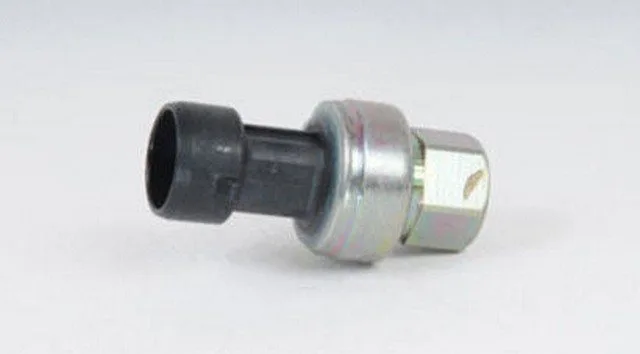
Explanation of Code P0530: “A/C Refrigerant Pressure Sensor Circuit Malfunction”
Definition
Code P0530 indicates a problem in the air conditioning (A/C) refrigerant pressure sensor circuit. This sensor transmits the system pressure to the control module (BCM, ECC, or ECM) to regulate the A/C compressor and maintain stable cabin temperatures.
Severity
- Level: 🟠 Moderate (the A/C system may not work, but the vehicle remains drivable).
- Urgency:
- Risk of refrigerant leak (dangerous for the environment and health).
- Compressor damage if the system runs dry.
Symptoms
- 🌡️ Ineffective air conditioning (little or no cold air).
- 🔄 Erratic temperatures (random hot/cold).
- ⚠️ A/C compressor not engaging.
- 💡 Flashing A/C light or illuminated check engine light (MIL).
Main Causes
- Faulty A/C pressure sensor:
- Damaged, corroded sensor, or leak at the connection.
- Electrical issue:
- Cut wires, short circuit, corroded connector.
- Incorrect refrigerant level:
- Leak in the system (level too low) or overcharge.
- ECC/BCM module failure:
- Software error or failure of the climate control module.
Diagnostic Procedure
Step 1: Check Technical Service Bulletins (TSB)
- Consult TSBs for your model (e.g., TSB 1234-56 for certain Honda Civics with faulty sensors).
Step 2: Read Live Data
- Use an OBD2 scanner (e.g., Autel MaxiCOM) to monitor:
- A/C pressure (in psi or kPa).
- Sensor signal (typically 0.5V to 4.5V).
- Compare with manufacturer specifications.
Step 3: Test the Pressure Sensor
- Electrical test (3-wire sensor):
- Wire 1: 5V power (measure with a multimeter).
- Wire 2: Ground (check continuity).
- Wire 3: Signal (should vary with pressure).
Step 4: Check Refrigerant Level
- Professional method: Use A/C gauges to measure pressure (⚠️ Do not handle refrigerant without proper equipment!).
- Typical values:
- Low pressure: 25-35 psi.
- High pressure: 150-250 psi.
Step 5: Inspect Wiring
- Check sensor wires for:
- Cuts, chafing (e.g., near moving parts).
- Corrosion (clean with contact spray).
Solutions & Costs
| Problem | Solution | Average Cost |
|---|---|---|
| Faulty A/C sensor | Replace sensor | €30 – €150 |
| Refrigerant leak | Repair leak + recharge | €100 – €400 |
| Damaged wiring | Repair or replace harness | €50 – €200 |
| BCM/ECC reprogramming | Software update | €80 – €250 |
Mistakes to Avoid
- ❌ Recharging refrigerant without checking for leaks: Risk of overpressure and compressor damage.
- ❌ Ignoring related codes (e.g., P0531, P0532): They may indicate a common cause.
Practical Case
- Problem: Code P0530 on a Renault Clio IV with ineffective A/C.
- Diagnosis: Corroded A/C pressure sensor (leak at the connector).
- Solution: Sensor replacement (€45) + connector cleaning.
Pro Tips
- Use a UV dye kit to detect refrigerant leaks.
- If the compressor doesn’t engage, test its relay before condemning the sensor.
Safety Warning
- ⚠️ Refrigerant is hazardous: Wear goggles and gloves. Consult a professional if you are not trained.
- ⚠️ Do not disassemble the A/C system without a refrigerant recovery tool.
Quick Summary
- Check TSBs and read OBD2 data.
- Test the sensor and wiring.
- Check refrigerant level with gauges.
- Replace the sensor or repair the leak if necessary.
If the problem persists, consult a certified A/C specialist to avoid refrigerant-related risks! 🔧❄️