
What Does It Mean?
This is a generic powertrain diagnostic trouble code (DTC) and generally applies to OBD-II vehicles. Vehicle makes may include, but are not limited to, Ford, Dodge, Ram, Jeep, Fiat, Nissan, etc.
Among the countless sensors that the ECM (Engine Control Module) must monitor and adjust to keep your engine running, the crankcase pressure sensor is responsible for providing the ECM with crankcase pressure values to maintain a healthy atmosphere inside.
As you can imagine, there is an abundance of fumes inside the engine, especially during its operation, so it is very important for the ECM to have an accurate crankcase pressure value. It needs this not only to ensure that the pressure is not too high and potentially damage gaskets and seals, but it also needs this value to recycle these combustible fumes back into the engine via the PCV (Positive Crankcase Ventilation) system.
Unused, burnable crankcase vapors are routed into the intake for the engine to burn. In turn, collectively improving emissions and your fuel economy. That said, it certainly has a valuable purpose for the engine and ECM, so be sure to address any issues accordingly here. As mentioned, with this fault, you may be susceptible to gasket failure, o-ring leaks, shaft seal leaks, etc. As the sensor’s name implies, it is most often mounted on the crankcase.
Code P051D Engine Crankcase Pressure Sensor Circuit High and related codes are triggered by the ECM (Engine Control Module) when it monitors one or more electrical values operating outside the desired range in the engine crankcase pressure sensor circuit.
When your instrument cluster is illuminated with the P051D Crankcase Pressure Sensor Circuit High code, the ECM (Engine Control Module) is detecting a high voltage condition in the crankcase pressure sensor circuit.
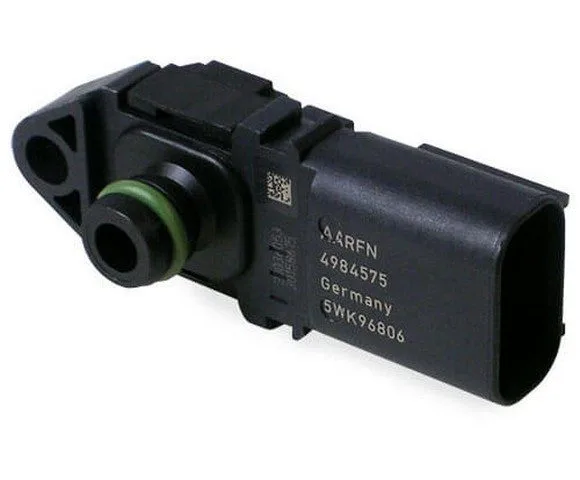
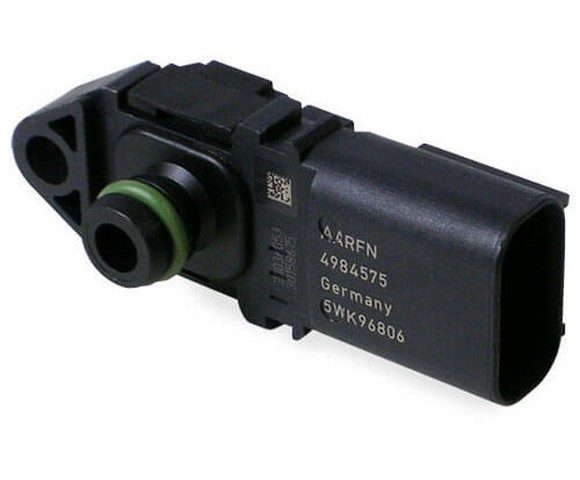
An example of a crankcase pressure sensor (this one for a Cummins engine):
How Severe Is This DTC?
I would say that, in the grand scheme of things, this fault would be considered moderate to low severity. Basically, upon failure, you are not at risk of immediate, drastic additional damage. I say this to emphasize the fact that it still needs to be addressed as soon as possible. Earlier, I mentioned some of the potential issues if neglected, so keep those in mind.
What Are Some of the Symptoms of the Code?
Symptoms of a P051D diagnostic trouble code may include:
Reduced fuel economy
Leaking gaskets
Fuel smell
CEL (Check Engine Light) illuminated
Engine running abnormally
Sludge in the oil
Engine smoking black soot
High/Low internal crankcase pressures
What Are Some of the Common Causes of the Code?
Causes
of this P051D engine code may include:
Faulty crankcase pressure sensor
Internal electrical issue in the sensor
ECM problem
Faulty PCV (Positive Crankcase Ventilation) valve
PCV issue (cracked runners/tubes, disconnected lines, chafed lines, etc.)
Clogged PCV system
Sludgy oil (presence of moisture)
Water intrusion
Engine overfilled with oil
What Are the Diagnostic and Troubleshooting Steps for P051D?
The first step in the troubleshooting process for any malfunction is to check the Technical Service Bulletins (TSBs) for known issues with the specific vehicle.
For example, we are aware of a known issue with some Ford EcoBoost vehicles and some Dodge/Ram vehicles that have TSBs applicable to this DTC and/or related codes.
Advanced diagnostic steps become very vehicle-specific and may require the appropriate advanced equipment and knowledge to perform accurately. We include the basic steps below but refer to a repair guide specific to your vehicle’s year/make/model/powertrain for vehicle-specific steps.
Basic Step #1
First thing, for this fault, I would open the oil cap on top of the engine (this varies), to inspect for any obvious signs of sludge buildup. Sludge can be caused by something as simple as a lack of oil changes or by intervals longer than recommended. Speaking personally here, for conventional oil, I don’t go more than 5,000 km. For synthetics, I go about 8,000 km, sometimes 10,000 km. This varies by manufacturer; that said, from experience, I have seen manufacturers set longer intervals than are generally recommended for many different reasons. That being said, I err on the side of caution and encourage you to do so as well. A PCV (Positive Crankcase Ventilation) issue can also introduce moisture into the system and cause sludge. In any case, ensure your oil is clean and full.
NOTE: Be careful not to overfill the engine with oil. Do not start the engine if this has occurred; drain the oil to bring the level back to an acceptable range.
Basic Step #2
Test the sensor by following the manufacturer-specific desired values from your service manual. This typically involves using your multimeter and testing different values between the pins. Record and compare the results to your specific make and model’s specifications. If anything is out of specification, the crankcase pressure sensor should be replaced.
Basic Step #3
Since crankcase pressure sensors are usually mounted directly on the engine block (AKA Crankcase), the involved harnesses and wires are routed into crevices and around areas of extreme temperatures (i.e., the exhaust manifold). Be aware of this when visually inspecting the sensor and circuits. Given that these wires and harnesses are exposed to the elements, inspect for hardened/cracked wires or moisture in the harness.
NOTE: The connector must be connected firmly and dry of any oil residue.