
Fault Code P0501: Symptoms, Causes, and Solutions
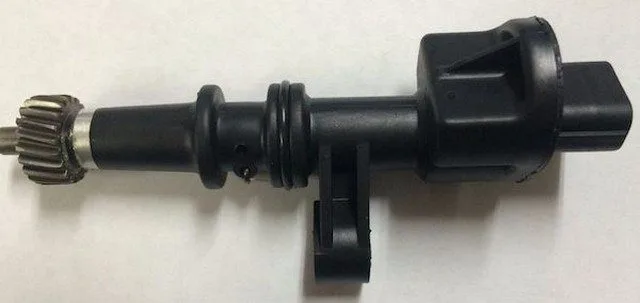
The fault code P0501 indicates a malfunction in your vehicle’s Vehicle Speed Sensor (VSS). This code means the speed measured by the VSS is outside the normal range (too high or too low). This sensor is crucial for the PCM/ECM (the engine control module), which regulates key systems like the transmission, anti-lock brakes (ABS), or the rev limiter. Decoding the problem, symptoms, and solutions.
How the Vehicle Speed Sensor (VSS) Works
The VSS sensor is an electromagnetic component located near the transmission. It uses a reluctor ring attached to the output shaft to measure speed. When the notches on the ring pass in front of the sensor, electrical pulses are generated and sent to the PCM. These signals determine the vehicle’s speed and influence systems such as:
- The speedometer and odometer.
- Gear shifts (automatic transmission).
- The ABS system and cruise control.
Symptoms of Code P0501
Unlike code P0500, the error code P0501 may not trigger the check engine light (MIL). Common signs include:
- 🚨 Malfunctioning speedometer (erratic display or stopped).
- 🚨 Transmission issues (harsh or delayed gear changes).
- 🚨 ABS malfunctions (warning light on or loss of effectiveness).
- 🚨 Rev limiter activated (reduced engine power).
- 🚨 Odometer stuck (mileage not recorded).
Possible Causes of Code P0501
Several factors can trigger this fault:
- Faulty VSS sensor (wear, dirt, or internal failure).
- Damaged wiring (cut wires, corroded connectors, or short circuits).
- Damaged reluctor ring (cracks, clogged notches).
- Unsuitable tires (non-standard size, affecting PCM calculations).
Diagnosing and Repairing Code P0501
Step 1: Check Technical Service Bulletins
Consult your manufacturer’s Technical Service Bulletins (TSB) (e.g., Toyota, Ford). Some models have known issues related to the VSS, with specific repair procedures.
Step 2: Inspect Wiring and Connectors
- Locate the VSS (transmission, rear axle, or wheel hub).
- Look for frayed wires, melted insulation, or corrosion on the connectors.
Step 3: Test the VSS Sensor
- Using a multimeter, measure the sensor’s voltage and resistance (refer to the repair manual).
- Compare the values with those recommended by the manufacturer.
Step 4: Check the Reluctor Ring
- Clean the ring with a lint-free cloth.
- Ensure there are no debris or deformations blocking rotation.
Step 5: Replace the VSS Sensor
If tests fail, install a new speed sensor. Calibrate it if necessary (e.g., after changing tires).
Related Error Codes
- P0500: General VSS failure.
- P0502: VSS signal too low (short circuit).
- P0503: VSS signal unstable (intermittent).
Conclusion
A fault code P0501 should not be ignored, as it affects safety (ABS, braking) and vehicle performance. By following these steps, you can quickly identify the source of the problem: faulty sensor, damaged wiring, or unsuitable tires. If the diagnosis is complex, consult a certified mechanic to avoid costly repairs.