
What does it mean?
This generic powertrain diagnostic trouble code can generally apply to all OBD-II equipped vehicles, but appears more frequently in certain Chrysler, Dodge, Jeep, Mitsubishi, and Toyota vehicles.
Although generic, the exact repair steps may vary depending on the year, make, model, and powertrain configuration.
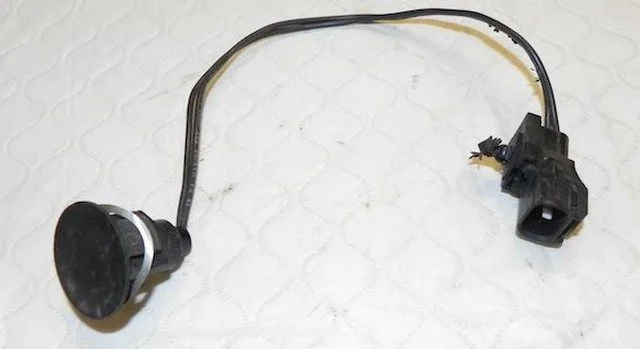
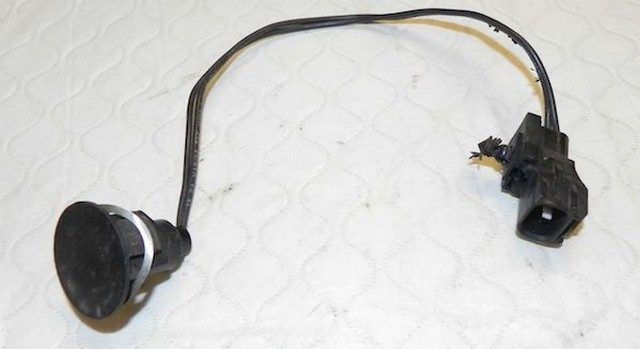
The Battery Temperature Sensor (BTS) is typically located near the battery/mounted inside the PCM (Powertrain Control Module). The BTS sensor converts the temperature of the air surrounding the battery into an electrical signal for the Powertrain Control Module (PCM).
The PCM receives this voltage signal to determine the voltage the battery will receive during battery charging based on localized temperatures. This code is set if this input does not match the normal engine operating conditions stored in the PCM’s memory, even for a second, as indicated by this diagnostic code. It also examines the voltage signal from the BTS sensor to determine if it is correct at initial key-on.
Code P0515 means that a general malfunction has been detected and could have been set due to mechanical issues (physical damage to the sensor itself, thus causing an electrical failure) or electrical issues (BTS sensor circuit). These cannot be overlooked during the troubleshooting phase, especially when dealing with an intermittent problem.
Troubleshooting steps may vary depending on the manufacturer, BTS sensor type, and wire colors. An example of a battery temperature sensor is shown here:
How severe is this DTC?
The severity in these cases will not be serious. Since these are electrical failures, the PCM can compensate for them adequately.
What are some of the symptoms of the code?
Symptoms of a P0515 trouble code may include:
Malfunction Indicator Lamp (MIL) illuminated
Low charging voltage indicated possible
Charge light illuminated
What are some common causes of the code?
Causes
of this P0515 code may include:
Open in the signal circuit to the BTS sensor – possible
Short to voltage in the signal circuit to the BTS sensor – possible
Short to ground in the BTS sensor signal circuit – possible
Failed BTS sensor – probable
Failed PCM – unlikely
What are the P0515 troubleshooting steps?
A good starting point is always to check the Technical Service Bulletins (TSBs) for your vehicle. Your issue may be a known problem with a known fix released by the manufacturer and can save you time and money when diagnosing.
Next, locate the battery temperature sensor on your vehicle. This sensor is typically located near the battery/mounted inside the PCM. Once located, visually inspect the connector and wiring. Look for chafing, rubbing, bare wires, burns, or melted plastic. Disconnect the connector and carefully inspect the terminals (the metal parts) inside the connector. See if they look burned or have a greenish tint indicating corrosion. Use electrical contact cleaner and a plastic bristle brush if cleaning the terminals is necessary. Let it dry and apply electrical grease where the terminals make contact.
If you have a scan tool, clear the diagnostic codes from memory and see if the P0515 code returns. If not, the connections were likely your problem.
If the P0515 code returns, we will need to test the BTS sensor and its associated circuits. With the key off, disconnect the electrical connector from the BTS sensor. Connect a black wire from the digital voltmeter to the ground terminal at the BTS sensor wiring harness connector. Connect the red wire from the digital voltmeter to the signal terminal at the BTS sensor wiring harness connector. Turn the key to the engine-off position. Check the manufacturer’s specifications; the voltmeter should read 5 volts. If not, repair the signal or ground wire, or replace the PCM.
If the previous test was successful and you continue to get a P0515, this would most likely indicate a faulty BTS sensor, although a faulty PCM cannot be ruled out until the BTS sensor has been replaced. If in doubt, seek assistance from a qualified automotive diagnostician. PCMs must be programmed or calibrated to the vehicle to be installed correctly.