
What Does This Mean?
The diagnostic code P040E is a generic DTC applicable to OBD-II vehicles, including brands such as Mazda, VW, Audi, Mercedes-Benz, Ford, Dodge, Ram, and many others. Although its definition is standard, repair steps may vary depending on the model, year, and engine configuration.
Before the introduction of EGR (Exhaust Gas Recirculation) systems in the 1970s, engines released unburned fuel directly into the atmosphere. Today, to meet emission standards, vehicles must control and reduce their pollutant emissions.
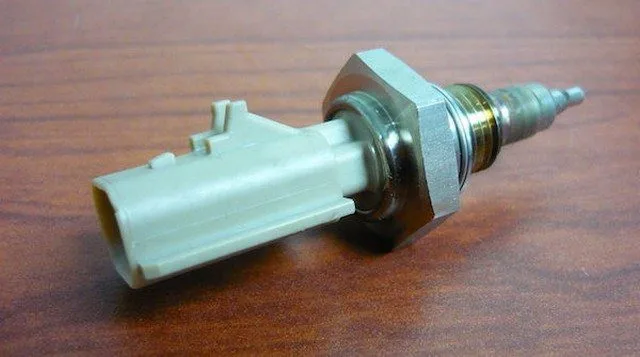
The EGR system allows some exhaust gases to be recycled, reducing pollution and improving combustion efficiency. The EGR temperature sensor plays a key role by enabling the engine control module (ECM) to monitor temperature and adjust the flow of recycled gases via the EGR valve.
When the ECM detects an erratic or intermittent signal from the EGR temperature sensor “A,” it logs the P040E code. The exact location of the sensor may vary by vehicle, so it is recommended to consult a specific repair manual.
Severity of the P040E Code
Although this code is generally not critical for driving, it can lead to increased pollutant emissions and affect engine performance. A malfunctioning EGR system can also cause exhaust leaks or overheating of certain components. Therefore, it is best to resolve the issue quickly to avoid long-term damage.
Symptoms of the P040E Code
A vehicle with this code may exhibit several symptoms:
- Failure of emissions testing due to excessive emissions
- Abnormal engine noises (knocking, pinging)
- Louder than normal exhaust
- Excessive exhaust gas odor
Possible Causes of the P040E Code
The P040E code can be caused by several factors:
- Faulty or damaged EGR temperature sensor
- Leaking EGR temperature sensor gasket
- Crack or leak in the exhaust pipe where the sensor is mounted
- Damaged wiring harness (melted, cut, short circuit)
- Faulty or improperly connected electrical connector
- Issue with the engine control module (ECM)
Diagnostic and Repair Steps
1. Visual Inspection of the EGR System
Start by examining the sensor and surrounding components for exhaust leaks, burnt wires, or loose connections. A buildup of black soot around the sensor may indicate a leak.
2. Cleaning the Sensor and EGR System
Clogging of the EGR system is a common cause of malfunction. Clean the sensor and EGR circuit with carburetor cleaner and a wire brush. If the sensor is difficult to remove, apply moderate heat (such as from a heat lamp) to loosen it. When reassembling, use anti-seize compound on the threads to facilitate future maintenance.
Warning: Forcible removal may break the sensor inside the exhaust manifold, leading to costly repairs.
3. Checking the Sensor’s Electrical Values
Use a multimeter to measure the sensor’s electrical values and compare them to the manufacturer’s specifications. A significant deviation indicates a faulty sensor or wiring issue.
Conclusion
Although the P040E code is not a critical failure, it is essential to resolve it quickly to avoid increased pollutant emissions and degraded engine performance. A thorough inspection and preventive maintenance of the EGR system can help avoid costly long-term repairs.