
What is the P0295 Code?
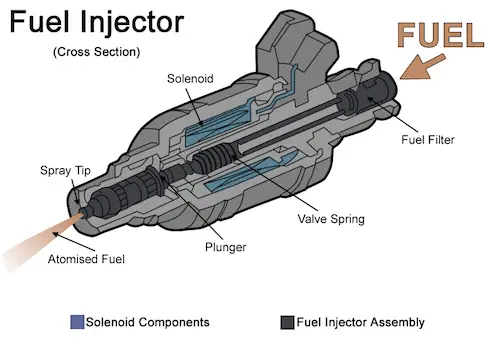
The P0295 trouble code is a generic OBD-II code (common to all manufacturers) that indicates an abnormally high current consumption in the fuel injector circuit for cylinder 12. This means the Powertrain Control Module (PCM) has detected electrical resistance that is too low or a short circuit in this injector’s circuit.
Although generic, the diagnostic procedure and specific causes can vary depending on the vehicle’s make and model. Therefore, it is crucial to consult the Technical Service Bulletins (TSBs) issued by the manufacturer for your specific vehicle.
Symptoms of the P0295 Code
When this fault is present, several symptoms can alert the driver:
- 📈 The Malfunction Indicator Lamp (MIL) illuminates on the dashboard.
- 🔊 The engine runs poorly or has an irregular idle.
- ⛽ Fuel consumption increases significantly.
- ⚡ A loss of power and poor acceleration are noticeable.
- 💥 Misfires or engine hesitation may occur.
Possible Causes of the Fault
Several components can be the cause of the P0295 code:
- Faulty Injector: An internal short circuit in the injector coil is the most common cause.
- Connection Issue: Oxidized, corroded pins, or a loose connector on the injector.
- Damaged Wiring Harness: A frayed, shorted, or damaged wire between the PCM and the injector.
- Clogged or Dirty Injector: Carbon deposits can, over time, affect electrical performance.
How to Diagnose and Repair the P0295 Code?
Here is a step-by-step diagnostic procedure to identify and resolve the problem.
Step 1: Visual Inspection
Start by inspecting the electrical connector for cylinder 12. Check for the absence of corrosion, damage, or loose wires. Clean the terminals and apply dielectric grease to ensure good contact.
Step 2: Injector Test
With the engine running, use a mechanic’s stethoscope (tip on the injector, handle against your ear) to listen for the characteristic “click” of its operation. Its absence indicates a problem.
Step 3: Resistance Measurement
Disconnect the injector and measure its internal resistance using a multimeter. A value between 0.5 and 2.0 Ohms is normal. A value outside this range confirms that the injector is faulty and must be replaced.
Step 4: Injector Cleaning (Optional)
If the resistance is correct but performance is poor, cleaning can be attempted using an on-car cleaning kit. This operation removes deposits that could hinder proper operation.
Step 5: Replacement
If all previous tests point to a faulty injector, replacement is the solution. After installation, clear the codes with an OBD2 scanner and perform a road test to ensure the fault does not return.
⚠️ Warning: Ignoring this code can damage other expensive components like the catalytic converter or oxygen sensors. Prompt diagnosis and repair are recommended.
💡 Pro Tip: Not comfortable performing these tasks yourself? Consult a certified mechanic for an accurate diagnosis and guaranteed repair.