
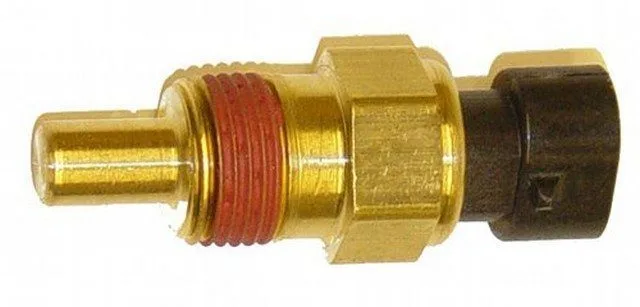
What is the P0117 Code?
The P0117 trouble code is a generic powertrain code that indicates a low input from the Engine Coolant Temperature (ECT) sensor circuit. It applies to most vehicles built after 1996 (Honda, Toyota, Volkswagen, Ford, etc.). Although generic, specific diagnostic procedures may vary by make and model.
Role and Operation of the ECT Sensor
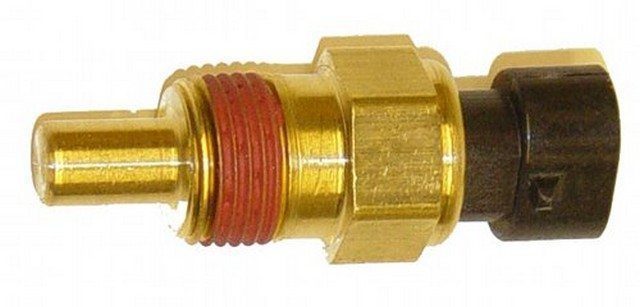
The Engine Coolant Temperature (ECT) sensor is a thermistor located in the engine block or a coolant passage. Its electrical resistance varies with the coolant temperature. It is typically a two-wire sensor: one receives a 5-volt reference voltage from the Powertrain Control Module (PCM), and the other serves as ground.
When the engine is cold, the sensor’s resistance is high. When it is hot, its resistance is low. The P0117 code is triggered when the PCM detects an abnormally low signal voltage, indicating an excessively “hot” condition.
Symptoms of the P0117 Code
- Malfunction Indicator Lamp (MIL) illuminated
- Poor fuel economy
- Engine misfiring or stalling
- Rough or impossible idling
- Black smoke from the exhaust
- Hard starting or stalling after starting
Possible Causes
- Faulty ECT sensor
- Short to ground in the signal circuit
- Oxidized, damaged, or loose connectors
- Damaged or chafed wiring harness
- 5V reference issue from the PCM
- Engine overheating (rare)
- Faulty PCM (very rare)
Diagnosis and Solutions
The P0117 code indicates an abnormal “hot” condition. The first step is to determine whether the problem is with the sensor, the wiring, or, more rarely, actual overheating.
Step 1: Verification with a Diagnostic Tool
With the ignition on (engine off, KOEO), observe the ECT sensor temperature reading on the diagnostic tool. On a cold engine, it should be close to ambient temperature and match the Intake Air Temperature (IAT) sensor reading. A significant discrepancy indicates a likely issue with the ECT sensor.
Step 2: Testing the Sensor and Wiring
If the reading shows an excessively hot temperature (e.g., > 125°C), disconnect the ECT sensor connector. The reading on the diagnostic tool should drop to an extreme cold value (e.g., -40°C).
- If the reading drops: The ECT sensor has an internal short circuit. It must be replaced.
- If the reading does not change: There is a short to ground in the wiring between the sensor and the PCM. Visually inspect the harness for signs of wear, chafing, or melting. Repair or replace the damaged wiring.
Step 3: Checking the 5V Reference Circuit
If the wiring appears intact, check the voltage at the signal wire pin on the PCM connector. An absent or low voltage may indicate a PCM issue or a short on the 5-volt reference circuit shared with other sensors. If other sensor codes are present, disconnect the sensors one by one to identify the one causing the short.
Step 4: Intermittent Issue
If the reading seems normal, the problem may be intermittent. Shake the wiring harness and manipulate the connectors while monitoring the ECT reading. Use the “freeze frame data” function of your diagnostic tool to see the value recorded at the time of the fault.
Related Codes
P0115, P0116, P0118, P0119, P0125, P0128
🔧 Need Help?
Electrical diagnosis can be complex. If you are not comfortable using a multimeter or a scan tool, consult a professional mechanic for an accurate diagnosis and to avoid damaging your PCM.