
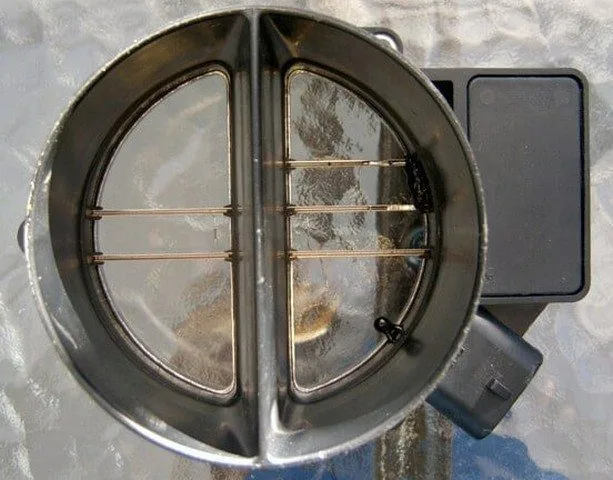
What is the P010D fault code?
The P010D fault code is a generic powertrain code (OBD-II) that indicates a problem with the Mass Air Flow (MAF) sensor “B” circuit. It means that the engine control module (PCM) has detected an abnormally high electrical signal from this sensor. This code affects many brands (Toyota, Ford, Audi, Mercedes, etc.), but the specific diagnostic procedures may vary from model to model.
Role of the MAF Sensor
The MAF sensor (Mass Air Flow) is located in the intake duct, between the air filter and the manifold. It measures the volume and density of the air drawn into the engine. The PCM uses this essential data, along with other parameters, to calculate the amount of fuel to inject, thus ensuring an optimal air-fuel mixture for performance, fuel consumption, and emissions.
Symptoms of the P010D Code
- Malfunction Indicator Lamp (MIL) illuminated (“Check Engine”)
- Engine running rough or stalling
- Hard starting
- Hesitation during acceleration
- Black smoke from the exhaust (overly rich mixture)
- Sometimes, no noticeable symptoms are present
Potential Causes of the Fault
- Dirty or contaminated MAF sensor (oil, dust)
- Faulty or inoperative MAF sensor
- Wiring problem: open circuit, short circuit, corroded or loose connector
- Air leaks in the intake system (downstream of the sensor)
- Excessively dirty air filter
- Problem related to the MAP sensor (Manifold Absolute Pressure)
How to Diagnose and Repair a P010D Code?
Here is a step-by-step diagnostic procedure to identify and resolve the cause of the P010D code.
1. Visual Inspection
- Inspect the MAF sensor’s wiring and connector for any signs of damage, corrosion, or poor contact.
- Check the entire intake system to locate any potential air leaks (cracked hoses, faulty seals).
2. Cleaning the MAF Sensor
- If the sensor is dirty, use a specific MAF sensor electrical cleaner. Gently spray it onto the filament or film without touching it. Let it dry completely before reinstalling it.
- Take the opportunity to inspect and, if necessary, replace the air filter with an original part.
3. Advanced Diagnostics
- Using an OBD2 diagnostic tool, monitor the MAF sensor’s live data at idle and during light acceleration. Compare the values with those specified by the manufacturer.
- Check for other associated fault codes (P010A, P010B, P010C, P010E, oxygen sensor codes, etc.).
- Consult your manufacturer’s Technical Service Bulletins (TSBs) for any known issues related to your vehicle model.
4. Replacement
- If the fault persists after cleaning and checking the wiring, the MAF sensor is likely faulty.
- Recommendation: For optimal reliability, prefer purchasing an OEM quality sensor (original equipment) rather than a cheap aftermarket part.
Need help? Accurate electrical diagnosis may require the expertise of a professional. If you are unsure of your diagnosis, consult a qualified mechanic to avoid unnecessary repairs.