
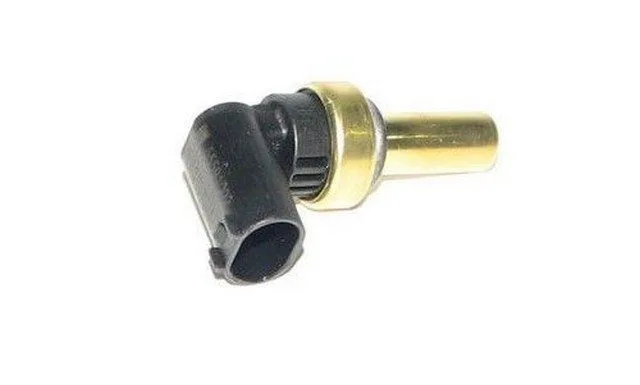
What is the P00B2 Code?
The P00B2 trouble code is a generic OBD-II code related to the Radiator Coolant Temperature Sensor Circuit Performance Range. It applies to many vehicles, including Mercedes, BMW, Nissan, Ford, Honda, and many others.
Role of the Cooling System and the Sensor
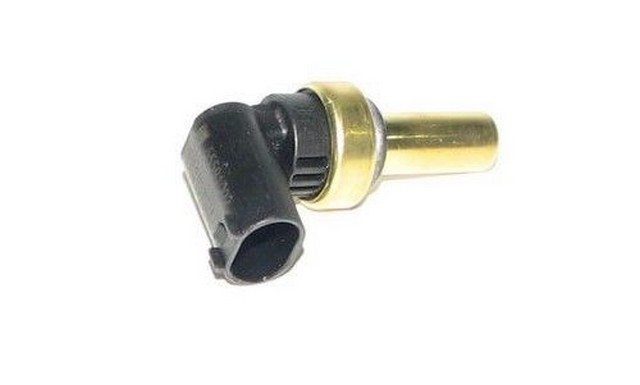
The cooling system is vital for the engine. It regulates its temperature using components like the Coolant Temperature Sensor (CTS), radiator, water pump, and thermostat.
The Engine Control Module (ECM) uses data from the CTS to adjust the air/fuel mixture. Most CTSs have a negative temperature coefficient: their internal resistance decreases as the temperature increases. The P00B2 code is triggered when the ECM detects that the CTS is operating outside its normal performance range. It is part of a family of codes including P00B1, P00B3, P00B4, and P00B5.
Severity of the P00B2 Code
This fault is considered moderately severe. Since the CTS directly influences engine performance and fuel economy, it should not be ignored. An unresolved issue can lead to more significant engine damage and costly repairs.
Symptoms of the P00B2 Code
- Hard cold starting
- Rough idle
- Engine stalling
- Poor fuel consumption
- Exhaust smoke
- Fuel smell
- Erratic temperature readings on the dashboard
- Poor engine performance
Possible Causes of the Fault
- Faulty temperature sensor (CTS)
- Sensor dirty or clogged with debris
- Leak at the sensor O-ring
- Damaged or cut wiring harness
- Blown fuse
- Connector issue (corrosion, loose pin)
- ECM module failure (rare)
Tools Needed for Diagnosis
- OBD2 scanner
- Digital multimeter
- Socket and wrench set
- Screwdriver
- Electrical contact cleaner
- Vehicle repair manual
🔧 Consult a Professional if You Are Unsure!
Electrical diagnosis can be complex. Our network of partner garages is available for accurate diagnosis and reliable repairs. for assistance.
Diagnostic Procedure for the P00B2 Code
📋 Safety Tip
ALWAYS let the engine cool down completely before any work. Check the battery and charging system integrity. Use personal protective equipment (PPE).
Step 1: Check Technical Service Bulletins (TSBs)
Before starting, check for any TSBs for your vehicle. A known fix can save you valuable time.
Step 2: Visual Inspection
Locate the sensor (usually on the radiator, cylinder head, or a hose). Inspect it for obvious signs of damage, corrosion, or coolant leaks around the seal.
Step 3: Electrical Testing of the Sensor
Using a multimeter, measure the resistance between the CTS pins. Compare the obtained value with the resistance range specified in the repair manual for the current engine temperature. A value outside the range indicates a faulty sensor that needs replacement.
Step 4: Checking Wiring and Connectors
Carefully inspect the sensor wiring harness along its entire length, looking for burns, cuts, or punctures. Check the connector for corrosion, loose pins, or a broken locking tab. Clean the contacts if necessary.
Step 5: Cleaning and Replacing the Seal
If the sensor is removed, clean its housing of any debris. Take the opportunity to replace the O-ring, an inexpensive component that can cause leaks and erratic readings.
⚠️ Important Note on Coolant
Always use the type of coolant specified by the manufacturer. An unsuitable product can cause corrosion and damage the system.
Need Quality Parts?
Use our to find the temperature sensor and seals suitable for your vehicle model. Fast delivery and warranty included.