
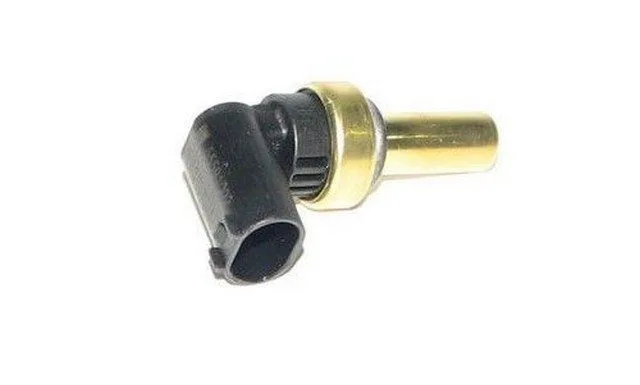
What is the P00B4 Code?
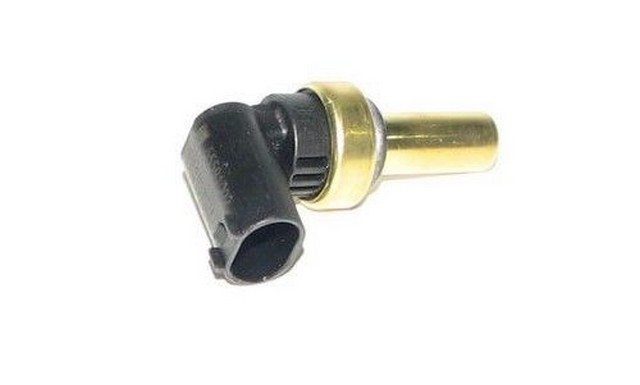
The generic fault code P00B4 indicates a circuit problem with the radiator coolant temperature sensor. This code is specific to vehicles equipped with the OBD-II standard, particularly models from Mercedes, BMW, Nissan, Ford, Honda, Chevrolet, Mazda, Vauxhall, Mini, and Acura.
Role of the Cooling System
The cooling system is essential for the proper functioning of the engine. It regulates the engine temperature through various components, including the coolant temperature sensor (CTS), radiator, water pump, and thermostat.
Operation of the Temperature Sensor
The engine control module (ECM) uses data from the sensor to adjust the air/fuel mixture. The sensor is typically a negative temperature coefficient (NTC) type: its internal resistance decreases as the temperature increases. The P00B4 code is triggered when the ECM detects an abnormally high electrical value in the sensor circuit.
Severity of the P00B4 Fault
This fault is considered moderately severe. Ignoring this issue can lead to engine overheating, premature wear, or costly engine failure. It is recommended to address it promptly.
Symptoms of the P00B4 Code
- Hard cold starting
- Irregular idle
- Engine stalling
- Poor fuel consumption
- Exhaust smoke
- Fuel odor
- Erratic temperature readings
- Decreased engine performance
Possible Causes of the Fault
- Faulty temperature sensor
- Dirty or clogged sensor
- O-ring leaks
- Damaged or cut electrical wires
- Blown fuse
- ECM problem
- Oxidized, melted, or broken connector
Tools Needed for Diagnosis
- OBD2 diagnostic tool
- Multimeter
- Wrench and socket set
- Electrical contact cleaner
- Suitable coolant
- Drain pan
- Repair manual
Safety Tips
- Allow the engine to cool completely before any intervention.
- Chock the vehicle’s wheels.
- Wear personal protective equipment (glasses, gloves).
- Always check the battery condition before starting diagnosis.
Diagnostic Procedure for the P00B4 Code
Step 1: Consultation of Technical Bulletins
Consult your vehicle’s technical service bulletins (TSBs) to identify any known fixes.
Step 2: Visual Inspection of the Sensor
Locate the sensor (usually on the radiator, cylinder head, or cooling circuit) and inspect it for any signs of physical damage or corrosion.
Step 3: Testing the Sensor
Using a multimeter, measure the sensor’s resistance and compare it to the reference values in the manual. A value outside the specification confirms a faulty sensor that needs replacement.
Step 4: Checking for Leaks
Check the seal of the sensor’s gasket. A leak can introduce air into the circuit and distort measurements. Replace the gasket if necessary.
Step 5: Inspection of the Wiring
Thoroughly inspect the sensor’s electrical harness and connector, which are often exposed to heat and the elements. Look for melted, broken wires, or corroded pins.
Step 6: Cleaning the Sensor
If possible, remove the sensor and clean it of any deposits that could affect its accuracy.
Need Help?
If the diagnosis seems complex, do not hesitate to consult a professional mechanic for reliable repair and to ensure your engine’s longevity.