
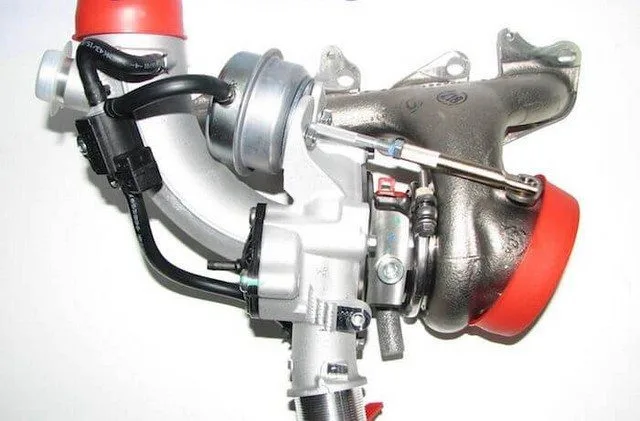
What is the P006E Code?
The diagnostic trouble code P006E is a generic powertrain code related to OBD-II vehicles. It indicates that the Engine Control Module (ECM) has detected an abnormally low voltage in the “A” boost control circuit. This code affects many manufacturers, including Chevrolet, GMC (Duramax), Dodge, Ram (Cummins), Ford, VW, and others.
Role of the Boost System
Forced induction systems, such as turbochargers or superchargers, increase the amount of air entering the combustion chambers to enhance engine performance. To regulate boost pressure, the ECM uses a wastegate or a control solenoid. A problem in this circuit (such as low voltage) prevents the ECM from properly controlling the pressure, which can lead to a non-optimal air-fuel mixture and activate a limp mode to protect the engine.
Severity of the P006E Code
The severity of this code is moderate to high. Ignoring this fault can damage the engine due to an overly rich or lean air-fuel mixture, cause overheating, excessive fuel consumption, or significant power loss. It is recommended to diagnose the issue promptly.
Symptoms of the P006E Code
- Reduced or irregular engine power
- Sluggish acceleration response
- Limp mode activated
- Abnormally high fuel consumption
- Intermittent driving issues
- Difficulty climbing hills or accelerating
Possible Causes of the Fault
- Faulty or stuck boost control solenoid
- Wiring issues (short circuit, broken wire, corrosion)
- Oxidized or loose connectors
- Problem with the boost control module
- Internal ECM fault
- Clogged turbocharger vanes
- Exhaust or intake system leak
Diagnostic Steps
Step 1: Visual Inspection
Locate the boost control solenoid (often mounted on the turbocharger). Check its physical condition, electrical connections, and ensure there is no corrosion or heat damage.
Step 2: Mechanical Check
Ensure the solenoid or wastegate lever is not stuck or damaged. Some systems allow limited manual movement.
Step 3: Electrical Check
Using a multimeter, check the voltage and continuity of the circuits connected to the solenoid. Look for signs of short circuits, high resistance, or poor ground connections.
Step 4: Advanced Diagnostics
If the previous steps reveal nothing, consult the ECM’s live data with a specialized diagnostic tool. Compare voltage and pressure values with the manufacturer’s specifications.
Conclusion and Call to Action
The P006E code should not be ignored, as it can cause costly engine damage. If you are not comfortable performing these checks, consult a qualified mechanic for an accurate diagnosis. Professional tools and technical documentation specific to your vehicle are often necessary to resolve this issue effectively.