
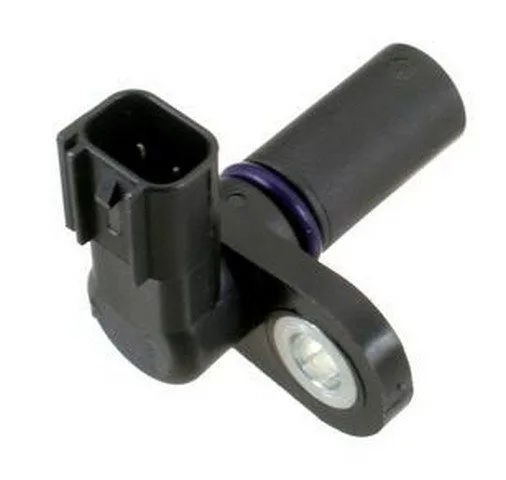
Code P000C: Definition and Symptoms
Trouble code P000C is a generic powertrain code that indicates a slow response from the intake camshaft position (A), bank 2. It occurs when the powertrain control module (PCM) detects a discrepancy between the actual position of the camshaft and its desired position during phase changes.
Symptoms of Code P000C
- Illuminated check engine light
- Reduced performance and power loss
- Increased fuel consumption and emissions
- Abnormal noises from the engine
- Rough idle or stalling
Possible Causes of Code P000C
Several failures can be the cause of this code:
- Engine Oil: Level too low, poor quality, or insufficient pressure.
- Camshaft Position Sensor (CMP): Faulty or dirty.
- VVT Oil Control Solenoid: Stuck, faulty electrical circuit, or clogged screen.
- VVT Actuator: Mechanically stuck or worn.
- Mechanical Problems: Stretched timing chain, damaged guides or tensioners.
- Electrical Problems: Cut wiring, corroded or loose connectors.
- Faulty PCM: A rare cause, to be considered as a last resort.
Diagnosis and Troubleshooting of Code P000C
⚠️ Warning: These steps are general. Always consult the manufacturer-specific procedures for your vehicle.
1. Preliminary Checks
- Check the engine oil level and condition. Dirty oil or a low level is a common cause.
- Visually inspect the wiring and connectors of the CMP sensor and VVT solenoid for any signs of damage or corrosion.
- Consult the manufacturer’s Technical Service Bulletins (TSBs) for known issues.
2. Camshaft Position Sensor (CMP) Test
Hall Effect Sensor (3 wires): With the engine running, measure the output signal with a multimeter set to DC Volts. The voltage should fluctuate. A flat reading indicates a faulty sensor.
Permanent Magnet Sensor (2 wires): Measure the output voltage in AC Volts. A zero or low reading indicates a fault.
3. VVT Control Solenoid Test
- Resistance Test: Disconnect the connector and measure the resistance between the solenoid pins. Compare the obtained value with the manufacturer’s specifications.
- Visual Inspection: Remove the solenoid and inspect its filter/screen for any clogging by metallic debris.
4. Electrical Circuit Checks
Using a multimeter, verify that the solenoid and sensor are receiving proper 12V power and a good ground (no abnormal voltage drop).
5. Mechanical Inspection
If all electrical tests are conclusive, the problem is likely mechanical. Inspect the timing chain tension and check the VVT actuator for any signs of wear or blockage.
Conclusion and Call to Action
Code P000C is a fault that should not be ignored, as it can lead to performance loss and engine damage in the long term. An accurate diagnosis is essential to avoid replacing parts unnecessarily.
Don’t feel comfortable performing these checks yourself? Entrust the diagnosis of your vehicle to a professional equipped with advanced diagnostic tools for an accurate diagnosis and reliable repair.