
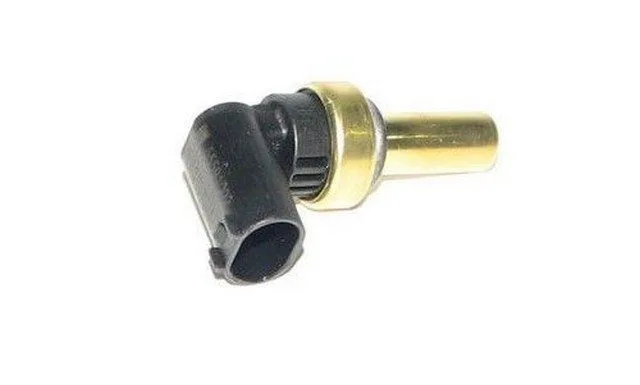
Code P00B3: Low Radiator Coolant Temperature Sensor Circuit Value
The P00B3 fault code is a generic OBD-II code related to the powertrain. It indicates that the Engine Control Module (ECM) has detected an abnormally low electrical value in the radiator coolant temperature sensor (CTS) circuit. This issue can affect many brands such as Mercedes, BMW, Nissan, Ford, Honda, Chevrolet, etc.
Role of the Cooling System
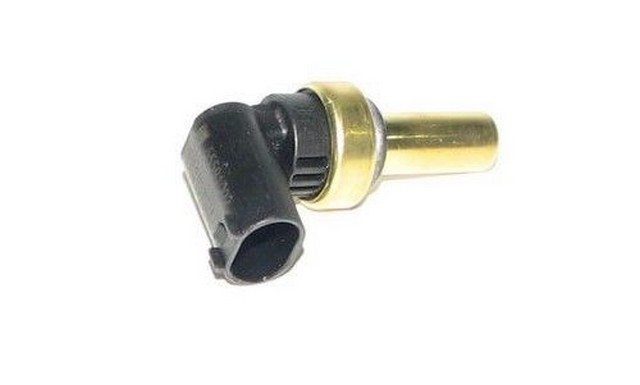
The cooling system is crucial for your engine’s health. It regulates its temperature using key components like the temperature sensor (CTS), radiator, water pump, and thermostat. The ECM uses data from the CTS to adjust the air/fuel mixture, which is essential for engine performance and efficiency. Most CTSs have a negative temperature coefficient: their internal resistance decreases as the temperature increases.
Severity of Code P00B3
This code is considered moderately severe. A faulty CTS can lead to poor combustion, increased fuel consumption, and potentially engine damage. It is highly recommended not to ignore this fault to avoid more costly repairs.
Symptoms of Code P00B3
- Hard cold starts
- Rough idle or engine stalling
- Poor fuel consumption
- Smoke or gasoline smell from the exhaust
- Erratic temperature readings on the dashboard
- Decreased engine performance
Possible Causes
- Faulty temperature sensor (CTS)
- Dirty or clogged sensor due to debris
- Leak at the sensor gasket or O-ring
- Damaged wiring harness or blown fuse
- Connector issue (corrosion, loose pin)
- Rare ECM failure
Tools Needed for Diagnosis
- OBD2 scanner
- Digital multimeter
- Wrench and socket set
- Electrical contact cleaner
- Vehicle-specific repair manual
Important Safety Tips
- Always let the engine cool down completely before working on the cooling system.
- Wear personal protective equipment (safety glasses, gloves).
- Chock the vehicle’s wheels.
- Check the battery and charging system condition first.
5-Step Diagnostic Procedure
Step 1: Visual Inspection
Locate the sensor (usually on the radiator, cylinder head, or a coolant hose) and inspect it for any physical damage, corrosion, or coolant leaks. Consult the service manual for its exact location.
Step 2: Sensor Electrical Test
Using a multimeter, measure the resistance between the CTS pins. Compare the obtained value, both cold and hot, with the manufacturer’s specifications. An out-of-range resistance confirms a faulty sensor that needs replacement.
Step 3: Leak and Seal Check
Carefully inspect the sensor gasket. A leak introduces air into the system and distorts measurements. Replace the O-ring even if it only appears worn.
Step 4: Wiring and Connector Inspection
Follow the sensor’s wiring harness. Look for melted, broken wires, or oxidized/corroded connectors, often caused by engine heat. Clean the terminals or repair the wiring if necessary.
Step 5: Cleaning and Reassembly
If the sensor is accessible, remove it and clean it thoroughly to remove any deposits that could affect its reading. Always use the type of coolant recommended by the manufacturer during reassembly.
💡 Pro tip: Before starting, check your vehicle’s Technical Service Bulletins (TSBs). A known fix could save you valuable time.
Need Help?
If the diagnostic steps are beyond your mechanical skills, consult a partner garage for a professional diagnosis. Avoid risks and ensure your vehicle is repaired correctly.