
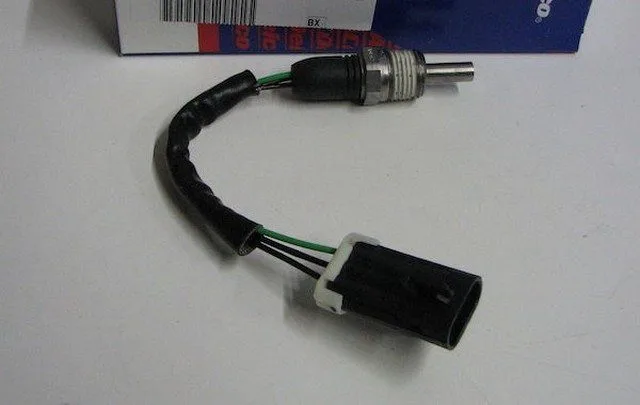
Code P00B7: Low Coolant Flow – Diagnosis and Solutions
The generic fault code P00B7 indicates that the Powertrain Control Module (PCM) has detected an abnormal difference between the signals from the Engine Coolant Temperature (ECT) sensor and the Radiator Temperature Sensor. The PCM infers that the coolant flow is insufficient. This code is common in many brands (Chevrolet, Audi, Ford, VW) and particularly on certain Chevrolet models (Sonic, Aveo, Malibu, Spark).
Symptoms of Code P00B7
- Air-fuel mixture too rich (black smoke from the exhaust)
- Driving issues (jerking, loss of power)
- Irregular or rough idle
- Engine overheating
- Excessive fuel consumption
- Malfunction Indicator Lamp (MIL) illuminated
Possible Causes of the Fault
- Low coolant level
- Faulty or stuck thermostat
- Defective ECT sensor or radiator sensor
- Circuit problem (short circuit, open circuit, poor connector)
- Programming error or PCM failure
Diagnosis and Troubleshooting of Code P00B7
⚠️ Warning: Only proceed with diagnosis if the engine is cold and the coolant level is correct. Overheating can severely damage the engine.
1. Preliminary Inspection
- Check and correct the coolant level if necessary.
- Visually inspect the cooling circuit for leaks.
- Check the condition of the wiring and connectors for both temperature sensors.
2. Using an OBD2 Scanner and Multimeter
- Connect a scanner to read fault codes and live data. Note the values from both temperature sensors.
- During a cold start, observe the temperature changes via the scanner. A persistent divergence confirms the fault.
- Using a multimeter (DVOM) and wiring diagrams, test:
- The reference voltage (usually 5V) and ground at the sensor connectors (engine off, ignition on).
- The resistance of each sensor (disconnected), comparing it to the manufacturer’s specifications for a given temperature.
- The signal voltage of each sensor (connected) during operation, which should vary with temperature.
- Use an infrared thermometer to measure the actual temperature at the sensors and compare it with the value read by the scanner.
3. Interpreting Results and Corrective Actions
- If a sensor shows an inconsistent value or resistance out of specification, replace it.
- If the supply or signal voltages are abnormal, check the wiring and connectors for a short circuit or break.
- If all circuits and sensors are compliant, the problem may lie with the PCM. Check for a Technical Service Bulletin (TSB) for your vehicle before considering its replacement.
Conclusion
Code P00B7 is a serious fault that should not be ignored, as it directly affects the air-fuel mixture and can cause overheating. A methodical approach, from checking the fluid to electrical testing of the sensors, is essential to identify and resolve the root cause.
Call to Action: Electrical diagnosis requires experience. If you are not comfortable with these procedures, consult a professional mechanic for an accurate diagnosis and reliable repair.