
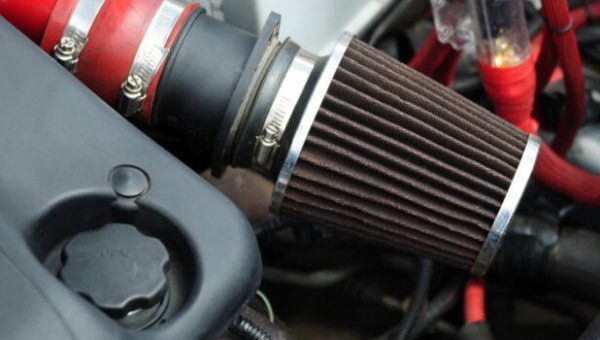

Give your car a breath of fresh air with a high-performance air filter.
Engines are a lot like humans – we all need air to function properly. Limit your engine’s air supply and it won’t work as well as it should, which usually results in increased fuel consumption. Engines need all the oxygen they can get for combustion, but they only want pure air, not all the other debris and tiny particles that can come with it. That’s where an air filter comes in handy.
As the old saying goes, not all air filters are created equal. There is a variety of choices, especially when it comes to performance or sport air filters for cars. Here, we will give you all the information you need about what they are, how they work, and how to choose the best air filter for your car.
WHAT IS AN AIR FILTER?
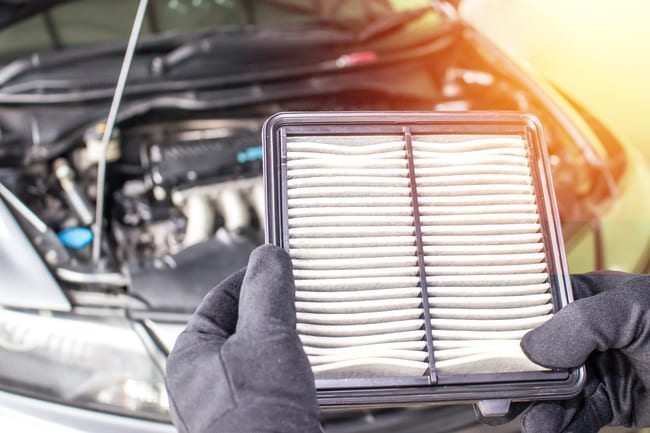
An air filter is what prevents debris and dirt from entering your car’s engine through the intake manifold valves.
Cars rely on an air-fuel mixture to power the engine and the purer the air, the better it is for the engine. The air filter will ensure that this is as clean as possible, not only removing large pieces of dirt and debris but in some cases stopping particles that would unbalance the air-fuel mixture and lead to worse performance or “misfiring.”
In addition to ensuring that performance remains constant, a good air filter will ensure that fuel consumption remains low. If the air drawn in is not “pure,” then more fuel will be needed to achieve the required engine power. Since the engine heats up as part of the combustion process necessary to power the car, a constant flow of clean, fresh air also prevents your car from overheating.
Due to the work they do and the fact that they have a limited capacity to collect dirt, air filters can become clogged and prevent air from passing through. In this case, they will need to be replaced. If you do not replace it, your engine’s performance will begin to decline, and dirt and grime can also mix with the oil supplied to the engine, which will wear down engine components over time.
Until the 1980s, air filters were round paper elements, but manufacturers began using flat filters that channeled air to fuel-injected engines. This would ensure that the systems remain cool.
However, factory air boxes often reduce power. The air intake passages provide the engine with enough air to stay cool when running, but they are not intended for the best performance.
WHAT IS A SPORT AIR FILTER?
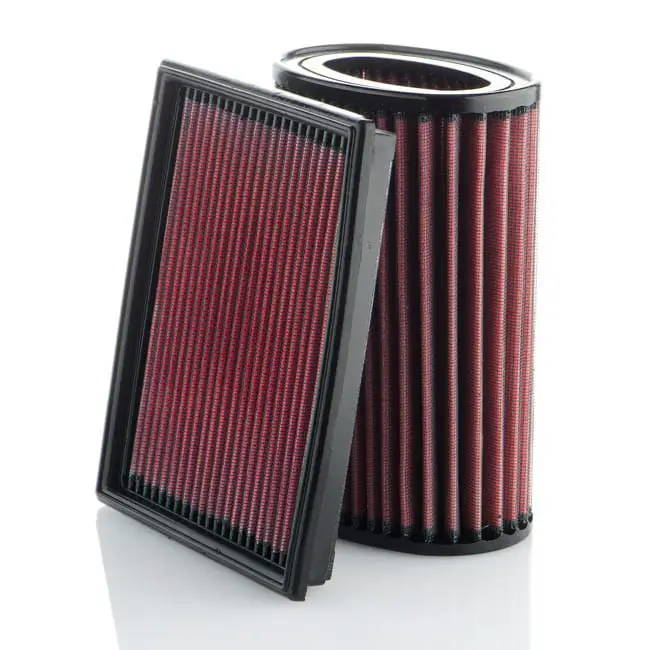
While most standard filters are made of paper and need to be replaced when they reach their capacity, there are also special filters for sports or performance. These fit into the original housing and never need to be replaced. While factory-installed air filters are primarily designed to prevent dirt from entering the engine, a good performance air filter must find the perfect compromise of balancing filtration with airflow. The more air in the engine, the more power you can get.
For this reason, in the quest for increased power, a performance air filter is one of the simplest upgrades to make. Since the filter is the first part of the intake system, the amount of air it lets into the engine has a direct correlation with the power the engine can potentially produce. Allowing more air to enter by using a less restrictive sport air filter will therefore give your car the potential for increased power.
Most sport air filters are conical, meaning they are sometimes called cone air filters. This shape allows for a larger surface area when taking in air, although some can also be wedge-shaped. The filter element can be simply made of paper, but it is more often made of foam and designed to draw in more air from colder places than the factory air filter, thus keeping the engine cooler and helping you achieve optimal performance.
WHAT ARE THE ADVANTAGES?
There are many advantages to sport air filters.
As briefly mentioned above, these filters do not need to be replaced. Unlike paper filters that can clog quite easily and need to be replaced regularly, all you have to do with sport air filters is clean them about every two years or so. This is because they do not clog as quickly or as easily because the filter has a larger surface area, but they offer better airflow and better filtration of the air entering your engine.
Since you never have to wonder when to change your cone air filter, you just need to think about how to clean the cone air filter, and another advantage of this is that it is relatively simple.
Most filters recommend cleaning after about 10,000 km as they can be quite dirty. There are a variety of filter cleaning kits available online that come with specific cleaners to use on your sport filter, as well as an oil to apply afterward so it continues to work as well as possible. These can simply be soaked in the cleaning substance, then left to dry, while brushing off as much dirt as possible during the process. Simple!
They will also improve your performance. If your engine gets more air, it can perform better. A question often asked by skeptics is, do cone air filters actually work, and the simple answer is yes. In fact, the best sport air filters can increase your power by about 3 to 5 HP and increase your torque.
Some more expensive units will also come with a cold air intake unit. This acts to draw air from outside the car instead of replacing the hot air used inside the engine compartment. This cold air is denser and will therefore burn better, further improving your engine’s performance. The free-flow intake pipe also draws in less turbulent air that moves faster and contains more oxygen than factory-installed air filters.
WHAT ARE THE DISADVANTAGES?
A sport air filter sounds louder than a normal air filter because the larger volume of air is less restricted. Although the increased air is necessary for performance, it will make your car roar much more than normal. This may not be particularly friendly when driving through sleepy villages at night, but it certainly makes your car much more dynamic.
Another issue that has been noted is that due to the increased air intake, high-performance filters can actually expose your engine to more dirt and debris. This increased intake of foreign objects can wear down the internal moving parts of the engine more and cause damage there, although this is quite rare.
A final issue, especially with cold air intakes, is that water from the road (and with it mud and other forms of dirt) can splash and soak your filter, and water can even enter your engine. However, there are ways to avoid this, such as by purchasing a hydroshield and making sure not to drive through roads with high water levels. Getting a decent filter from a reputable brand and paying a fair price should actually put an end to all these problems. As with many car parts, the more you spend, the fewer risks there are for your engine.
HOW TO INSTALL A SPORT AIR FILTER
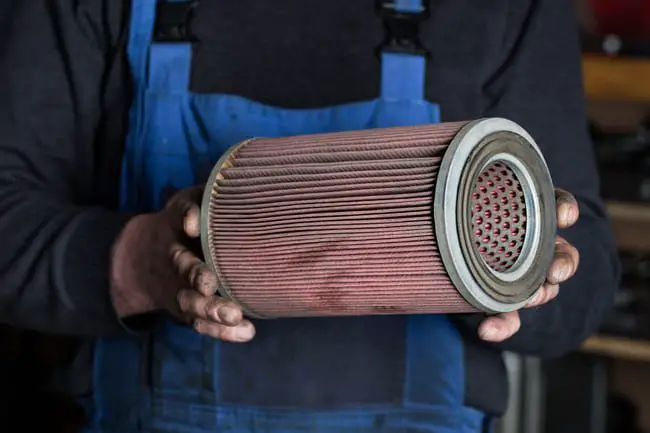
Installing or removing a sport air filter to clean it is a relatively simple process.
Open the hood to expose the engine compartment and the air filter should be located either in the engine cover itself or in a separate housing, although this of course varies depending on car and filter manufacturers.
Check your car’s manual if you are unsure where it is located. Unscrew the fasteners or open the clips of your old air filter. You simply need to attach your new replacement cone air filter to the location of the old air filter. Most universal sport air filters have a clip or screw that holds them in place and will come with instructions on how to attach them.