
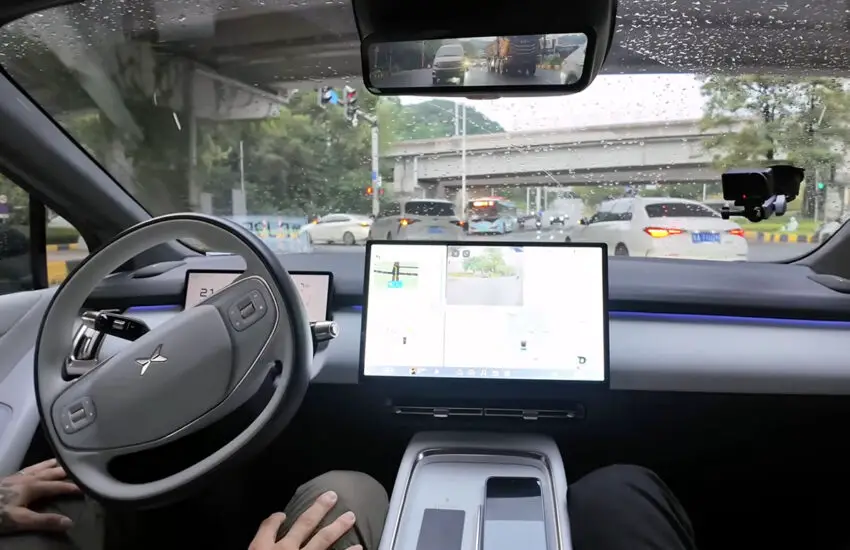
Putting Xpeng’s XNGP to the Test
In the rapidly evolving landscape of automotive technology, advanced driver-assistance systems (ADAS) represent a critical frontier. A recent hands-on evaluation of Xpeng’s XNGP system provided a compelling look at how close we are to a new era of semi-autonomous mobility. This technology goes beyond basic highway assist, aiming to manage complex urban and inter-city journeys.
Beyond Highway Assistance
The most striking aspect of XNGP is its operational breadth. Unlike systems confined to motorways, XNGP is designed for point-to-point navigation. During testing, the system confidently handled lane changes, overtaking maneuvers, and highway interchanges with a natural, human-like flow. The transition from major roads to urban environments was notably smooth, showcasing its integrated approach.

Intelligent Navigation in Complex Environments
Urban driving presents the ultimate challenge, and here XNGP demonstrated significant capability. The system accurately recognized traffic lights, responded to dynamic pedestrian crossings, and negotiated unprotected turns. Its perception of complex scenarios, such as merging traffic or sudden obstructions, was processed quickly, with vehicle controls being executed proactively and safely. This contextual awareness is a key differentiator.
A Step Towards Autonomous Mobility
The experience underscores a significant leap in sensor fusion and AI decision-making. The system’s confidence does not equate to complacency; it maintains clear driver monitoring, ensuring engagement is necessary. For the industry, Xpeng’s progress with XNGP highlights the intense innovation race in smart EV technology, setting a high bar for what consumers can expect from next-generation vehicles.