

Xiaomi Plots a Multi-Powertrain Automotive Future
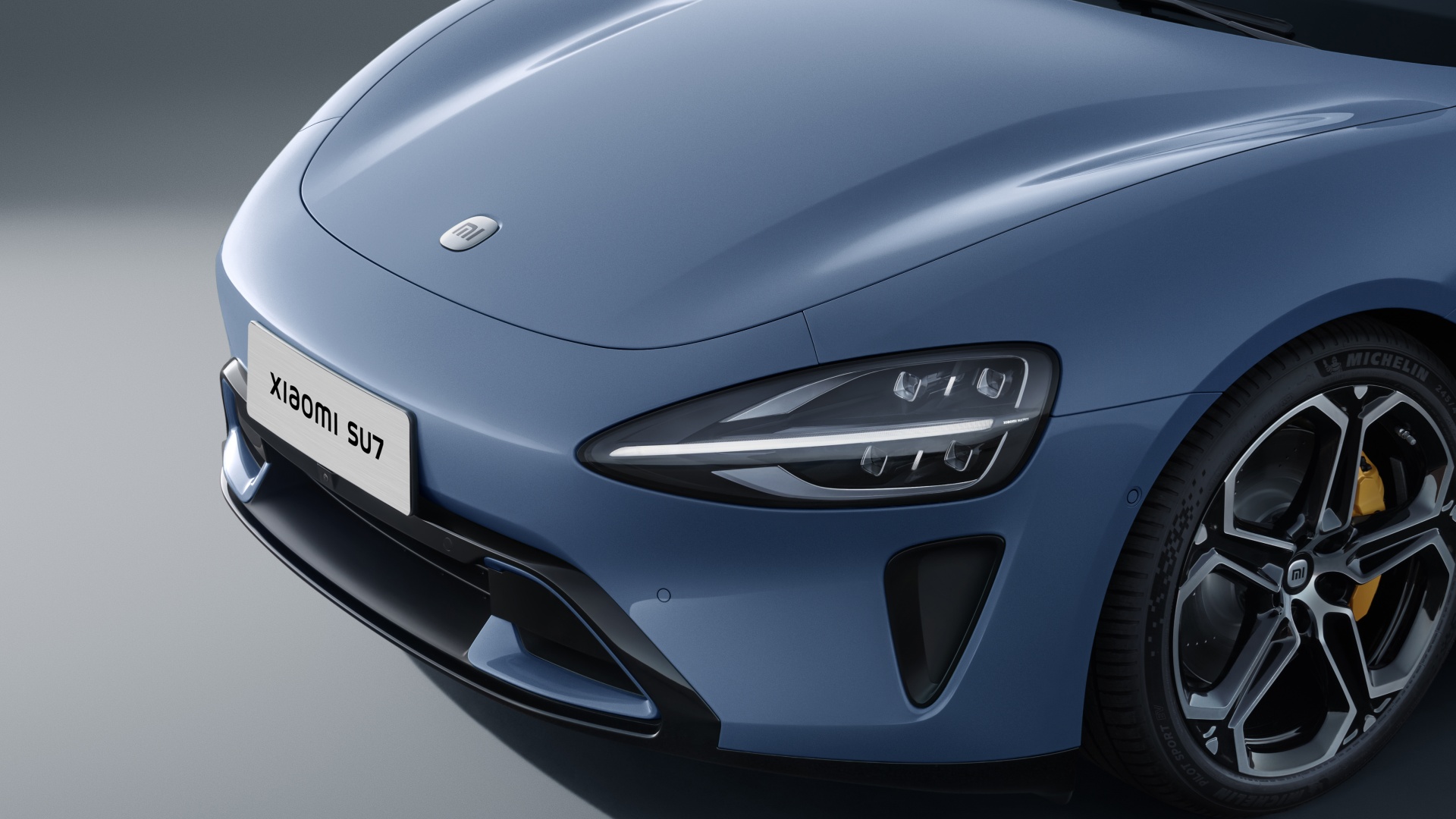
The automotive strategy of tech giant Xiaomi is entering a new, more expansive phase. Having made a significant impact with its all-electric SU7 sedan, the company is now preparing to diversify its vehicle portfolio beyond a sole focus on battery-electric powertrains. This strategic pivot signals Xiaomi’s intent to compete across multiple segments of the global auto market.
Beyond the Electric Debut
Xiaomi’s successful launch of the SU7 proved its capability to design, engineer, and market a compelling electric vehicle. However, relying solely on pure electric models limits market reach, especially in regions with developing charging infrastructure or where consumer preferences vary. By exploring alternative powertrains, Xiaomi aims to mitigate these limitations and appeal to a broader customer base from the outset.
Exploring Hybrid and Extended-Range Options
Industry analysts suggest that Xiaomi’s diversified roadmap likely includes plug-in hybrid (PHEV) and extended-range electric vehicles (EREV). These technologies offer a practical bridge for consumers, combining electric driving for daily commutes with the flexibility of a fuel engine for longer journeys. This approach can accelerate adoption by alleviating range anxiety and is aligned with current purchasing trends in many key markets, including China.
A Broader Competitive Vision
This move positions Xiaomi more directly against established automakers that offer a wide spectrum of electrified vehicles. It demonstrates a pragmatic, market-driven strategy rather than a purely idealistic one. For Xiaomi, cars represent another smart device ecosystem, and a varied powertrain lineup ensures this ecosystem can integrate into diverse user lifestyles and environments globally. The coming years will reveal how quickly this tech giant can translate its software and connectivity prowess into a full spectrum of automotive products.