
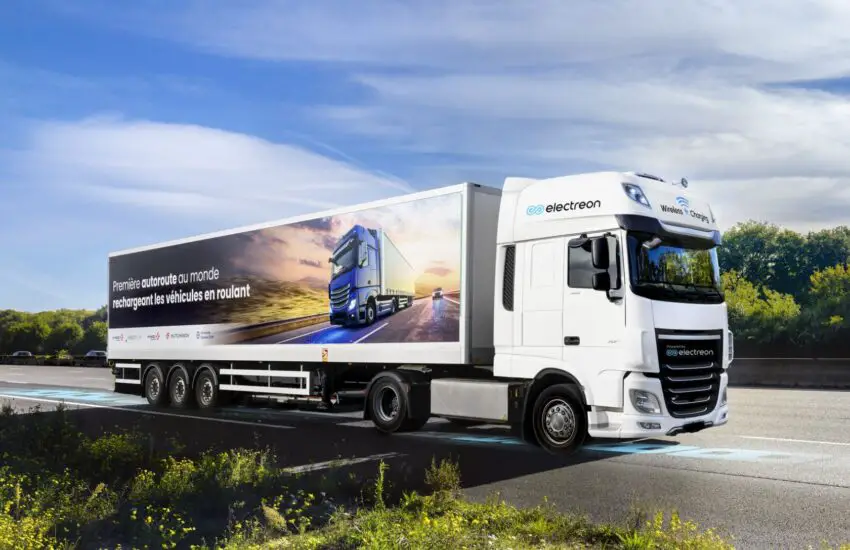
A New Milestone in Electric Vehicle Infrastructure
The dream of charging an electric vehicle while driving has taken a monumental leap forward. Recent technological validation has demonstrated wireless charging at an unprecedented 300 kW through induction technology embedded directly into roadways. This breakthrough shatters previous power records and brings the concept of dynamic, in-motion charging closer to practical reality, potentially transforming how we power transportation.
How Dynamic Induction Charging Works
This system utilizes a network of copper coils installed beneath the road surface. When a vehicle equipped with a compatible receiver passes over these coils, an electromagnetic field transfers energy wirelessly to the vehicle’s battery. The achievement of 300 kW is significant because it approaches the power level of many ultra-rapid stationary charging points, meaning vehicles could maintain or even increase their charge during transit, effectively eliminating range anxiety for compatible fleets.
Implications for the Future of Transport
The potential applications for high-power dynamic charging are vast. It is particularly promising for public and commercial transport routes. Imagine electric buses on set urban routes that never need to detour for charging, or long-haul electric trucks that could use equipped highway lanes to extend their range indefinitely. This technology could lead to smaller, lighter vehicle batteries, reducing the environmental and material cost of EVs, and enabling more efficient use of urban space by reducing the need for large charging stations.
Challenges on the Road Ahead
Despite the impressive technical feat, widespread adoption faces considerable hurdles. The cost of retrofitting existing road networks with induction coils is a major economic and logistical challenge. Furthermore, standardization is crucial; vehicles will need universal receivers to benefit from public charging roads. There are also ongoing discussions about the energy efficiency of wireless transfer compared to traditional conductive charging and the long-term durability of the road-embedded infrastructure.
This record-breaking validation is a powerful proof of concept. It demonstrates that the technical barriers to high-power wireless charging are being overcome, setting the stage for a future where roads do more than carry vehicles—they power them.