
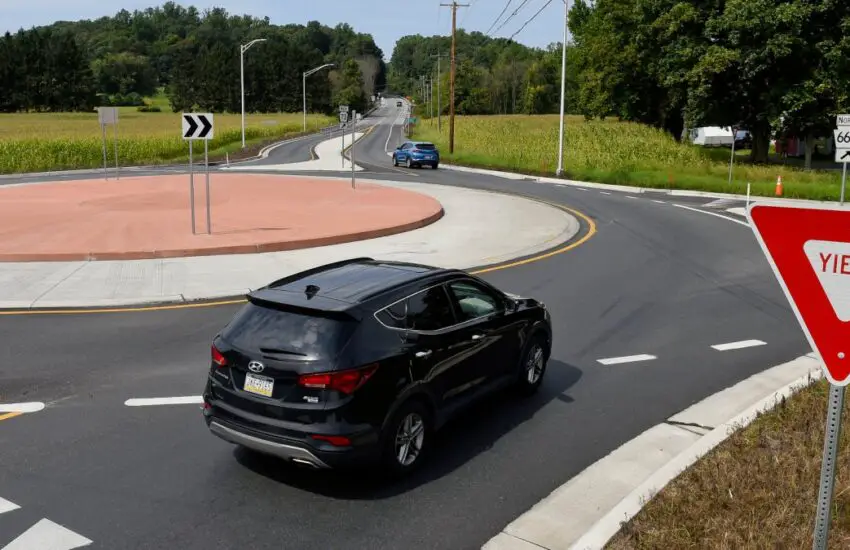
The American Roundabout Paradox
As traffic infrastructure evolves, roundabouts represent an efficient design to improve safety and traffic flow. Yet across the United States, these circular intersections continue to baffle drivers. Despite proven benefits, many American motorists approach roundabouts with uncertainty, leading to unexpected traffic issues and undermining their intended advantages.
Alarming Data from Michigan
Recent studies from Michigan reveal startling patterns. Roundabout accidents, while often less severe, occur frequently due to driver confusion. The state’s transportation department reports consistent issues with yielding, lane usage, and navigation within these intersections. This confusion persists even years after roundabout installations, suggesting a deeper adaptation challenge.
Educational Gaps and Driver Habits
The core issue lies in driver education and entrenched habits. Many American drivers learned on traditional signaled intersections and lack formal roundabout training. This knowledge gap becomes apparent when drivers hesitate at entry points, misuse lanes, or attempt incorrect maneuvers. The problem is compounded by varying roundabout designs across states, creating a inconsistent experience for travelers.
Engineering Solutions and Future Outlook
Transportation engineers are responding with improved signage, better lane markings, and public awareness campaigns. Some municipalities are implementing simpler single-lane roundabouts before introducing multi-lane versions. As roundabout construction continues to increase nationwide, the focus has shifted toward both better design and comprehensive driver education to maximize their safety benefits.