
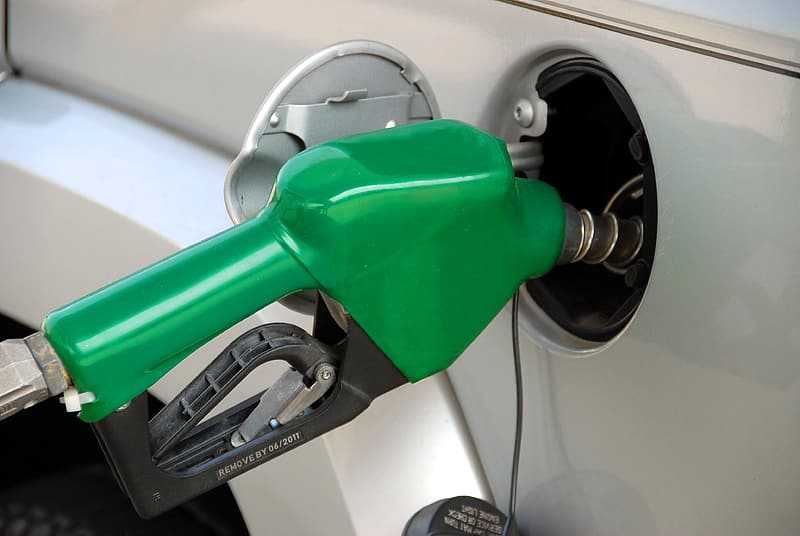
Why is it bad to top off gas? Almost all car owners have refueled at a gas station. When the pump stops, indicating a “full” tank, most people can’t resist the temptation to add a little more gas. It’s universal. People do this to round up the gallon or the bill. However, should you top off gas? Does it have harmful effects on a vehicle?
Overfilling the gas tank is downright harmful, both to the environment and your car. Here is a discussion on the reasons why you should drop the habit of adding a few extra drops.
What happens if you overfill your gas tank
You might be thinking about the damage a little extra fuel can cause. After all, you can only fill a tank as much as it can hold, right?
Technically, yes. But gasoline has certain properties that can have disastrous effects on filling the gas tank.
Two specific properties make overfilling problematic:
Vapor in gasoline.
Gasoline emits vapor, essential for its proper combustion in a vehicle’s engine. But this vapor escapes when there isn’t enough room inside the tank.
The lack of vapor hinders the combustion process, affecting the vehicle’s performance, as the fuel cannot burn properly to produce adequate power.
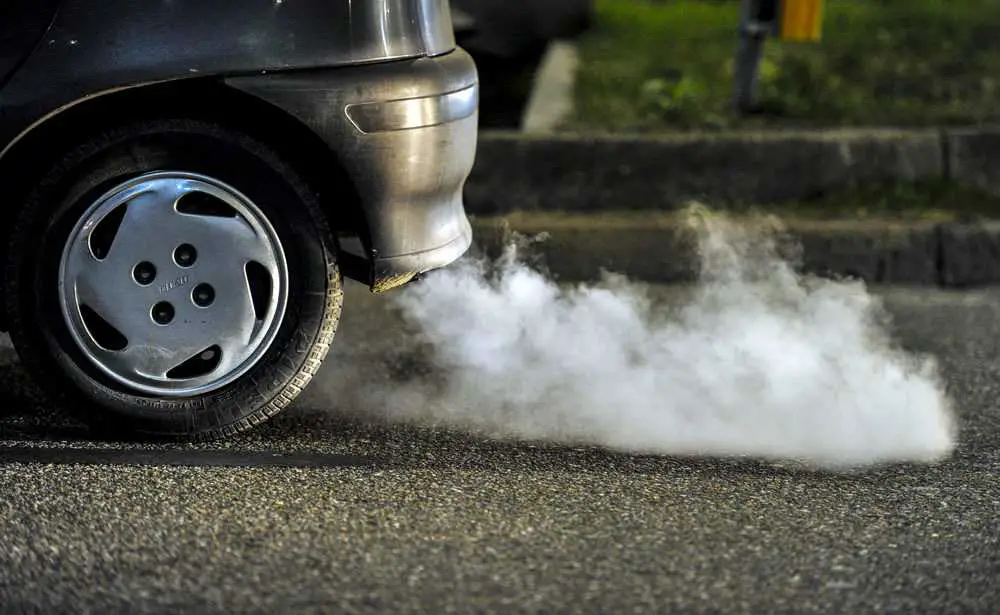
Another issue is air pollution. The vapor released into the environment produces smog by reacting with sunlight. For this reason, most gas stations use a vapor recovery system to reduce their harmful effects. Some car gas tanks also minimize vapor emissions by using a charcoal canister that collects the vapor and sends it back to the combustion chamber to burn it.
Expansion of gasoline.
Can you overfill your gas tank? You can but shouldn’t because of the vapor. Another reason is the expanding nature of gasoline.
Heat causes gasoline to expand. Gas stations store gasoline supplies in underground tanks to keep them cool. But the ambient temperature and the inside of a car’s gas tank cause the gas to expand a bit. So, overfilling will cause the gas to create unnecessary pressure on the gas tank walls.
Topping off gas: why is it bad?
Is it bad to overfill the gas tank? Of course, it is.
Many drivers still mistakenly believe that topping off gas will help the car improve its performance, but in reality, it severely affects the car. Overfilling is bad for your car. The gas tank needs some leeway for vapor and expanded gasoline.
Let’s find out what problems a filled gas tank can cause on your vehicle.
Ruining the charcoal canister
The vapor recovery system cannot fulfill its function when a tank is full. An overfilled tank causes the charcoal canister to suck in liquid fuel, causing damage. Furthermore, when there’s no room for the gas to evaporate in the tank, it will happen in the vapor collection system (or in the charcoal canister), leading to its failure.
A bad charcoal canister is one of the reasons for high emissions and poor vehicle performance. You may need to replace the canister, which can be expensive, costing between $190 and $560, including parts and labor.
Excess gasoline in the system can cause other harmful effects. An overflowing charcoal canister can not only break the vapor system but also create excessive pressure on the fuel combustion system. If this happens, you may need to change many engine components, or even the entire engine.
Bad for the environment
Overfilling can spill fuel onto the ground, which is bad for the environment as it can evaporate and create smog by reacting with sunlight. This smog damages the ozone layer, which protects the earth from harmful UV rays.
Excess gas also creates excessive exhaust fumes, contributing to air pollution. Gasoline itself is toxic to human skin, and breathing its fumes is harmful to health.
Leading to extra expenses
Many gas stations have a vapor recovery system that recovers vapors and pumps the extra gasoline from the car’s gas tank back to the station’s tank. But this extra amount of gasoline is still charged to you. This means you have to pay for something you don’t have.

This system involves automatically removing the gas nozzle when the vehicle’s tank is full. Thanks to this safety system, gas vapors cannot escape into the air and cause air pollution, and excess gas cannot create complications in a vehicle’s combustion system.
Furthermore, a filled gas tank can damage the vapor collection system, leading to costly repairs.
Affecting the car’s exterior
If you overfill with gas, the excess gasoline will spill and stick to the car’s surface, affecting the car’s paint. Over time, if the car is not carefully cleaned, yellow stains will appear around the gas tank area, making cleaning difficult and causing the car to lose value.
FAQ
When should you fill up gas for your car?
According to experts, when discussing how to fill up a car, car owners should refuel when the gas gauge is about to reach E. This will help protect the engine and associated systems. The fuel gauge will warn of low fuel level by continuously flashing. If you continue driving while the fuel level is low, the engine, such as the pipes, fuel pump, or injectors, will be easily damaged. And the best time to fill up gas is during the coolest periods of the day, like early morning or late evening.
How far can you drive with the gas light on?
When the gas light on your dashboard or the car’s fuel gauge reaches the E mark, it means your car will need to use the fuel stored in the reserve tank; the vehicle can continue to travel a certain distance to the nearest gas station. Avoid stalling the engine in the middle of the road.
Normally, vehicles are designed to add about 10 to 15% of the total fuel tank as a reserve for emergencies. From this amount of gasoline and the vehicle’s user manual, each car owner will calculate the extra distance the vehicle can travel.
What to do if you put the wrong fuel in your car?
It’s a situation many drivers face. Diesel cars that are filled with the wrong fuel when driving on the road will be very noisy, damage the engine, and may not restart.
Therefore, if the car is filled with the wrong fuel, the best way is not to start the engine but to drain the fuel from the tank and clean the tank and injectors. If the car makes engine noises, it’s best to take it to the garage for the staff to check it thoroughly.
The final words
Adequate refueling not only ensures fuel efficiency but also ensures the safety of car owners while driving. Thus, the discussion clearly shows that one should never overfill the car’s gas tank.
To save a few cents, you risk having to pay for heavy car repairs and contributing to environmental pollution. We hope sharing this topic will help you optimize engine performance, ensure safety, and extend the vehicle’s lifespan.