
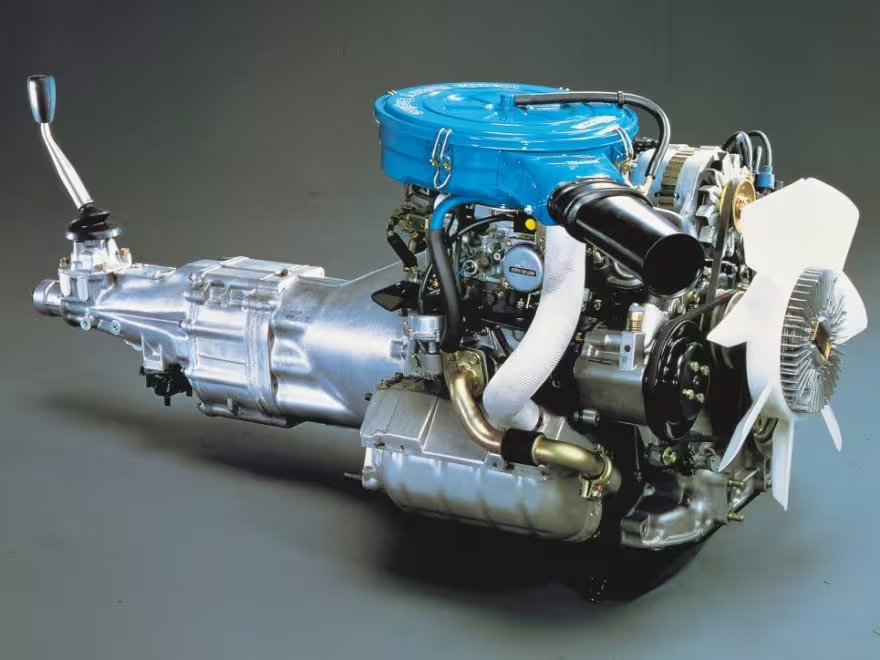
The rotary engine is a version of the internal combustion engine that is highly valued for its smooth operation and cooling efficiency. However, in an era where fuel economy has become essential, rotary engines struggle to meet the requirements. Manufacturers were already aware that this type of engine would not be suitable for a future where reducing consumption is paramount, thus paving the way for static engines. But then, why do rotary engines consume more fuel? Let’s examine the causes with some maintenance tips!
Key Points About Rotary Engines
Also known as the Wankel engine, the rotary engine was conceived and developed by Felix Wankel, who obtained his first patent for this type of engine in 1929. However, it was Hans Dieter Paschke who developed the commonly used version, incorporating significant improvements over the original model.
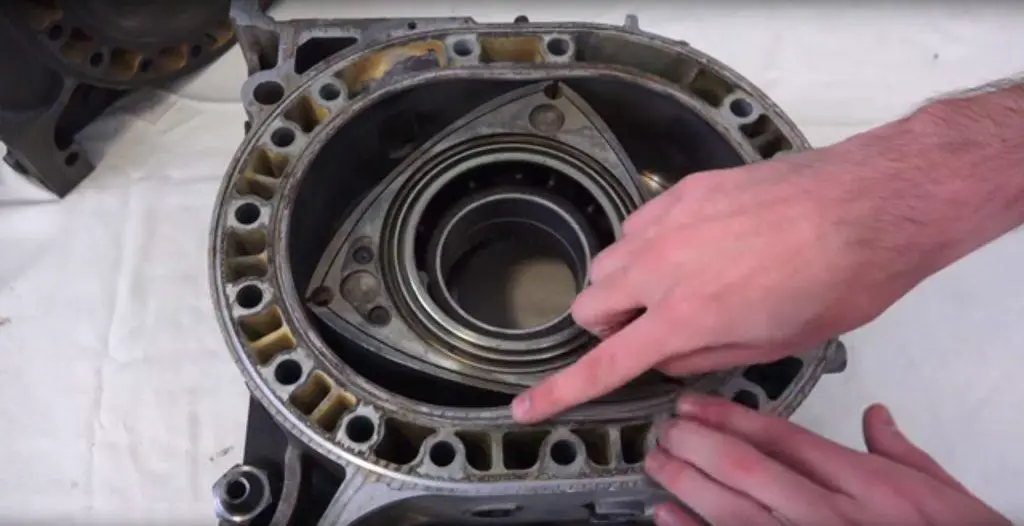
This type of engine became famous thanks to the Mazda RX-8. Unlike traditional engines that use cylindrical pistons in linear motion, the Wankel engine operates with a triangular piston in continuous rotation. With each rotation, the intake, compression, and exhaust phases continuously follow one another in the cylinder. This particular mechanism gives rotary engines advantages such as their lightness, reduced manufacturing cost, and high capacity.
Why Do Rotary Engines Consume More Fuel?
The rotary engine is designed with a fixed crankshaft around which the rotor rotates. Although this design brings strengths, low energy efficiency remains a notable weakness.
- A Fuel-Hungry Engine
The main problem is that rotary engines often generate more power than they can efficiently handle. This extra power results in increased fuel combustion, especially at high RPM. Thus, the rotary engine has lower energy efficiency compared to other types of engines, which explains its poor mileage range.

2.Sealing Issues
The different chambers of a rotary engine operate at varying temperatures, which creates sealing challenges. Due to different coefficients of expansion between materials, leaks can occur at the seals, leading to a loss of combustion gases between the chambers. This waste of gases directly reduces the engine’s energy efficiency, resulting in increased fuel consumption.
- Low Compression Ratio
The compression ratio, which compares the maximum and minimum volume of the combustion chamber, is a key efficiency factor in internal combustion engines. In rotary engines, the optimal compression ratio generally reaches 11:1, lower than the higher ratios offered by modern gasoline engines. A higher ratio, around 10:1 or more for conventional engines, ensures better energy performance, which is not the case for rotary engines.
- Elongated Combustion Chamber
The combustion chamber design of rotary engines is relatively long and has a high surface-to-volume ratio. This factor complicates the cooling of gases, prolonging their cooling time and thus affecting fuel consumption. Inefficient cooling of gases in the combustion chamber therefore leads to increased fuel consumption.
- Fixed Ports and Valve Timing
Unlike traditional engines, rotary engines have no valves or camshafts, which limits the flexibility of valve timing. Without the ability to adjust the timing of the intake and exhaust ports, engine performance deteriorates. This lack of control contributes to the low energy efficiency of rotary engines, which require more fuel to operate.
In conclusion, although the rotary engine offers certain advantages, its weaknesses in fuel consumption are marked by a combination of structural and mechanical factors.
Why Is the Rotary Engine Not Commonly Used in Vehicles?
Despite its advantages, the rotary engine is rarely adopted by modern car manufacturers due to several notable limitations:
- Reduced Thermal Efficiency
Combustion in a rotary engine takes place in an elongated oval-shaped chamber, which limits thermal efficiency. This design often leads to unburned fuel being ejected into the exhaust system, thereby increasing fuel consumption and reducing the engine’s overall efficiency. - Longer Combustion Cycle
The rotary engine requires a long and continuous combustion cycle, which prolongs the rotor’s rotation time to complete a cycle. Moreover, the temperature variation between different parts of the rotor can cause uneven thermal expansions, reducing the lifespan of the rotary engine compared to conventional piston engines. - High Environmental Impact
Rotary engines struggle to meet emission standards, particularly in Europe. The engine’s simple structure can cause oil leaks, and fuel often escapes before being fully burned, leading to high pollutant emissions. This makes it difficult to comply with current environmental regulations.
In Conclusion
These characteristics explain why the rotary engine is not competitive in terms of fuel economy and durability. These engines are gradually being replaced by more environmentally friendly alternatives, as they no longer meet current requirements for reducing carbon footprint.