
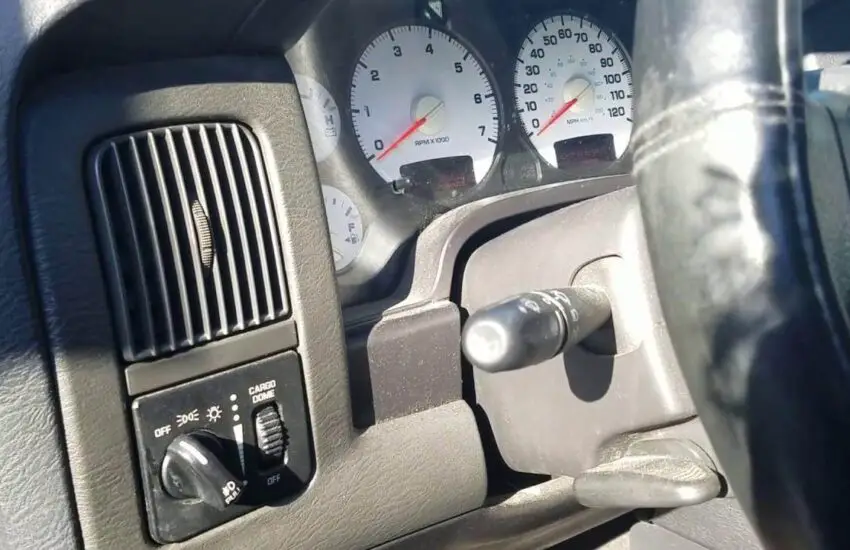
Unless you’re driving a car from 1990 or older, it’s likely equipped with an Electronic Throttle Control (ETC). Nowadays, most vehicles come with dozens of computer-controlled electronic systems, and ETC is one of them. Unlike older vehicles, there is no mechanical linkage between the accelerator pedal and the throttle in newer models. Instead, the ETC acts as the connection between these components. The Electronic Throttle Control warning light illuminates if there’s a problem with this system.
When you press the accelerator pedal, the ETC receives an electrical signal and sends control actions to manage the opening and closing of the throttle. When this cycle is disrupted for any reason, the ETC light on the dashboard starts flashing.
What is the Electronic Throttle Control Warning Light?
To begin, we’ll share with you the basic knowledge about your car’s electronic throttle control warning light. You might not know that the main responsibility of the electronic throttle control is to manage the throttle opening in the engine. Thus, the ETC (Electronic Throttle Control) light is an indicator that alerts drivers when the throttle control system has a problem.
When the ETC light comes on the car’s dashboard, it means one of the parts in the throttle control system is malfunctioning, such as a faulty throttle position sensor, a stuck throttle, or an issue with the system’s wiring or connections. This can cause various symptoms, like reduced engine power, poor acceleration, and difficulty maintaining a constant speed. If the ETC light illuminates while you’re driving, it’s important to have your car inspected by a qualified mechanic as soon as possible to diagnose the underlying issue and prevent potential safety risks.
Reasons Why the Electronic Throttle Control Light Comes On
Any malfunction in the ETC system triggers an OBD-II trouble code stored in the Engine Control Module (ECM). A mechanic will use a digital scanner to retrieve the codes and determine the source of the problem. After that, it’s about taking the appropriate repair measures.
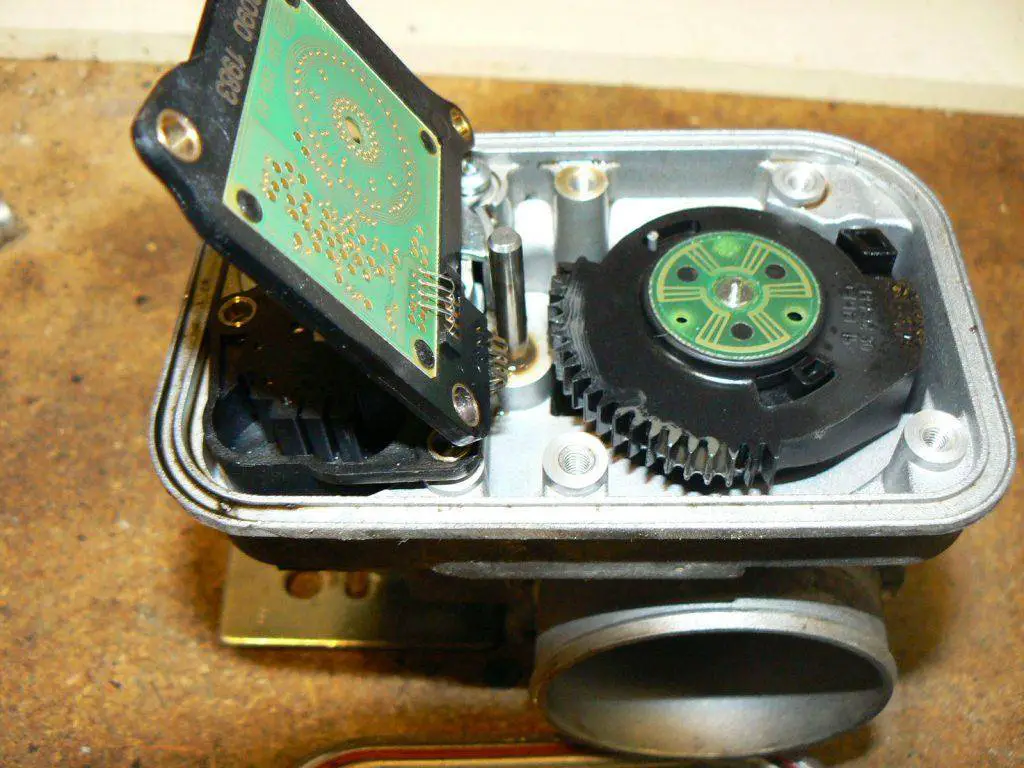
Nevertheless, knowing the causes of a flashing electronic throttle control warning light will give you a head start on the repair work to expect.
1. Erratic Throttle Operation
One of the most common electronic throttle control problems is intermittent throttle response.
As you already know, the ETC controls the throttle via an electrical signal. The system cannot function when something disrupts the signal, such as an issue with the control relay, a loose electrical wire, or a damaged sensor.
In any case, the throttle control will lose signals, causing it to work correctly at times and not at others. The problem will affect the car’s acceleration and could lead to a complete loss of accelerator pedal control or the car stalling.
You should stop driving when the vehicle does not accelerate when you press the accelerator pedal. Tow it to a service center and have them diagnose the problem.
2. Accelerator Hesitation or Stumbling
Damage to the throttle control is another instance when the electronic throttle control warning light illuminates. This causes erratic system operation leading to hesitation or a stumbling effect during acceleration when you engage the throttle.
The acceleration issue can lead to major safety risks. The worst-case scenario is a stuck throttle which could result in road accidents. So, take the car to a mechanic when it shows symptoms.
3. A Significant Drop in Fuel Mileage
A flashing electronic throttle control light can be linked to a sudden change in fuel economy. You may need to fill up the tank more often than usual. This happens due to a damaged throttle controller. The system controls the air-fuel mixture entering the engine. Faulty signals can disrupt the system, causing the engine to consume more fuel than necessary.
4. Limited Acceleration
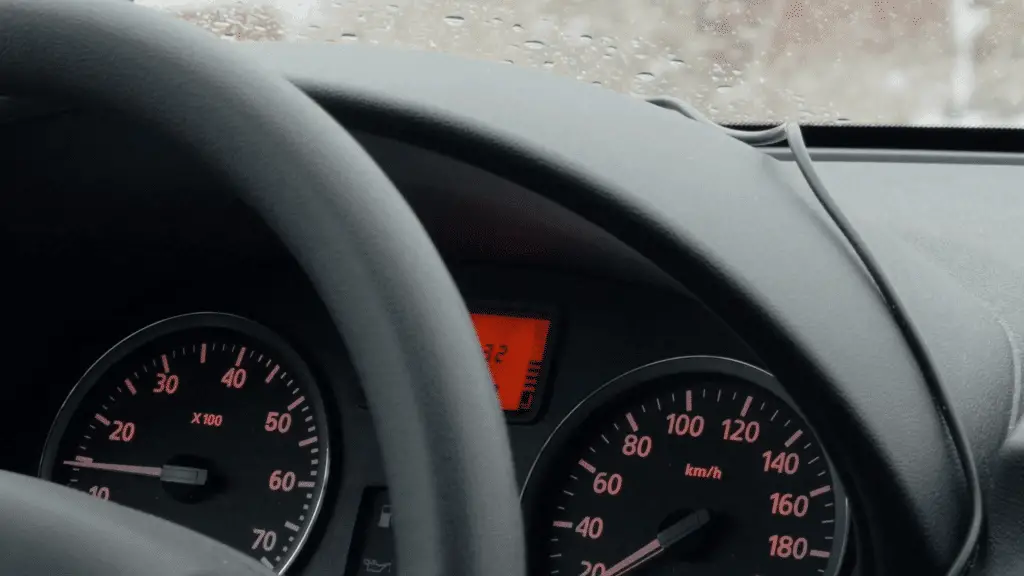
A severe ETC system failure will also cause the electronic throttle control warning light to come on. The problem can put the engine into limp mode. When this happens, the car cannot accelerate beyond a fast idle. The ECM limits the speed to protect the engine from further damage.
5. Damaged Accelerator Pedal Position Sensor
The accelerator pedal position sensor is responsible for detecting the position of the accelerator pedal and relaying this information to the engine control module. If this sensor is faulty, it can cause the ETC light to illuminate.
6. Wiring Problem
Wiring issues can occur in any part of the ETC system, including the throttle body, accelerator pedal position sensor, and engine control module. If there is a problem with the wiring, the ETC light may come on.
7. Failing Engine Control Module
The engine control module is responsible for controlling the ETC system. If the engine control module fails, the ETC light may illuminate.
Learn how to fix the problem when the electronic throttle control light is flashing in this video:
Should I Drive When the Electronic Throttle Control Light Is On?
Of course, it is not recommended to drive when warning lights are illuminated on the car’s dashboard, including the electronic throttle control light, especially when this light is flashing. It’s a warning sign indicating there is a problem with the ETC system, and it can directly affect throttle response and engine performance.
Therefore, our advice is this: if the ETC light is on, you should take your vehicle to a qualified mechanic as soon as possible to diagnose and repair the issue. Continuing to drive with a faulty ETC system can lead to further damage to your vehicle and may also pose a safety risk.
In some cases, the ETC system may go into a “safety mode” when a problem occurs, meaning engine power may be reduced to prevent further damage. If this happens, you might still be able to drive your vehicle to a safe location or to a repair shop, but you should do so cautiously and at reduced speed. In any case, it’s best to have your vehicle inspected by a qualified mechanic as soon as possible when the ETC light comes on to ensure your safety and prevent further damage to your vehicle.