
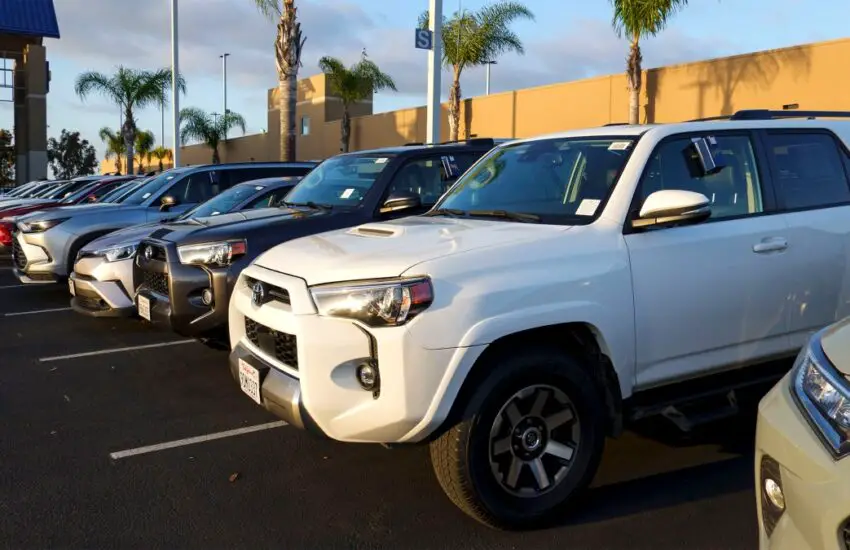
The Rise of Salvage Title Vehicles on Dealer Lots
The economic pressures reshaping the automotive market are profound. With new car prices reaching record highs, a significant shift is occurring. Traditional dealerships, facing inventory shortages and squeezed buyer budgets, are increasingly sourcing and selling vehicles with salvage or rebuilt titles. This trend marks a major departure from past practices, where such cars were primarily found through private sellers or specialty auctions.
Economic Drivers Behind the Trend
The primary catalyst is simple: affordability. As the average price of a used car remains elevated, salvage title vehicles offer a substantial discount, often 20-40% below the market value of a clean-title equivalent. For buyers priced out of the conventional market, this discount provides a viable path to vehicle ownership. For dealers, it represents an opportunity to attract a broader customer base and move inventory in a challenging economic climate.
Understanding the Risks and Protections
A salvage title is issued when an insurance company declares a vehicle a total loss, typically due to accident damage, flood, or other major incidents. A “rebuilt” title means the car has been repaired and passed a state-mandated safety inspection. The critical consideration for buyers is the nature and quality of the repairs. Potential risks can include hidden structural damage, compromised safety systems, and future mechanical issues. Furthermore, insuring and later reselling a rebuilt-title vehicle can be more difficult.
A Changing Marketplace
This shift requires heightened diligence from consumers. It is essential to obtain a detailed vehicle history report, invest in a thorough pre-purchase inspection by a trusted, independent mechanic, and understand your state’s specific rebuilt title laws. While the value proposition is clear, the purchase of a salvage title car from a dealer is not a decision to be made lightly. It represents a calculated trade-off between significant upfront savings and potential long-term costs.