
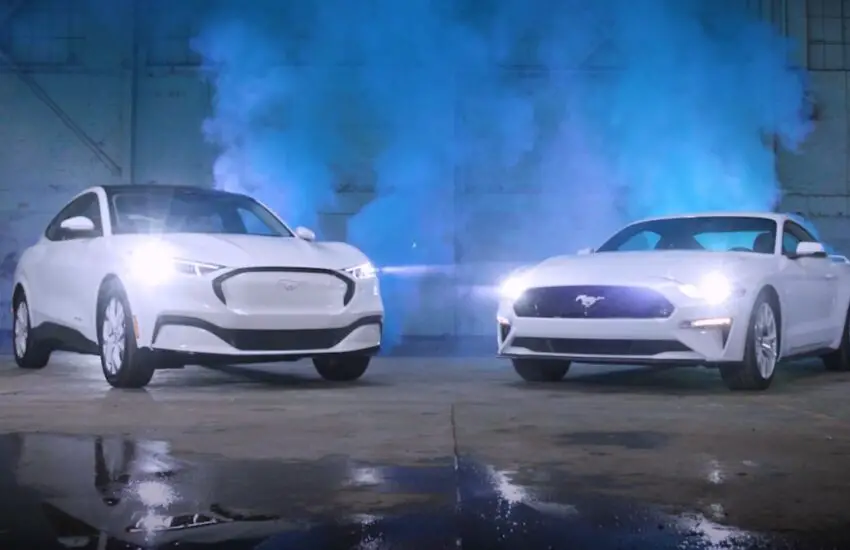
The Automotive Name Recycling Phenomenon
Over the past decade, automotive enthusiasts have witnessed a curious trend: manufacturers digging through their archives to resurrect retired model names. From electric SUVs bearing legendary sports car badges to modern crossovers carrying historic station wagon monikers, this practice has become increasingly common across the industry. While these new vehicles often share little beyond their nameplates with their predecessors, the strategy reveals sophisticated marketing approaches that transcend simple nostalgia.
Beyond Mere Sentimental Value
At first glance, reviving old model names might appear to be a straightforward appeal to consumer nostalgia. However, the reality involves calculated business decisions with multiple strategic advantages. Established names carry built-in recognition that can shortcut years of brand-building efforts. When consumers already possess positive associations with a name, manufacturers can leverage this existing emotional capital to accelerate market acceptance.
Marketing Efficiency and Instant Recognition
Launching a new vehicle requires massive marketing investment to establish name recognition. By resurrecting a familiar name, automakers bypass this initial hurdle. Names like “Blazer” or “Bronco” immediately evoke specific imagery and emotional responses in target demographics, creating marketing efficiency that new names cannot match. This recognition provides an immediate competitive advantage in crowded market segments.
Bridging Heritage and Innovation
As automakers transition to electric vehicles and new technologies, familiar names help maintain brand continuity. Using historic names on innovative products creates a psychological bridge between trusted heritage and unfamiliar technology. This strategy reassures consumers that while the technology may be new, it comes from a brand with proven legacy and reliability.
Global Market Considerations
Some revived names work better internationally than others. Manufacturers carefully select names that translate well across cultures and languages, avoiding unintended meanings. Previously successful global names often get priority for revival since they already have established international recognition and positive connotations in multiple markets.
The Future of Automotive Naming
As the automotive industry continues evolving toward electrification and autonomy, we can expect more classic names to return. However, manufacturers must balance nostalgia with relevance, ensuring that resurrected names align with contemporary values and technological capabilities. The successful revival of these names demonstrates how automotive history can be leveraged to drive future success.