
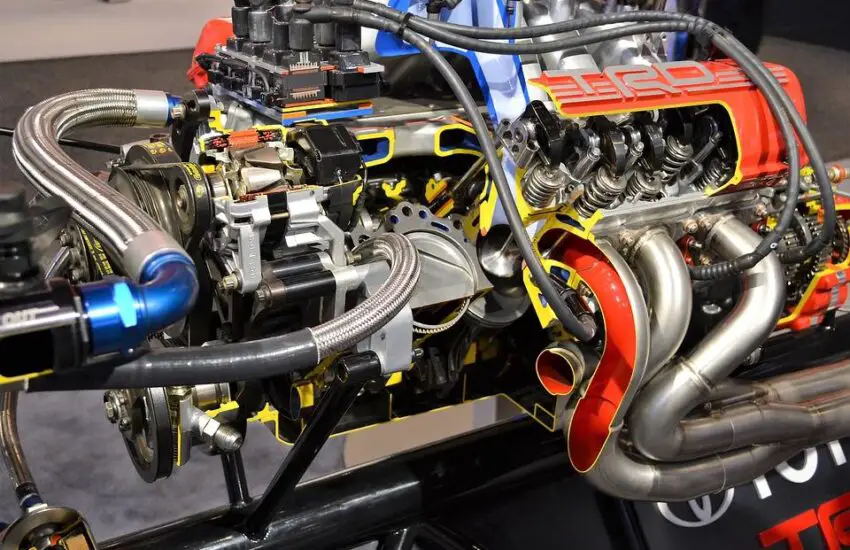
Diesel cars have an incessant relationship with knocking noise. Diesel engine manufacturers have taken all necessary measures to eliminate these irritating noises, but the result is always the same. The noise from diesel engines has nothing to do with weather conditions and temperature. One might wonder: “Why are diesel engines so noisy?” Many reasons are responsible for the noise made by diesel engines.
Let’s find the reasons that cause noise inside the diesel engine!
Basic Information on Gasoline and Diesel Engines
Gasoline Engines
A vehicle powered by a gasoline engine compresses the mixture of gasoline and air to the appropriate pressure. At the end of the compression stroke, the spark plug ignites the compressed mixture. The piston pushes from top dead center to bottom dead center due to the heat generated by this process. As a result, the crankshaft rotates and transmits motion to the transmission and then to the wheels. Gasoline engines cannot do without spark plugs; this is also a sign of the gasoline engine’s fuel supply system.
Diesel Engines
Unlike gasoline engines, diesel/oil engines do not need spark plugs to create a spark to ignite the intake air mixture. At the end of the compression period and the beginning of the expansion combustion period, diesel oil will be injected into the diesel engine’s combustion chamber. Under the influence of the high temperature and pressure of the compressed air, spontaneous combustion will occur.
Furthermore, some diesel/oil engines are equipped with an additional glow plug. In winter, the compressed air does not create sufficient temperature and pressure, which can cause spontaneous combustion upon diesel injection. The reason is that the engine’s combustion chamber is too cold. At that point, the glow plug has the effect of heating the combustion chamber before starting the engine.
Why Are Diesel Engines So Noisy? The Main Reasons
The knocking noise from diesel engines comes from the combustion and the mechanism under the hood. The main reason for the knocking noise is the pressure buildup inside the engine. A diesel engine operates on a pressure mechanism that causes a lot of noise when it starts running. Vibrations from the engine structure also cause knocking in diesel engines.
Let’s talk about some specific factors that make diesel engines noisy.
1. Vibrations Inside the Engine’s Internal Surface
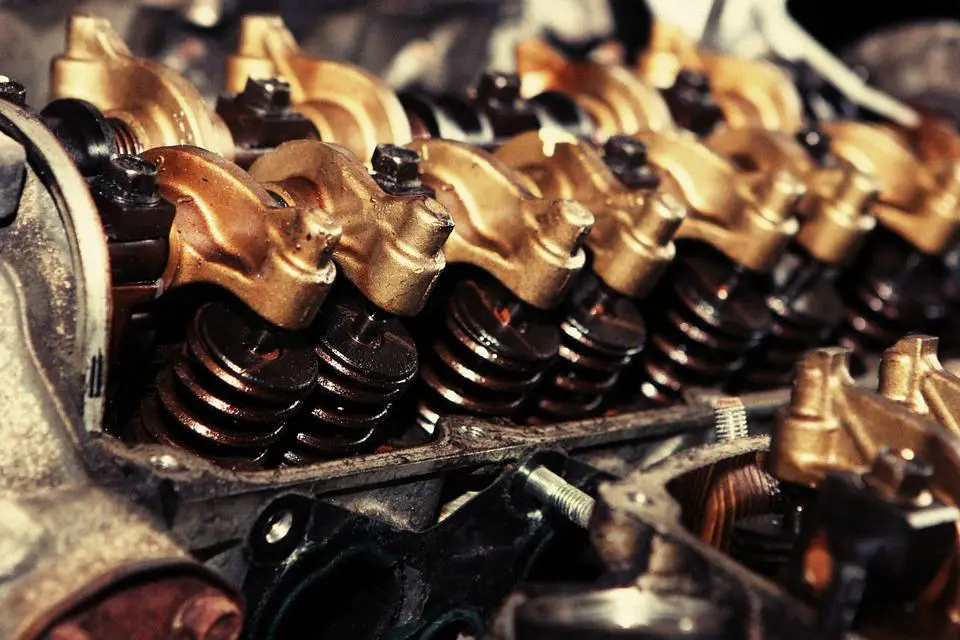
A diesel engine is composed of many small parts that function correctly. These small parts cause vibrations after the ignition is turned on. The small valves, oil pipes, and metal caps produce a lot of noise. So, have you found the answer to why diesel engines make so much noise? If not, let’s find out more about the reasons why diesel engines are so noisy.
2. Combustion and Pressure
Combustion inside the engine produces high pressure to move the car forward. The combustion force of a diesel engine is the main force that accelerates the car to its maximum speed. The noise from a combustion force can exceed 5,000 Hz. This amount of force and pressure through a machine always results in irritating noise. This is why manufacturers place multiple layers of coating on the engine structure to reduce noise as much as possible.
3. Surface and Accessory Vibrations – Outer Surface
The force inside the diesel engine also causes the car’s outer surface and accessories to vibrate. This high pressure inside the car’s engine makes the entire outer surface of the engine and its parts vibrate. The automobile’s structure starts to shake when the engine is running. The cause of this is that every part of a diesel engine is excited in the same way, as another explanation for your “Why are diesel engines so noisy?“
4. Size of Engine Parts
The size of the diesel engine plays a crucial role in the noise. This is because the small engine parts start to wear out much more often than the larger ones. Noise problems are often present in small diesel engines. Irregular maintenance and services can lead to poor performance and noise from diesel engines. Following professionals’ maintenance tips would be highly appreciated.
5. Use of a Turbocharger
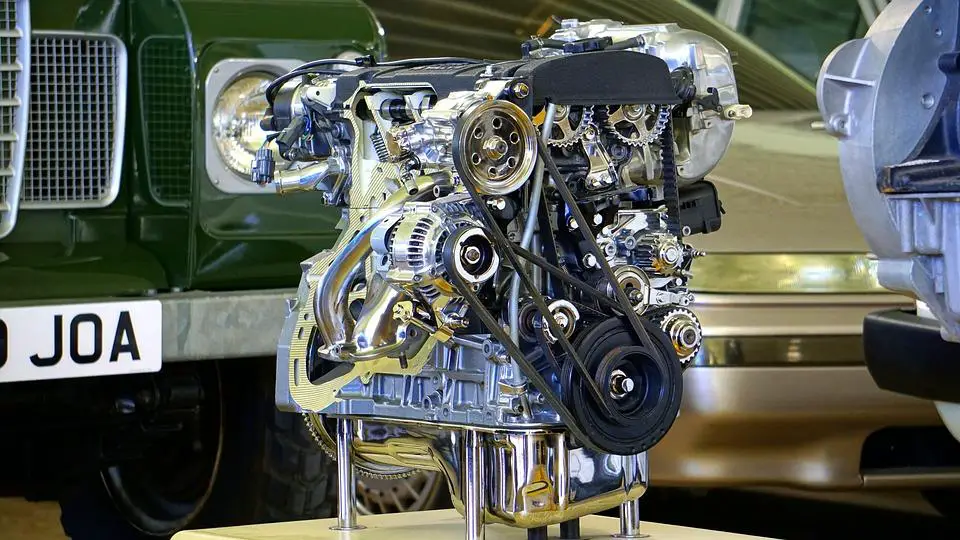
Most diesel engines are equipped with at least one turbocharger. A turbocharger is essentially an exhaust gas-driven compressor that forces more air into the engine. This way, the engine receives more air without increasing the RPM. With the right amount of additional fuel, a diesel engine can produce the same maximum power as a gasoline engine while offering superior torque and fuel economy.
When the engine runs at high speed, the exhaust gases are released faster and cause the turbine to spin faster. Sometimes, the rotational speed can reach over 100,000 RPM.
Final Words
Overall, here are some reasons why diesel engines are so noisy. At this point, do you have the answer to the question: why are diesel engines so noisy?