
 |
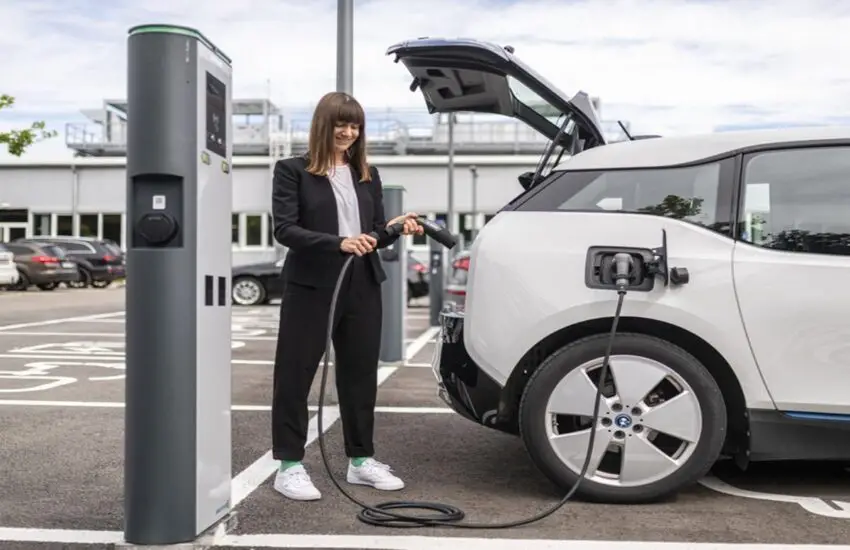
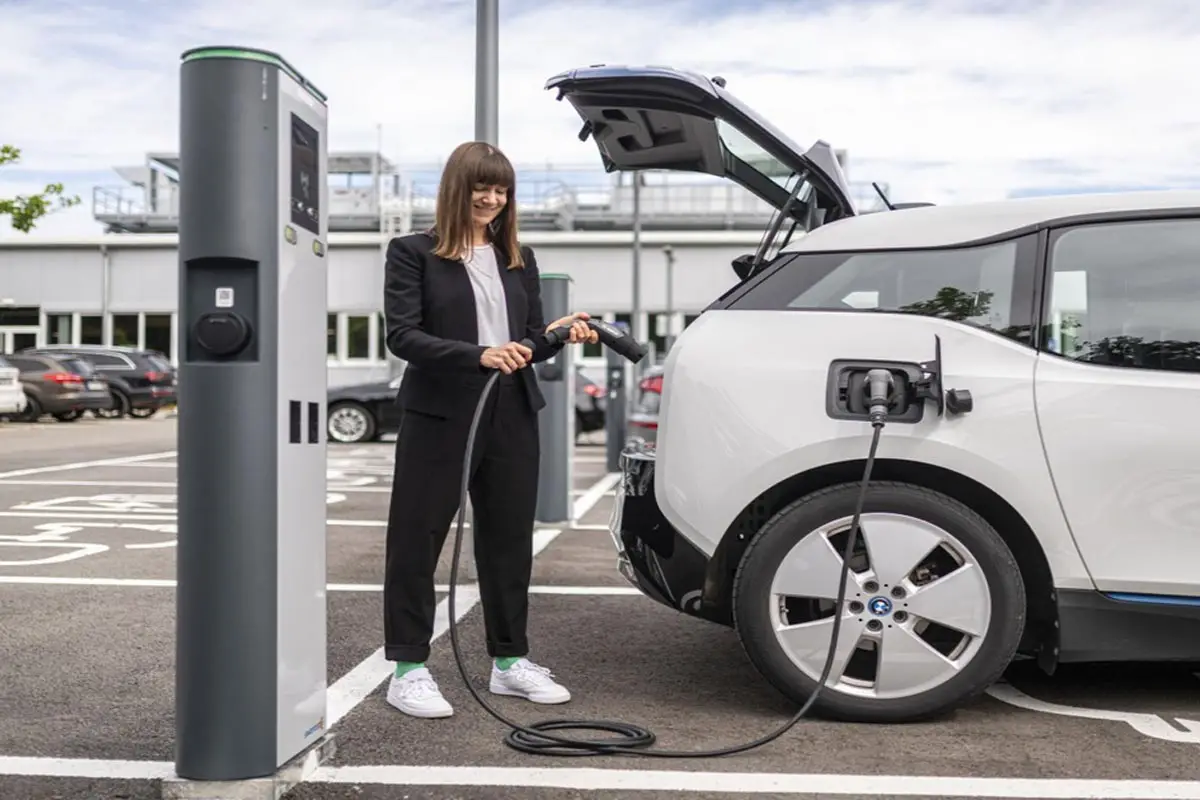
What is a charging cable used for? The charging cable is simply the “hose” that allows electricity to flow from the charging station to your battery. It is an essential accessory, but choosing one can be confusing. This guide helps you select the right cable for your needs. |
Understanding Types of EV Charging Cables
There are mainly two main families of cables: the domestic (or occasional) charging cable and the cable for fast charging stations.
The Standard Charging Cable (Type 2 to Type 2)
This cable is the most common for charging at public stations and home wallboxes. Equipped with Type 2 connectors at both ends, it typically supports power up to 22 kW in three-phase or 7.4 kW in single-phase.
The Domestic Charging Cable (Type E/F to Type 2)
Also known as an “emergency” or “occasional” cable, this model allows you to plug your car into a reinforced domestic socket (green T2/T3 socket). It is essential for emergencies but is not designed for intensive daily use.
Key Criteria for Choosing the Right Cable
Several factors should be considered to make the right purchase.
Cable Length
Choose a length that suits your usage. A cable that is too short may restrict you, while one that is too long is bulkier and more expensive. Measure the distance between your wall socket and your vehicle’s charging port to guide your choice.
Supported Power
Check the maximum power (in kW) that the cable can handle. It must be compatible with the power of your home charging station or your vehicle. A 22 kW cable offers greater versatility.
Our Tips for a Successful Purchase
Always prioritize a certified cable that meets European standards. Check the compatibility of the connectors with your car (Type 1, Type 2, CCS…). Finally, choose a robust model with a quality protective sheath for long-lasting use.