


WHAT IS AN ALTERNATOR BELT?
The car alternator is essentially a power generator that keeps the car battery charged and allows it to continuously power the main electrical components of the car. Without it, the battery would quickly discharge as it does not have the ability to power all components for long periods. The alternator is attached to the engine by brackets and bolts. It is powered by the crankshaft mechanism and driven by a belt.
In the past, car engines used several separate belts, such as V-belts, for different engine units. The alternator was driven by a separate drive belt, which wrapped around the crankshaft and alternator pulleys. Nowadays, the vast majority of vehicles use a single belt, known as a serpentine belt, to drive multiple units, including the alternator, power steering pump, water pump, and air conditioning system unit. These ribbed belts are designed to maintain as much contact with the pulleys as possible to increase the power transmitted. If the belt is damaged, these units will stop functioning, and as a result, the car’s power system could shut down.
WHEN TO REPLACE THE BELT
V-belts typically last up to 4 years or 40,000 miles; however, the new serpentine belts can last much longer and are generally easier to maintain. The average serpentine belt can last between 60,000 and 100,000 miles. Ethylene Propylene Diene Monomer (EPDM) belts are more durable than standard belts and can be used for about 10 years before needing replacement.
However, several issues can arise as the alternator belt ages. For example, it may start to fray, wear out, crack, or peel, as well as become loose or misaligned. Replacing the belt in time is the best way to prevent the system from shutting down while the car is on the road and to avoid serious damage to the driven components and the car battery.
CAUSES OF ALTERNATOR BELT PROBLEMS
SYMPTOMS OF A LOOSE ALTERNATOR BELT
Here is a list of the most common symptoms to help you identify when your belt needs to be replaced due to loss of contact or tightening.
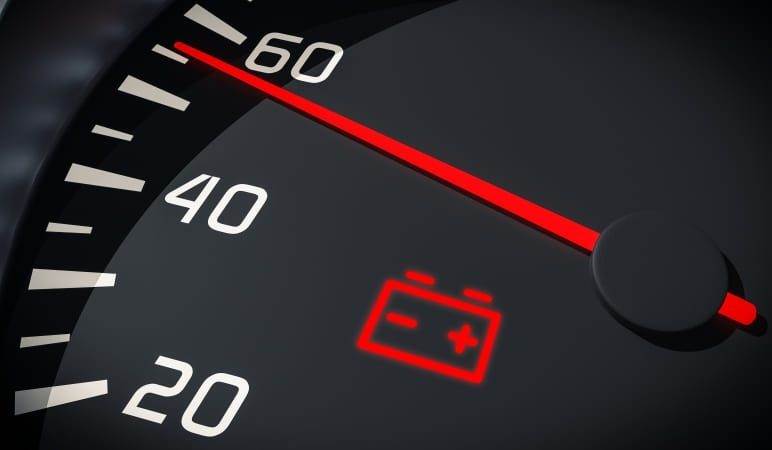
- iThe battery warning light comes on. This should be one of the first major warning signs, although it is important to investigate all possible causes.

- iThe car’s headlights start to flicker or appear dimmer than usual. This could be a sign of battery and alternator problems. The flickering may persist for a while before the lights eventually stop working due to lack of power.
- iA loud squealing or screeching noise comes from the engine compartment. These noises are caused by increased friction with the pulley components.
- iThe vehicle stalls frequently. If the belt is too loose or slipping, it could force the engine to stall or shut down. This could be very dangerous if the car is on a busy road or highway.
- iThe car battery is dead. If the problem is severe, the battery will not be able to maintain its charge and could die shortly after starting the car.
CAN I REPLACE THE ALTERNATOR/SERPENTINE BELT MYSELF?
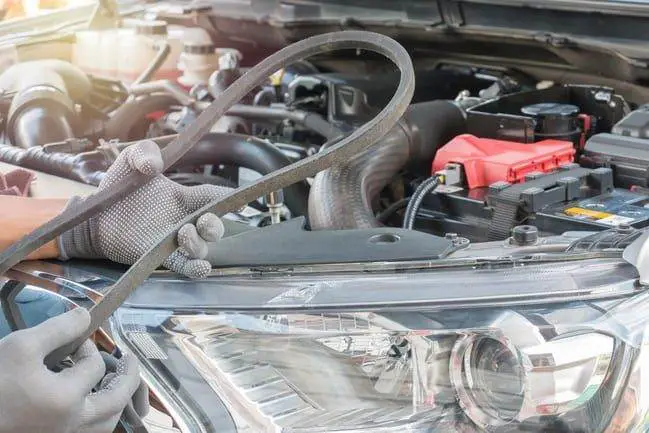
Of course you can. As long as you have the right tools and skills, you should be able to replace this component yourself at home. However, you will also need to replace other broken or worn parts, such as the belt tensioner.