
Determining whether repairing a car is a significant financial and practical decision is an important choice. This guide will help you assess the costs and benefits to decide if it’s time to say goodbye to your vehicle.
Factors to Consider When It’s Not Worth Repairing a Car
Repair Costs vs. Vehicle Value
The first step in deciding whether to repair or replace your car is to compare the cost of repairs to the overall value of the car. It’s essential to calculate both figures accurately. To determine the cost of repairs, get detailed estimates from several reputable mechanics.
These estimates should outline the necessary parts and labor. Consider additional costs such as taxes and fees.
At the same time, assess the current market value of your car. Online tools like Kelley Blue Book and Edmunds can provide estimated values based on your car’s make, model, year, mileage, condition, and location. Keep in mind that these are estimates, and the actual value of your car may vary.
Once you have both figures, compare them. If the cost exceeds a significant percentage of the car’s value (often around 50%), it may be more financially prudent to consider replacing the vehicle.
However, this is only one factor to consider, and other elements, such as the car’s age, safety, and your personal situation, should also be taken into account.
Age and Mileage
Another element to consider when determining if repairing a car is not worth it is its age and the mileage on the odometer. Newer models often incorporate advanced engineering and materials that can enhance durability and performance.
However, even the newest cars can encounter unexpected problems. While age is a general indicator, other factors should be considered.
Mileage is another determining factor of a car’s condition. High mileage is typically associated with increased wear on components such as the engine, transmission, and brakes.
Driving conditions, however, play a crucial role. A car that primarily travels on highways may experience less wear than one subjected to stop-and-go city traffic. Regular maintenance and careful driving habits can mitigate the impact of high mileage.
Beyond age and mileage, the overall condition of the car is paramount. Factors such as rust, body damage, and interior wear can provide clues about its history and potential future problems.
A well-maintained vehicle with a documented maintenance history is more likely to provide reliable transportation. Conversely, a car with a neglected past may require significant investments to restore its reliability.
Safety Issues
Determining when it’s not worth repairing a car is a complex decision influenced by various factors, including safety.
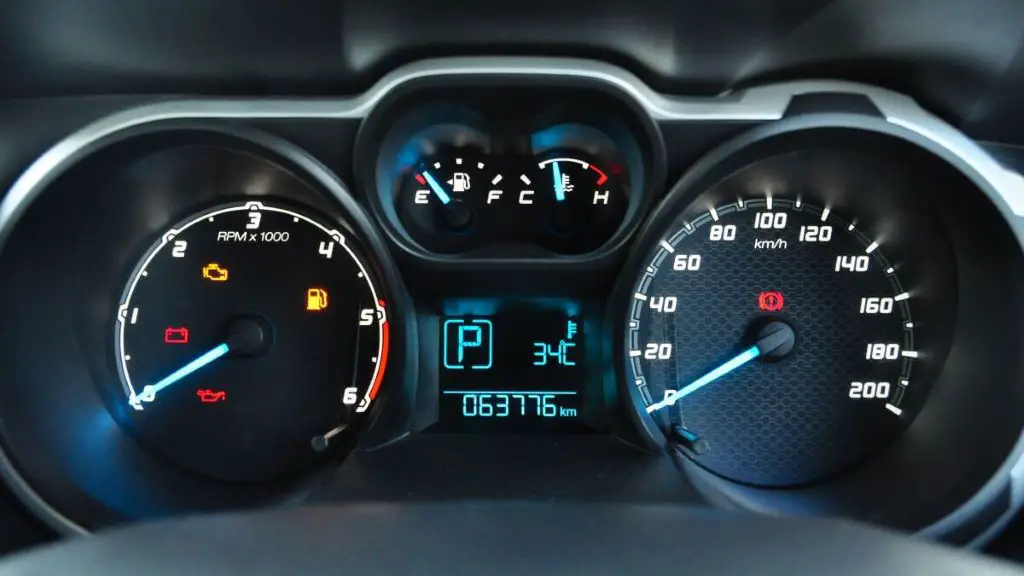
In case of a safety issue, prioritize your well-being and that of others. Start by identifying essential safety components, such as brakes, steering, and airbags.
Assess the risk of driving with unresolved safety problems. Even seemingly minor issues, like worn brake pads or faulty steering, can escalate into dangerous situations.
Consider the severity of the problem, its potential impact on your ability to control the vehicle, and the likelihood of a sudden breakdown. A car with significant safety issues poses a higher risk of accidents, which could lead to serious or fatal injuries.
Compare the safety features of your car with those of newer models. Technology evolves rapidly, and modern vehicles are equipped with advanced safety systems such as lane departure warnings, automatic emergency braking, and adaptive cruise control.
If your car lacks these features and the cost of repairs is high, it may be wiser to consider a newer, safer car. Remember that investing in safety is an investment in your well-being and peace of mind.
When safety is compromised, you must always carefully assess the risks and prioritize your safety and that of others.
If the cost of repairs outweighs the safety benefits, or if the severity of the problems raises significant concerns, it may be time to consider a safer alternative.
Frequency and Cost of Repairs
The decision to repair or replace a car often boils down to one fundamental question: how much does it cost to keep it running? A steady stream of repair bills can quickly erode your budget, and the cost of repairing your old car may exceed the car’s value.
To determine if it’s time to let go of your vehicle, analyze your repair history. Track each repair by noting the problem, cost, and date. This data can reveal patterns of breakdowns, helping you forecast future expenses.
Assess whether the frequency and cost of repairs are trending upward. Are you constantly facing the same issues or needing major repairs more often? This indicates that your car may be approaching the end of its useful life.
Remember to account for the cost of routine maintenance, such as oil changes and tire rotations, which can also add up over time.
It’s difficult to predict future repair costs, but you can estimate the likelihood of major problems based on your car’s age and mileage. Consider potential repairs such as engine replacement, transmission overhaul, or bodywork.
Keep in mind that these repairs can be extremely costly and exceed the value of your vehicle. If the cost of future repairs seems insurmountable, it may be time to consider a newer car.
Environmental Impact
While an old, reliable car might seem appealing for your wallet, consider the environmental impact of keeping an aging vehicle on the road. Newer cars are often equipped with fuel-efficient engines and cleaner emission systems, reducing their carbon footprint compared to older models.
By opting for a newer, more fuel-efficient vehicle, you can reduce your dependence on fossil fuels and contribute to cleaner air.
Assessing the environmental impact of disposing of an old car involves understanding end-of-life processes.
While some parts can be recycled, others may end up in landfills. The overall impact depends on factors such as the materials used in the car’s construction and the methods used for disassembly and recycling.
However, the responsible disposal of an old car can be a more sustainable option than continuing to drive it and releasing harmful emissions into the environment.
The decision to keep or replace your vehicle should also take environmental factors into account. While older cars may seem reliable and affordable, they often contribute more to air pollution and resource depletion.
Remember that you can always make a more informed decision that aligns with your personal values and contributes to a more sustainable future.
Alternatives to Repairing or Replacing Cars
Car Sharing
You now know when a car repair is not worth it and, unfortunately, giving up car ownership entirely might seem radical. However, carpooling or public transportation could be a game-changer. These options are perfect for your short-term needs.
Car sharing may seem more expensive at first glance, but it can save you money compared to monthly payments and ongoing expenses. Public transportation, if accessible and reliable in your area, can be an affordable and environmentally friendly choice!
Buying Used Vehicles
For those seeking the freedom of owning their own vehicle, buying a used car can be a smart alternative to a new model. Used cars offer a significant price advantage over new cars, allowing you to potentially purchase a higher-quality vehicle within your budget.
Factors such as age, mileage, and maintenance history can tell you a lot about the car’s past and potential future.
As always, buying used cars carries risks, just like wondering when it’s not worth repairing a car, so be mindful of making choices that are suitable and optimal for your finances and needs!

FAQ
- How does parts availability influence the decision to repair a car?
If spare parts for your car become scarce or are only available through specialized suppliers or aftermarket parts, repair costs can skyrocket.
This could be a sign that the car is no longer worth repairing, as finding replacement parts could become increasingly difficult and expensive.
- Can insurance costs influence the decision to repair a car?
As cars age and their value decreases, insurance premiums do not necessarily decrease accordingly. If the cost of insuring your car remains high while its market value is low, this can be another factor indicating that it’s not worth repairing.
- Is there a point where a car’s safety features become obsolete enough to justify replacement?
Modern cars are equipped with advanced safety features such as lane departure warning, automatic emergency braking, and adaptive cruise control.
If your car lacks these features, the additional risk might justify considering a replacement rather than investing in costly repairs.
- Can the emotional stress from frequent breakdowns be a sign that it’s time to stop repairing a car?
Constant repairs and the anxiety of potential breakdowns can harm your mental health.
If the stress of dealing with an unreliable vehicle affects your quality of life, consider moving on, even if the car is technically repairable.
- How do lifestyle changes influence the decision to stop repairing a car?
If your lifestyle has changed, for example, if you need more cargo space, better fuel efficiency, or a more reliable daily vehicle, your old car might no longer meet your needs.
In this case, repairing it might not be worth it compared to purchasing a vehicle better suited to your current situation.
Conclusion
Determining when it’s not worth repairing a car requires careful consideration of various factors.
While the desire to repair your vehicle to extend its lifespan is tempting, the financial implications, safety issues, and overall condition of the car must be weighed against the costs and potential risks!