
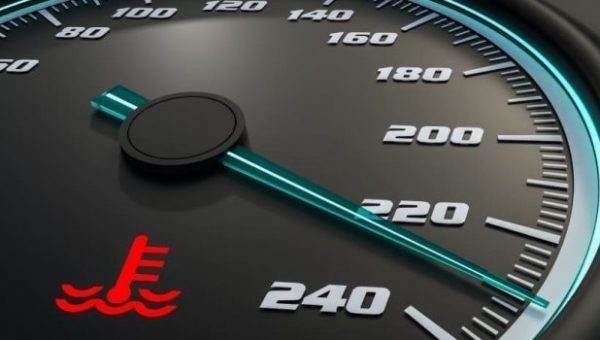

Seeing steam escaping from under your car’s hood can be deeply troubling at best, but we’re here to help! It’s essential that you can spot the signs of an overheating car engine and react quickly and calmly to ensure your safety, as well as that of your car. This guide will give you everything you need to know to protect your vehicle from heat damage, providing advice on how to extend your engine’s lifespan.
SYMPTOMS OF AN OVERHEATING CAR
Spotting the signs early will help you avoid irreversible damage to your car’s engine. Here are some of the most common overheating symptoms:
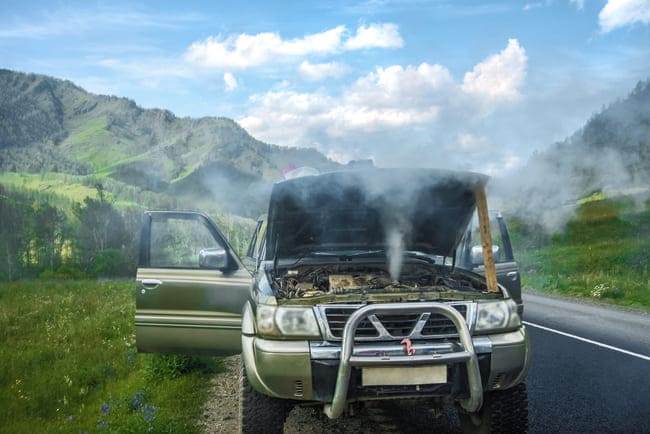
WHY IS MY CAR OVERHEATING?
Although most modern cars are equipped with advanced cooling systems, they are not immune to failures. There are many possible causes of an overheating car engine. Vehicles typically overheat when heat cannot dissipate properly in the engine compartment. For example, this could be due to a blockage in the coolant hose or a car coolant leak, or a faulty radiator fan or water pump. It can also occur due to stifling summer weather conditions or a serious issue with the ignition system.
5 SIMPLE STEPS TO FOLLOW
- Make sure the air conditioning is off and turn on the heater
Turning off the air conditioning will reduce stress on your engine. Increasing the heat might go against your natural instincts, but it will help redirect heat from the engine to the interior. This might be a bit uncomfortable for the driver and passengers, but it should help.
- Pull over in a safe place
Driving an overheated car should be avoided at all costs. The best thing to do is to move away from oncoming traffic and turn off the engine to let it cool down. If you consider opening the hood, make sure to do so from inside the car, as the hood surface and internal components can be extremely hot. Please note that boiling fluids or steam may escape from the engine when the hood is opened.
- Let the engine cool for 30 minutes
Never open the radiator cap or expansion tank cap before the engine has cooled down. This could result in serious burns.
- Once the unit has cooled, check the coolant reservoir
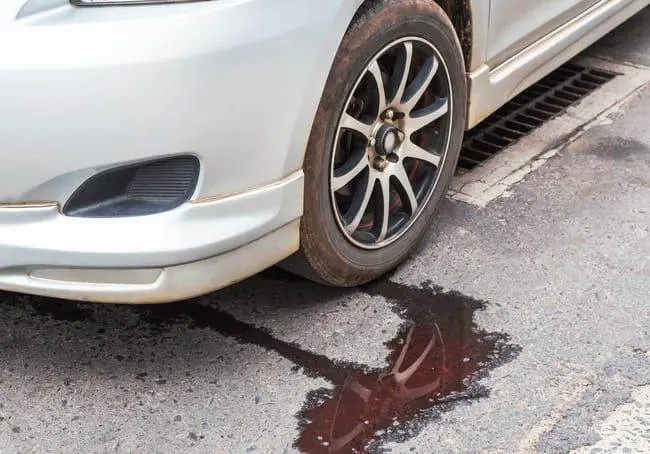
If the coolant levels are low or the reservoir is empty, there might be a leak. Check under the vehicle for puddles of water or spots of smelly fluid. If the coolant is low but no leak is detected, you can top it up if you have a bottle of antifreeze and water on hand.
- If necessary, call a breakdown service or a mechanic for help
It would be a good idea to have the cooling system and engine components inspected by a professional at a service station to find the root of the problem as soon as possible.
HOW TO PREVENT YOUR CAR ENGINE FROM OVERHEATING
Tip 1: Regularly inspect the cooling system and coolant
Checking antifreeze and water levels is essential to maintaining a healthy operating temperature. The cooling system flush interval depends on the vehicle’s make and model. Some newer coolants can last up to 5 years or 100,000 miles; however, experts generally recommend changing fluids every 40,000 miles. If you notice discoloration or debris, it’s time to have the system repaired.
Tip 2: Be prepared
It might be wise to keep a bottle of fresh antifreeze on hand in case you need it while traveling. Please note that it will need to be mixed with water in the correct mixing ratio.
Tip 3: Park in shaded areas in summer or on sunny days
This will help keep your car and its interior cool. You can also invest in quality car sunshades.