

Discover the relationship between tire pressure and temperature as well as between tire pressure and altitude, and how these two factors can affect your car’s tires.
Temperature and altitude are the two main factors that can significantly affect tire pressure.
You should have performed regular tire maintenance on your car if you live in a city where you can go up and down hundreds of meters in altitude within a few hours or experience temperatures ranging from 35 to 80 degrees in just one week!
Tire Pressure and Temperature
There is a proportional relationship between tire pressure and temperature. The air inside a tire expands when the temperature rises, leading to an increase in air pressure.
Conversely, a tire deflates at low temperatures because the air pressure decreases.
Thus, temperature changes can result in underinflation or overinflation of your tires, thereby accelerating the tire wear process.
Tire Pressure and Altitude
The proper air pressure inside a tire depends on the air pressure of the external environment. Driving your car in an area at a different altitude means there is a change in the external air pressure around the tires.
Higher altitude means less air resistance, resulting in an increase in the pressure level inside the tires.
Similarly, a decrease in altitude will have the opposite effect. So, remember to adjust the atmospheric pressure to the correct level when traveling to a location with a different altitude.
How to Determine the Correct Tire Pressure?
You can find out the standard tire pressure for your car by measuring the weight and size of the tires. Refer to your vehicle’s manual and check what is stated as the correct tire pressure.
You can measure the pressure yourself using a pressure gauge or take the vehicle to your local service station to have it checked by a mechanic.
The unit of pressure measurement is psi (pounds per square inch), and the standard atmospheric pressure at sea level is 14.7 psi.
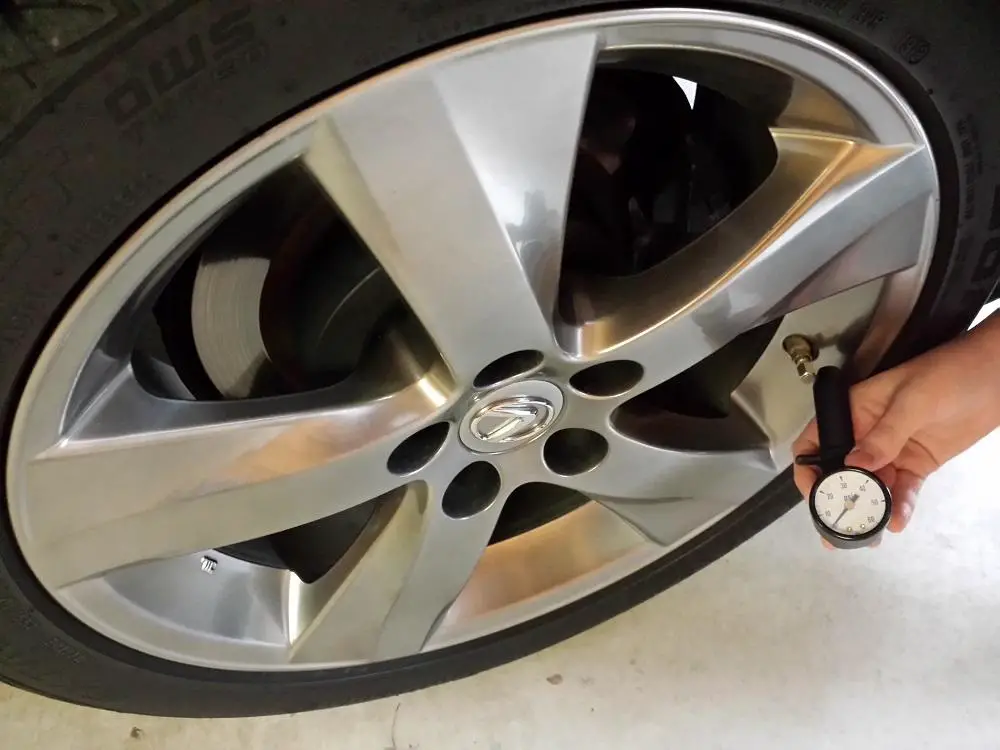
Remember to check the pressure if the temperature suddenly rises or falls, or if you are driving in a location with a different altitude.
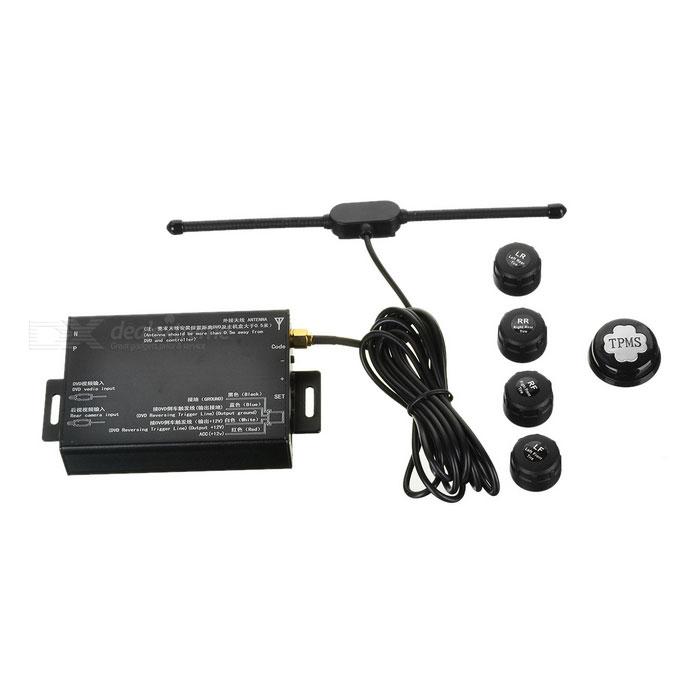
You can also use a tire pressure and temperature monitoring system to get real-time data on your car’s tire pressure.
FAQ
- How does tire pressure affect tire temperature during long trips?
During long periods of driving, tire pressure can significantly impact tire temperature. Low tire pressure increases the contact area between the tire and the road, leading to greater friction and, consequently, higher tire temperature.
Conversely, properly inflated tires maintain optimal contact with the road, reducing friction and preventing excessive heat buildup.
- Can seasonal temperature changes cause significant variations in tire pressure?
Seasonal temperature changes can cause noticeable variations in tire pressure. Cold weather can cause the air inside the tires to contract, leading to a decrease in tire pressure, while hot weather can cause the air to expand, increasing tire pressure.
This is why it is important to regularly check tire pressure, especially during seasonal changes.
- Is there an ideal tire temperature for optimal performance?
While the ideal tire temperature may vary depending on tire composition and the vehicle, most tires perform best when maintained within a temperature range that does not excessively exceed the ambient temperature during operation.
Excessive heat can lead to tire degradation and reduced performance, while temperatures that are too low may not provide optimal flexibility and grip.
- How does driving speed influence the relationship between tire pressure and temperature?
Driving at high speeds can amplify the effect of tire pressure on tire temperature. High speeds increase the friction between the tire and the road, leading to higher temperatures.
If the tire pressure is not at the recommended level, it can further increase the temperature, risking tire damage and blowouts.
- Can Tire Pressure Monitoring Systems (TPMS) adapt to temperature changes?
While TPMS can alert you to significant changes in tire pressure, most systems do not automatically adjust to temperature changes.
They provide real-time monitoring and warnings when tire pressure falls below or rises above the manufacturer’s recommended levels, prompting the driver to manually adjust tire pressure if necessary.
- How do professional racing teams manage tire pressure and temperature?
Professional racing teams closely monitor tire pressure and temperature using advanced tools and sensors. They know that optimal tire performance is essential for speed and safety.
Teams often adjust tire pressure based on track conditions, weather, and expected performance needs, aiming to maintain a balance that provides the best grip, speed, and tire longevity.
- What role does the sun play in tire pressure and temperature?
The sun can have a considerable impact on tire temperature and, consequently, on tire pressure. Tires exposed to direct sunlight for extended periods can heat up, causing the air inside to expand and increase pressure.
This phenomenon highlights the importance of parking in shaded areas and regularly checking tire pressure on hot days.
Final Words
It is important to maintain a balance between tire pressure and temperature as well as altitude. Remember that an overinflated or underinflated tire wears out very quickly and can also cause accidents because it will be difficult to maintain good road grip.