

Good fuel economy simply means lower fuel consumption for a greater distance per kilometer. Suppose your vehicle shows 30 MPG, that clearly means your vehicle travels a distance of 30 kilometers per gallon of fuel. However, to know what truly constitutes good fuel economy, you must take into account a myriad of important factors, including the type of vehicle in question. Let’s explore in more detail what good fuel economy is for your type of vehicle.
What is Good Fuel Economy?
Fuel economy is typically measured in MPG, that is, miles per gallon. This means the number of kilometers a vehicle can generally travel per gallon of fuel. MPG is usually higher on highways than in city driving. Previously, the range of fuel economy for vehicles on the road was from less than 20 MPG (which is 14.0 liters per 100 kilometers) to more than 40 MPG (which is 7.0 liters per 100 kilometers).
Fuel economy can also be measured in terms of GPM, which is the number of gallons a car needs to travel 100 miles. GPM is more useful for calculating a vehicle’s good energy efficiency relative to other considerations.
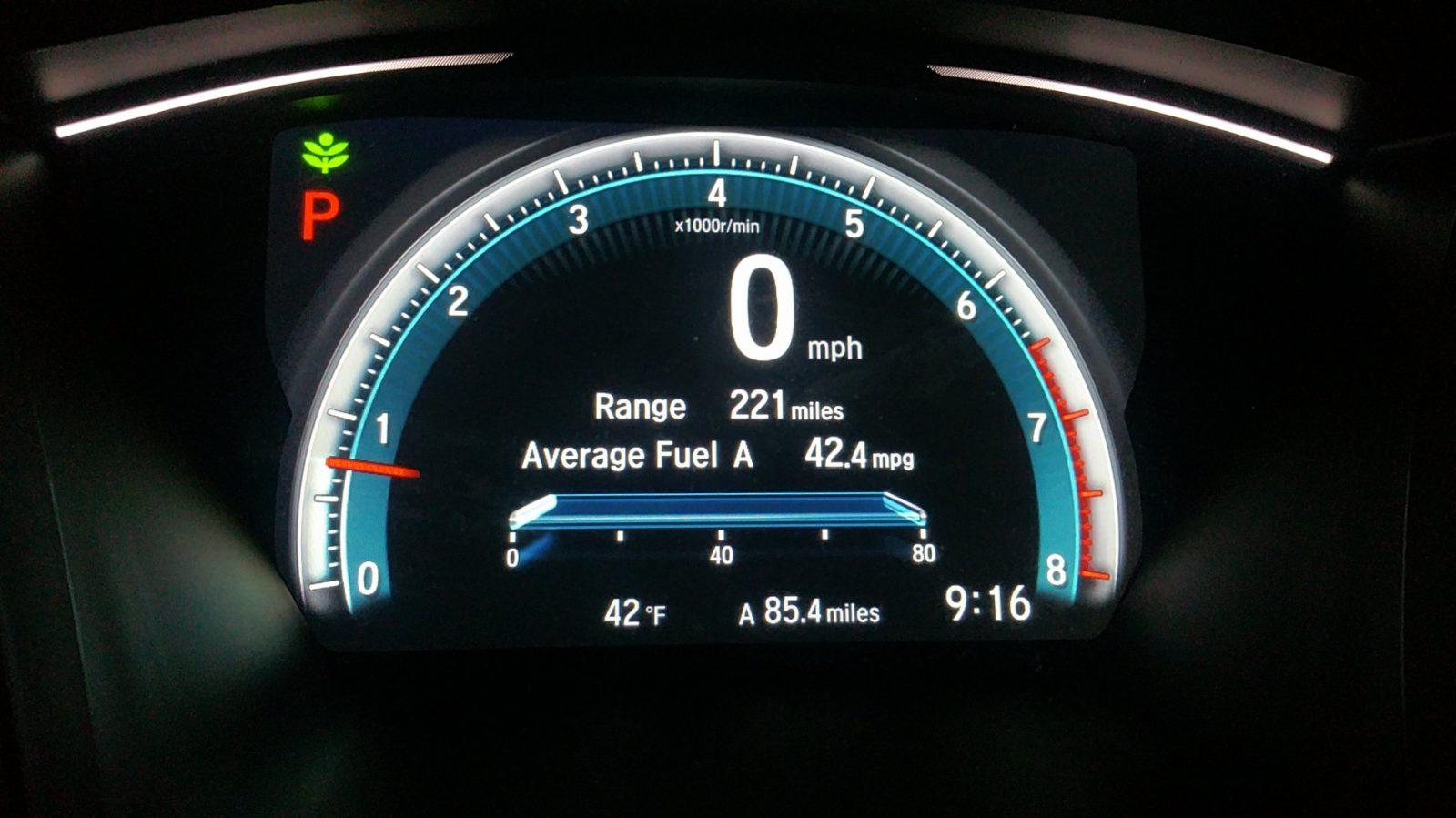
Methods to Determine a Vehicle’s Fuel Economy
Various factors determine your automobile’s fuel economy. Among the most important are:
1. Vehicle Type
The type of car is the first factor in determining whether it has good fuel economy or not. Essentially, smaller engines offer better fuel economy than larger ones. This is due to the vehicle’s weight relative to the engine size. Therefore, the smaller the car’s engine, the less weight it will carry. Consequently, less fuel will be needed to operate.
2. Type of Fuel Used

Another factor that affects fuel economy is the type of fuel your vehicle uses. Indeed, different types of fuels are required to operate different vehicles. A good fuel helps reduce friction in your car’s engine and can make a big difference in fuel economy. To find out what type of fuel you should use for your vehicle, read some car maintenance tips provided by automotive experts.
3. Fuel Octane Rating
The fuel’s octane rating affects your vehicle’s fuel economy. The octane rating determines how quickly the fuel burns in the engine based on the fuel’s reduction/additive ratio. The higher the octane rating, the slower the fuel burns, meaning more efficient operation of your car.
4. Type of Driving Conditions
Another factor that affects your vehicle’s fuel economy is the road condition. You drive either on city roads or on highways. Generally, our cars consume less fuel on highways than on city roads. Typically, highway fuel economy is 3 to 5 miles higher than city fuel economy.
Conclusion
You may already know what good fuel economy is. You can expect higher fuel economy with a well-maintained car compared to a car of the same make and model. So, try to maintain your car well to achieve good fuel economy.