Introduction
Until recently, an OBD-II code reader tool was not typically found in the DIYer’s toolbox. However, for working on vehicles from 1996 and newer, it can be very useful.
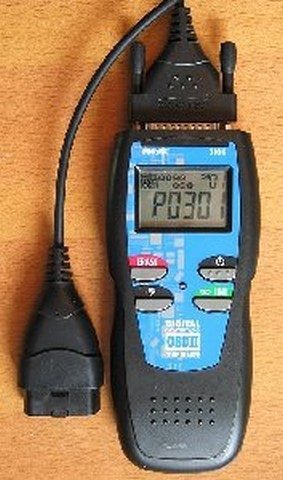
An OBD-II code reader is an electronic device that allows you to connect to your vehicle’s OBD diagnostic port and access technical information. Check other frequently asked questions for more information about OBD.
The reader enables you to view all recorded diagnostic trouble codes (DTCs), making it easier to troubleshoot issues with cars and trucks.
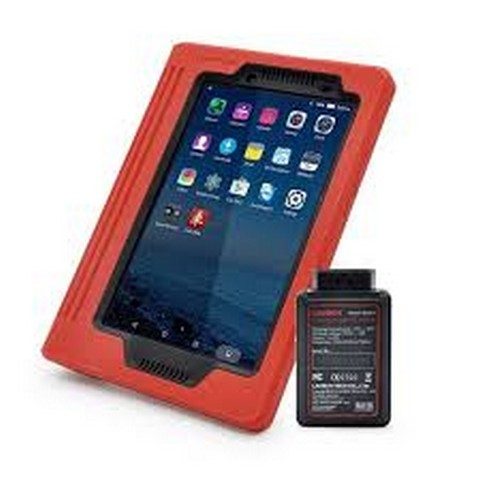
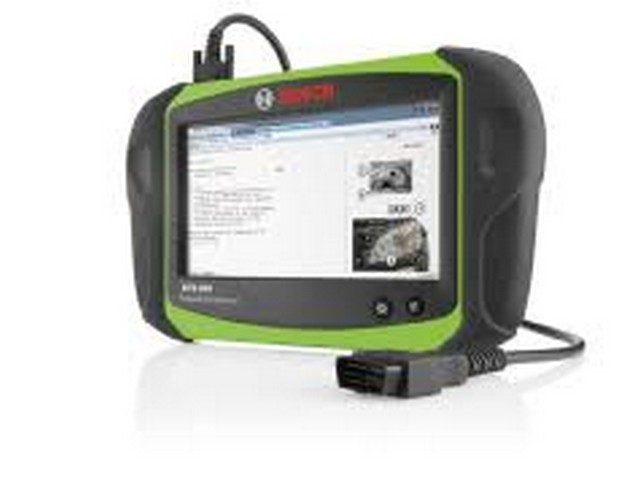
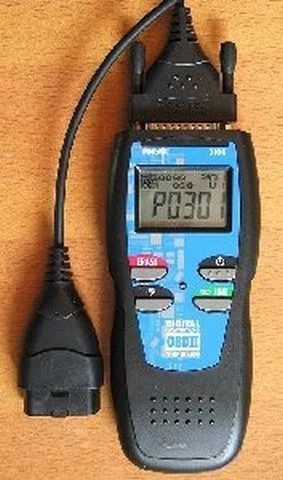
OBD code readers come in a variety of shapes and sizes. Some work in conjunction with a laptop and software. In these cases, you essentially get a cable and software. In other instances, the unit is portable and performs all the same functions but in a neat handheld package.
Features
The characteristics of each OBD code reader depend on the brand and model. However, it is common for most readers to have:
LCD screen display
Display diagnostic trouble codes (DTCs)
Ability to reset/clear DTC codes
Access “freeze frame” data to see what was happening when the code was triggered
High-end OBD code readers may have more advanced features such as:
Languages other than English
Code definitions directly on the unit
Display freeze frame data
Additionally, some manufacturers sell performance chips/tuners that include the OBD code reader function.
Pricing
OBD-II code readers vary in price. They range from affordable ($85) to several hundred dollars or more.