
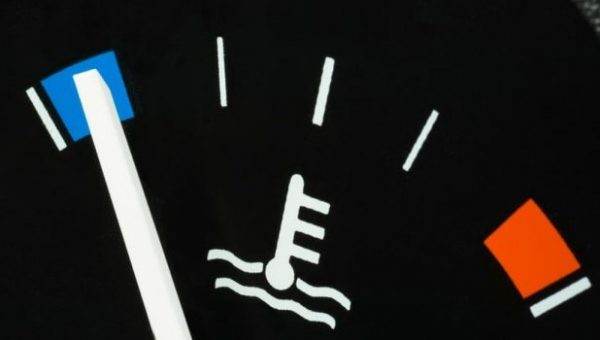

An engine heater is a convenient electrical device used for the sole purpose of warming up your car’s engine and its fluids during cold and winter days. At freezing temperatures, engine oil thickens, causing more resistance, as well as difficulties in starting the engine. In addition to that, the more you have to crank your engine, the more it will consume battery power. This device helps combat this issue by preheating the block or fluids so that you can start the engine more quickly. It also prevents damage caused by cold starts and idling.
The first block heater was invented in 1947 by a man from North Dakota named Andrew Freeman. As you can imagine, the cold climate of North Dakota made it very difficult for him to start his Ford car, and after draining the car’s battery, he set out on a quest for a solution. This led to the invention of the head bolt heater. By inserting an electric heating element through the head bolt, he was able to directly heat the water in the engine block. Nowadays, there are many types of heaters that can be inserted or installed on the engine block using different methods.
TYPES OF ENGINE HEATERS
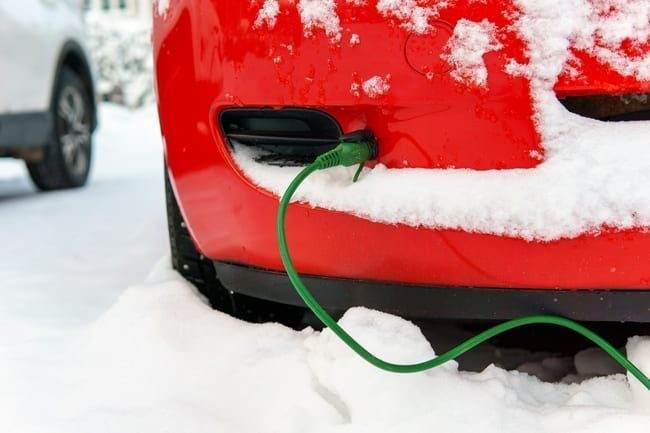
If you are looking to buy a block heater, you will need to choose one based on your own needs and your vehicle’s requirements. Some are universal and easy to install, while others may require professional installation. Some heat the block itself, while others are designed to heat the coolant or the oil itself.
Dipstick Heaters. Installing these devices is quite simple as they are installed where the vehicle’s regular dipstick normally goes. The heating element warms the engine oil. In addition to being easy to use, this solution is also very affordable. The downside is that the devices normally have a lower heating capacity than most other types.
Engine Heater Blankets. These heating blankets can be placed on top of the engine or attached under the hood. They are good for warming the entire engine block.
Bolted-On External Devices. They attach to the outside of the engine block, indirectly heating the coolant. It is advisable to have it installed by a professional automotive technician as the wiring will need to be carefully routed through the engine compartment.
Freeze Plug/ Core Heaters. The car’s existing freeze plug is replaced by the heater, which heats the coolant inside the block. The plug-in heating method is direct and, therefore, generally more effective than external devices.
Oil Pan Heaters. This device acts as a heating pad for the oil pan. By attaching the pad to the oil pan with magnets or bolts, the oil can be heated from the outside.
In-Line Coolant Heater. There are two types of in-line coolant heaters: circulating and non-circulating. Both types connect to the coolant hose to heat the fluids. Circulating devices use the pump to push the warm coolant around the engine unit, while non-circulating heaters only heat the fluid in one area.
DO I REALLY NEED TO USE ONE?
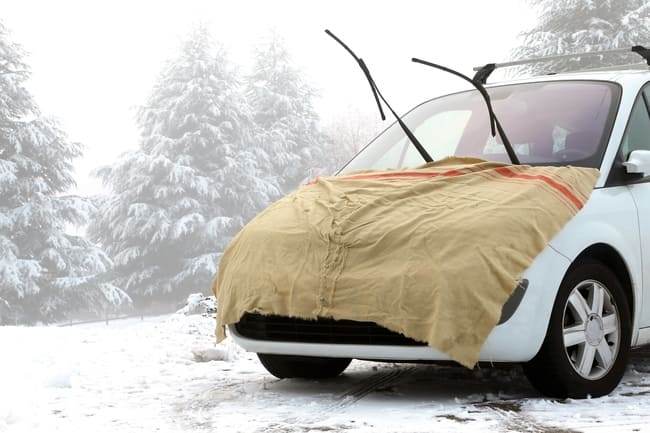
It depends on where you live and where you drive your car. If you live in a sunny paradise, you will probably never have to think about it. However, if you are no stranger to icy winters, it can make all the difference. Block heaters are generally recommended when temperatures reach -15°C or lower. They can also be useful if the vehicle remains stationary for long periods and is therefore not regularly heated. These devices are also particularly useful for diesel engines that require higher temperatures to operate efficiently, as well as for cars that use non-synthetic oils. Using one can improve ignition and combustion efficiency and help reduce fuel costs in the long term.
WHEN AND HOW LONG SHOULD I USE AN ENGINE BLOCK HEATER?
It is not always necessary to keep the heater plugged in overnight, only if the weather is severe enough to solidify your engine’s antifreeze or damage the engine block. Once it has reached the necessary temperature, any additional heat will be lost and electricity will be wasted. It is often best to use a timer and start the heater a few hours before you plan to leave. It usually takes no more than 2 to 4 hours.