
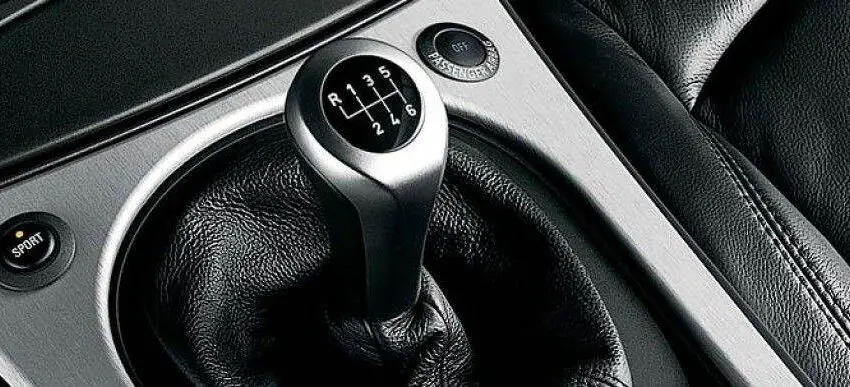
Since its introduction in 1940 until today, automatic transmission has increasingly affirmed its place and importance in the automotive industry. Currently, most cars sold on the market are equipped with automatic transmissions. It is an important part of the powertrain. Today, modern cars are preferred by customers due to many exceptional advantages, in which automatic transmission is considered the “genetic code” that makes this breakthrough.
Having undergone a long development process, AT is increasingly developed with the introduction of more advanced and modern automatic transmissions. You are surely very familiar with the structure of 4, 6, or 7-speed automatic transmissions. But what about the 9-speed transmission? Do you know everything about this model? If not, let’s spend some time with us to explore the topic: “What is a 9-speed automatic transmission?“
9-Speed Automatic Transmission: What’s the Difference?
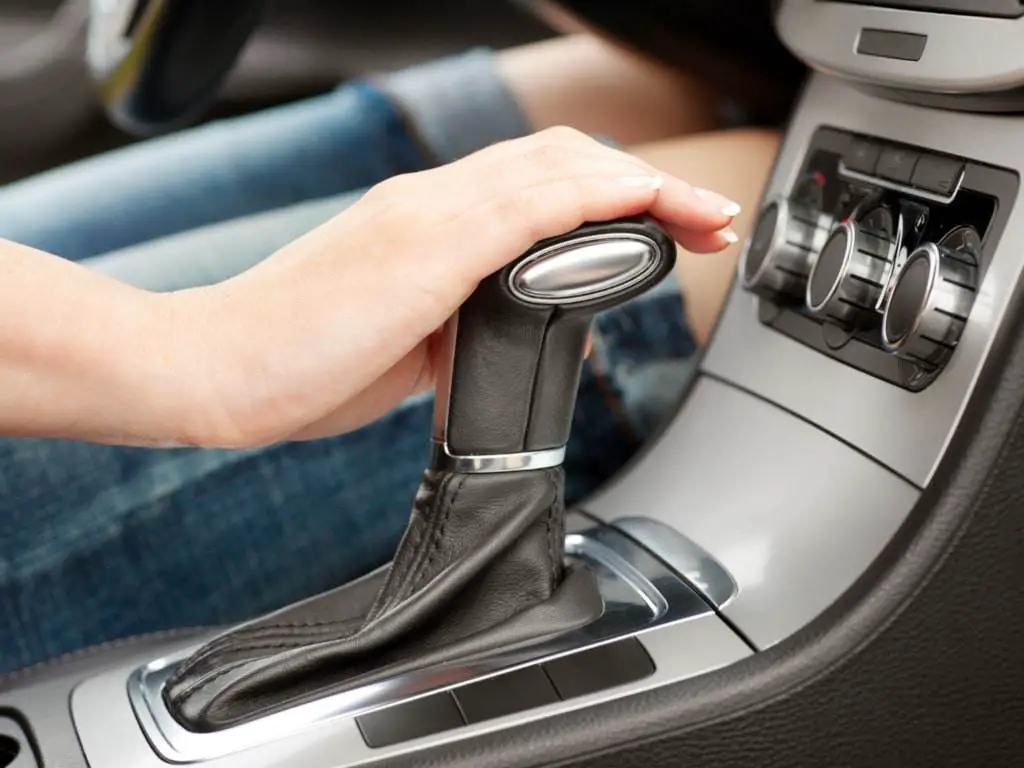
We can see that each type of transmission has its own characteristics and provides a different driving experience. However, the main goal of development is to increase fuel economy while ensuring the smoothest operation.
As the bridge connecting the engine to the wheel, the transmission acts as a converter of torque and crankshaft rotation according to working conditions. Adding levels and widening the gear ratio range means improving the car’s performance. In other words, it helps the engine operate stably in an optimal state in terms of fuel economy, power, or torque. The 9-speed transmission is considered the limit in the automotive industry because exceeding this threshold increases complexity and weight and cannot compensate for energy efficiency.
“What does 9-speed automatic mean?” The 9-speed transmission consists of a front section with five forward gears plus reverse and a rear section with a low-range gear set and a high-range gear set in a normal upshift sequence. The five gears in the front section are shifted with the rear section in the low range, then the front gears are used with the high-range section, except for the low gear which is only used in the low range, so you have nine progressive forward gears.
It was designed for cars with a transversely mounted engine. The performance increase comes from the wider gear ratios and the lightweight construction of the powertrain. Just like its 7-speed predecessor, the 9-speed automatic transmission adds two overdrive gears and a new clutch design that reduces the overall size of the transmission to fit current vehicles equipped with a six-speed AT.
9 speeds offers extremely short response times and shifts below a perceived threshold. This means that double shifting and direct shifting occur several times without the driver or passenger noticing. The 9-speed transmission has a compact transmission structure: 4 simple gear units and 6 shifting elements producing 9 speeds. The housing case retains the structure of 2 magnesium alloy halves, the case is made of lightweight aluminum.
Supported by a combination of a range of high-tech features, including stop/start technology and the next generation of precision electronic shifting, which provides intuitive sequential shifting. The 9-speed automatic transmission offers the ultimate balance between energy efficiency and performance.
How to Shift a 9-Speed Transmission
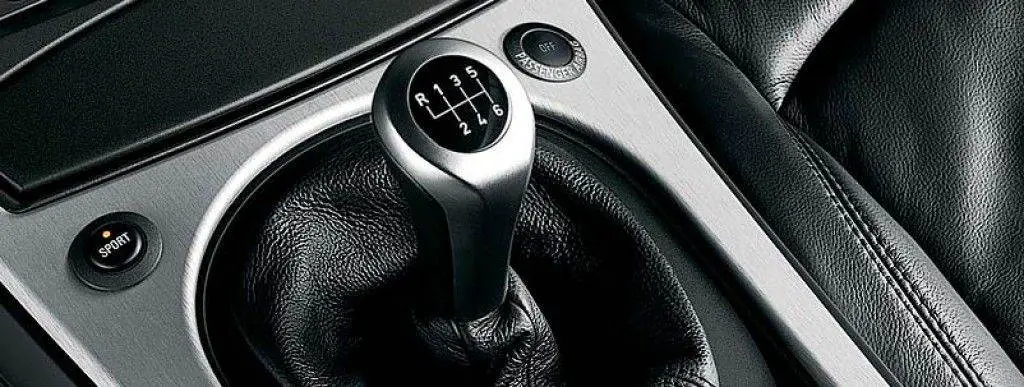
How to effectively shift a 9-speed automatic transmission? We are going to solve this problem for you. According to experts, for a 9-speed gearbox to be used optimally, one must drive at high RPM.
Here are the specific shifting procedures as you would perform them with a 9-speed automatic transmission:
Step 1:
You start your engine with the transmission in neutral and bring the vehicle’s air pressure back to normal.
Step 2:
Make sure the range control button is in a low range so that you are sure to be in a low range when you start.
Step 3:
Press the clutch pedal and move the gear lever into the low position. If your car is equipped with an upshift clutch brake, you must press the clutch pedal to the floor before putting the lever into low gear.
Step 4:
The clutch brake will stop the gear from rotating so that the clutch teeth do not clash when they engage with the gear. If your car does not have an upshift clutch brake, simply press the clutch pedal and wait a few seconds to allow the gears to stop rotating on their own now.
Step 5:
Now release the clutch pedal and start moving in low gear, accelerate until you have enough speed to shift into first.
Step 6:
Then double-clutch into first gear and here’s how to double-clutch:
- Begin your shift by pressing the clutch pedal and releasing the accelerator while moving the gear lever to neutral. Once the lever is in neutral, release the clutch.
- Once you have synchronized the gears again, press the clutch and complete the shift.
- Double-clutch all upshifts and downshifts, now continue upshifting through second, third, and fourth gears in the low range.
- When you reach the maximum regulated RPM in fourth gear, check your speedometer and remember the speed. This will help you when downshifting later. Also, while you are still in fourth gear, prepare for the shift into fifth by moving the range control button to the high range.
- When you are ready to shift into fifth gear, simply double-clutch and move the lever into that position which is the same as first in the low range. When the gear lever moves to neutral, the transmission shifts from the low range to the high range. You continue upshifting in the high-range pattern until you reach your desired driving speed.
What about downshifting when the terrain, traffic, or other conditions require a slower speed. Here’s a tip for you:
- As your car slows the engine, the RPM decreases to the point where you can shift into seventh gear. Double-clutching during downshifts requires you to synchronize the gears by revving the engine with the clutch pedal up and the gear lever in neutral.
- After double-clutching down to seventh, then into the remaining gears in the high range, double-clutch shifting while still in fifth gear prepares for the shift into fourth by moving the range control button to the low range which will pre-select the low range.
- Do not attempt to downshift to the low range until your car is at the fourth cruising speed you noted during upshifting. Shifting into the low range at a higher road speed will damage the entire synchronizer assembly.
- When you shift from neutral to the fourth position, the transmission automatically shifts from the high range to the low range, then continues downshifting in the low range.
The Verdict: What is a 9-Speed Automatic Transmission?
During a test, the 9-speed automatic transmission delivered an impressive result by reducing fuel consumption by 6.5%. At the same time, the gearbox helps increase the smooth operation and performance of the engine. We believe that when your car is equipped with this utility, it will provide the driver with interesting experiences.
Hopefully, through the article, you can learn some usage tips that will help you save fuel, reduce downtime, and make driving much easier when using a 9-speed automatic transmission.