
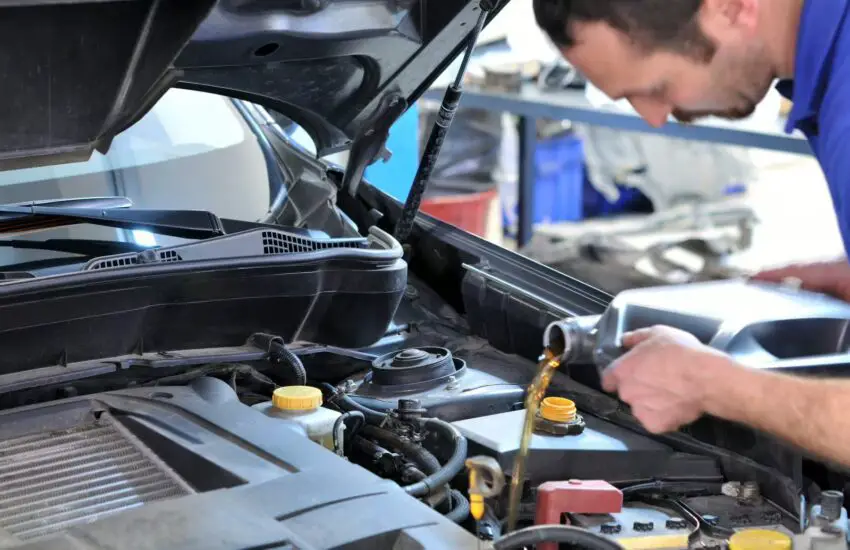
Just like blood in your body, car oil is just as important for the engine. Car oil allows the engine to run smoothly and precisely. But oil cannot stay clean on its own, and it’s your job to change it for the good of your car. Changing a car’s oil irregularly will reduce the car’s working efficiency, its lifespan, and many other things.
Hidden Dangers of Not Regularly Changing Car Oil
No matter how modern your car is, you will send it to an early grave if you don’t change the lubricant every 16,000 km. It is the key factor in mitigating the impact between metals. And as many drivers are unaware, the effects of used oil on their vehicle are much worse:
1. Reduce the Efficiency of the Car Engine’s Operation
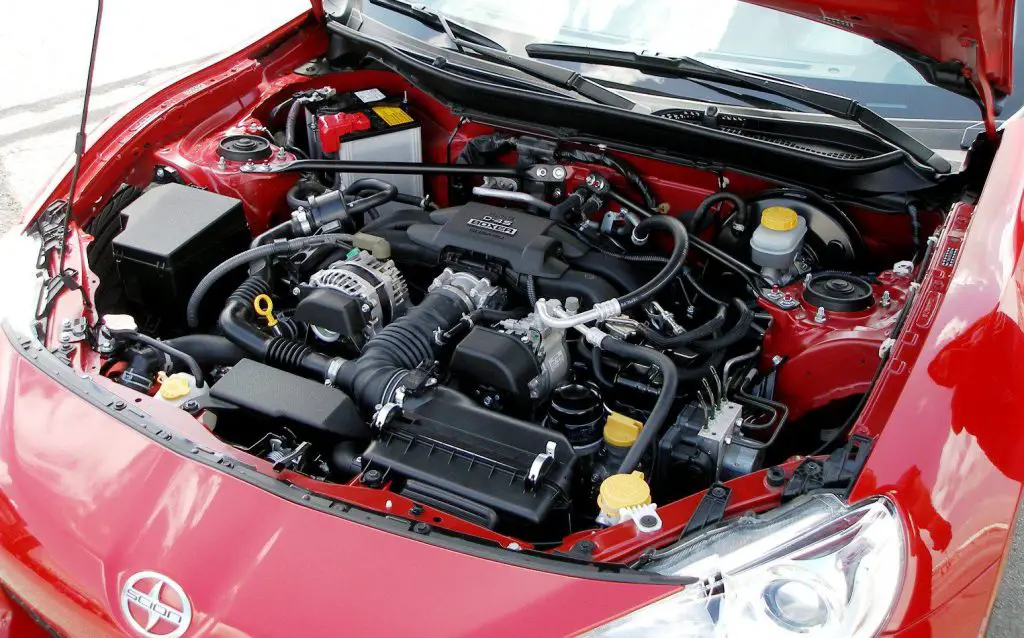
After a long period of maintenance, the heat from the operating process burns all the coolant, causing the engine to overheat. Used oil is one of the causes of engine overheating. This not only reduces the car engine’s efficiency but also causes the engine to heat up and damages other car parts.
2. Create Dirt Inside the Engine
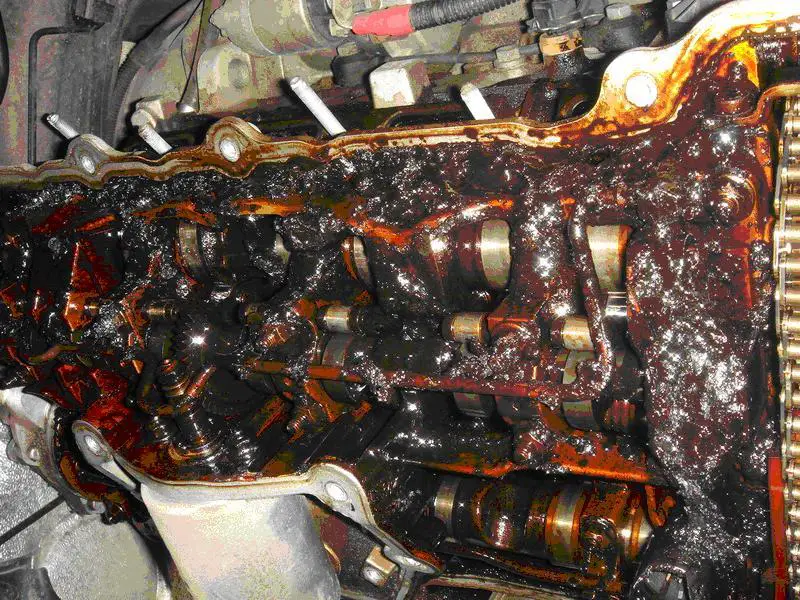
During operation, engine parts will be damaged, leading to abrasion. Leaving the oil unchanged for too long will lead to oil loss; more dirt will accumulate and the filter will not work effectively. At that point, the dirt can wear down the engine. If the engine oil runs out, dirt will stick to the engine parts and damage the vehicle. Furthermore, high oil temperatures will also create dirt. Normally, this dirt is collected by the “oil filter” to prevent it from sticking under the car’s engine. However, if car owners are too lazy to change the oil, the remaining oil in the car might be too little to “carry” all the dirty dirt to the filter.
Why do we need to filter this dirt? You can see the horror in the image above. The dirt will firmly adhere to the engine and slowly destroy it if drivers wait too long to change the car oil.
3. Release Polluted Smoke
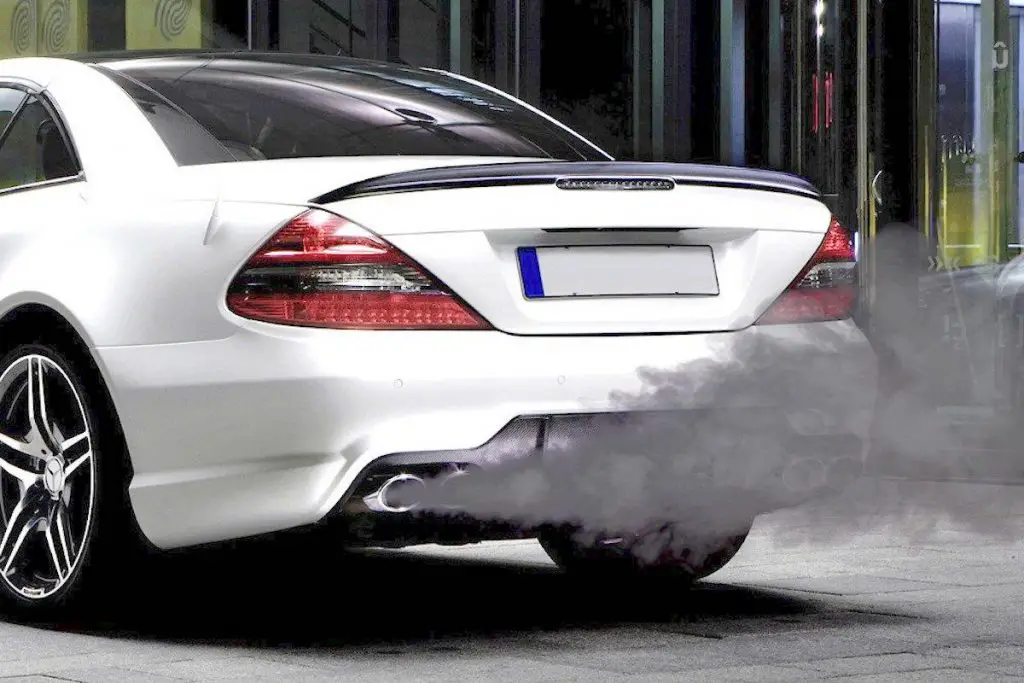
The older the oil, the more easily it burns and releases toxic smoke. If you are a big environmentalist, this is a huge problem! Drivers must change their car oil often, as new oil creates less exhausting black smoke.
4. Consume More Fuel

After driving for a long period, the lubricating effect of the oil decreases. As a result, car engines heat up much more during operation, which consumes more fuel. So, if you don’t want to lose a huge sum of money on your gas bill, change the oil regularly!
5. Reduce the Car’s Lifespan

This is by far the most common reason your car breaks down so early. Irregular oil changes not only decrease engine efficiency but also scratch and damage other important vehicle parts. Not to mention, if your car runs out of oil, car owners might have to replace the engine with a new one.
When Should Engine Oil Be Changed?
Car manufacturers often recommend changing engine oil after 5,000 km or 10,000 km… These recommendations are correct but not for all cases.
Depending on the vehicle’s usage conditions, oil changes can vary. For example, vehicles operating in harsh climate conditions, on bad roads, driving a lot… will need to change their oil sooner than vehicles operating in favorable conditions.
Another way is to use the dipstick. Based on the engine’s oil dipstick. The best way to check is when the engine is cold, the oil level should not be below the minimum; when the engine is hot, the oil level should not be above the maximum. Look at the color of the oil on the top of the dipstick. If the oil is black, it’s time to change it. If it is yellow or orange, the oil is still good and should not be changed.
Note: engine oil is not always thicker the better. Currently, multigrade lubricants ensure viscosity and facilitate vehicle starting, whether at high or low temperatures. This type of lubricant is not too thick like the previous single-grade lubricating products.