

Oil is the lifeblood of an automobile. It not only provides power to your car but also ensures the proper functioning of other components. Oil absorbs excess heat and contains additives that remove harmful chemicals. After driving thousands of miles with your vehicle, the oil needs to be changed. Nevertheless, some still wonder what happens if you use conventional oil instead of synthetic oil in their car.
Here, you will understand the effects of conventional or synthetic oil on your car’s performance. You can also search online for the best car maintenance tips to better understand the effects.
What Happens If You Use Conventional Oil Instead of Synthetic?
We will now demystify the reasons for what would happen if you switched to conventional oil instead of synthetic oil for your car. Some vehicle owners might think it’s bad to switch from synthetic oil to conventional oil. We will help clear up the confusion.
1. Crude Manufacturing
Unlike synthetic oil, conventional oil is distilled and refined from crude oil. Crude oil is a naturally occurring liquid fossil fuel. On the other hand, companies artificially prepare synthetic oil from chemical compounds to mimic the properties of natural oil. They manufacture it according to the requirements of modern vehicles. You can search online if you want to know what happens if you use conventional oil instead of synthetic oil in your car.

2. No Engine Cleanliness and Protection
As conventional oil circulates through the vehicle’s engine, it slowly degrades, leaving behind harmful deposits and even leading to sludge formation. This can affect your car’s engine performance and the vehicle’s lifespan.
Synthetic oil contains minimal impurities and is more resistant to sludge. It keeps the car’s engine cleaner and ensures smooth and long operation.
3. Conventional Oil = Bad Choice for Driving in Extreme Temperatures
Your car’s engine generates heat when you take a long trip with your friends. This causes the oil to degrade. Synthetic oil performs better under extreme conditions because it is made with precise engineering. It can easily withstand heat, allowing your car’s engine to last longer.
Conventional oil would take longer to reach its ideal viscosity in cold weather. It might not provide the required lubrication when you try to start your vehicle.
4. Cost Increases
Your auto mechanic might charge you around $30 to $45 for a conventional oil change. Fully synthetic oil costs between $70 and $100 depending on the vehicle. Full synthetic may cost you a bit more, but it increases the engine’s lifespan by two to three times.
A regular oil change would cost you between $120 and $180. That’s a bit more expensive than synthetic oil. You can also check online for the best car engine oil change tips.
5. Less Oil Longevity
Do you want to know what happens if you use conventional oil instead of synthetic oil? Synthetic oil should be changed after a minimum drive of 10,000 to 15,000 miles. Conventional oil needs to be changed every 3,000 to 5,000 miles.
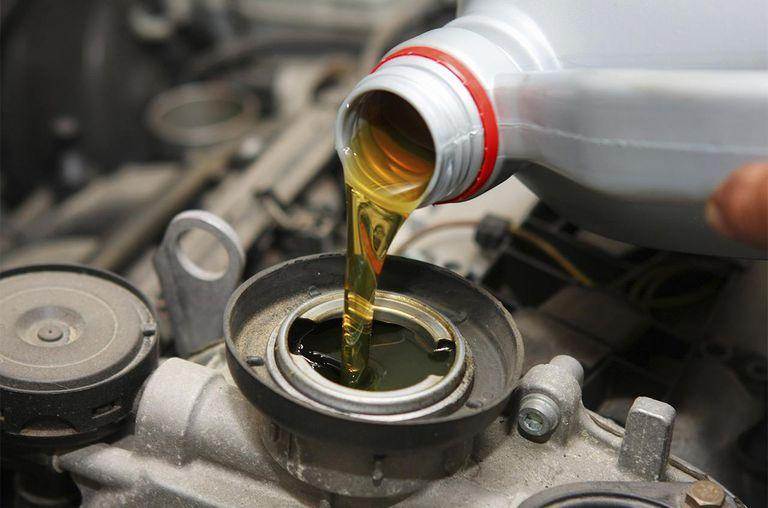
What Should I Do After Using Conventional Oil Instead of Synthetic?
If you accidentally used conventional oil instead of synthetic oil in your car, you can take a few steps to minimize any potential damage:
- Check the oil level: Make sure the oil level is correct and there is enough oil in the engine. If the oil level is low, add more oil if necessary.
- Monitor the engine: Keep an eye on the engine and listen for any unusual noises or performance issues. If you notice problems, such as knocking or reduced power, it’s best to have the vehicle inspected by a qualified mechanic.
- Change the oil: If possible, it’s best to drain the conventional oil and replace it with the correct type of synthetic oil as soon as possible. This will help ensure the engine is properly lubricated and protected.
- Follow the manufacturer’s recommendations: Make sure to follow the manufacturer’s recommendations regarding oil type and change intervals in the future to avoid any potential damage.
- Although using conventional oil instead of synthetic oil may not cause immediate engine damage, it’s important to address the issue as soon as possible to avoid any potential long-term damage. If you’re unsure how to proceed, it’s best to have the vehicle inspected by a qualified mechanic.
Watch more:
FAQ
Why Can’t You Go Back to Conventional Oil After Synthetic?
Although it is possible to switch back to conventional oil after using synthetic oil in your car, it is generally not recommended. Here are a few reasons why:
- Synthetic oil lasts longer: Synthetic oil is designed to last longer than conventional oil, meaning it can go longer between oil changes. If you switch back to conventional oil, you’ll need to change it more frequently.
- Provides better protection: Synthetic oil is designed to provide better protection for your engine, especially in extreme temperatures or under high-stress conditions. If you switch back to conventional oil, you may not get the same level of protection for your engine.
- Compatibility issues: Some engines are specifically designed to use synthetic oil, and switching to conventional oil could lead to compatibility issues or even damage the engine.
Can You Put Synthetic Oil in Any Car?
Although synthetic oil seems very good, it’s important to consult your owner’s manual or a qualified mechanic to determine if synthetic oil is recommended for your specific vehicle make and model. But in general, synthetic oil can be used in many vehicles designed to use conventional or mineral oil.
Does It Hurt to Mix Synthetic Oil with Conventional Oil?
It is not recommended to mix conventional oil with synthetic oil. Although, in the short term, it may not damage the car’s engine, if you mix these types of oil for your car over a long period, it could cause engine problems, affecting the vehicle’s performance.
Summary
We hope you have an answer to what happens if you use conventional oil instead of synthetic oil in your vehicle. So, go ahead and read this when you want to find the answer to your query.