

Did you know that brake fluid colors are important signs that can tell you a lot about your vehicle’s condition? Many drivers worry when they notice that the brake fluid turns black or dark. What does it mean if the brake fluid is black? Let’s take a look at our article to find out the reasons behind this problem.
Why are brake fluids necessary for your car?
According to statistics, every 16,000 to 25,000 km, the driver presses the brake more than 75,000 times. This number has proven the importance of the braking system in your car. Therefore, to ensure the braking system works effectively, it is essential to check and maintain the car’s brakes, including adding car brake fluid.
Automotive brake fluid is a liquid formulated from highly refined base oils and versatile additives. This fluid is responsible for supporting the transmission of force from the brake pedal to the components of the braking system. In addition, brake fluid also has the important function of lubrication, preventing corrosion. And reducing friction which helps the braking system operate smoothly.
What color should brake fluid be?
It can be said that the brake fluid color is an essential indicator that tells you whether the brake fluid is in good condition or needs to be changed. Black brake fluid can be a warning that your car has a problem. However, before determining whether this is a normal phenomenon or not, you need to determine the color of the brake fluid. Currently, most brake fluids are manufactured according to DOT standards. This standard is determined based on the lowest boiling point and the brake fluid’s ability to maintain performance. There are 4 types of automotive brake fluid according to DOT standards: DOT 3, DOT 4, DOT 5, and DOT 5.1. DOT 3 and DOT 4 are the two most common types. Depending on the type of brake fluid your car uses, the colors will vary, including:
- DOT 4 and DOT 5.1 are yellow in color.
- DOT 3: This type of fluid is only used for racing cars. DOT 3 is blue.
- DOT 5: This fluid has a purple color.
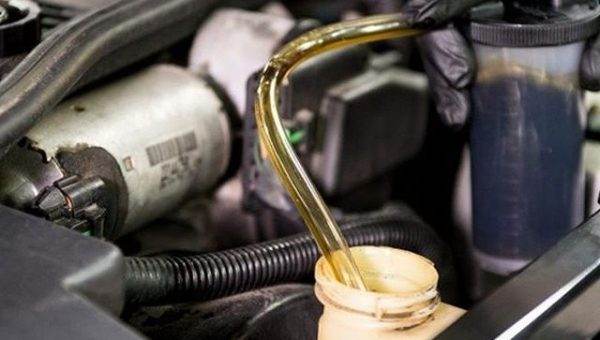
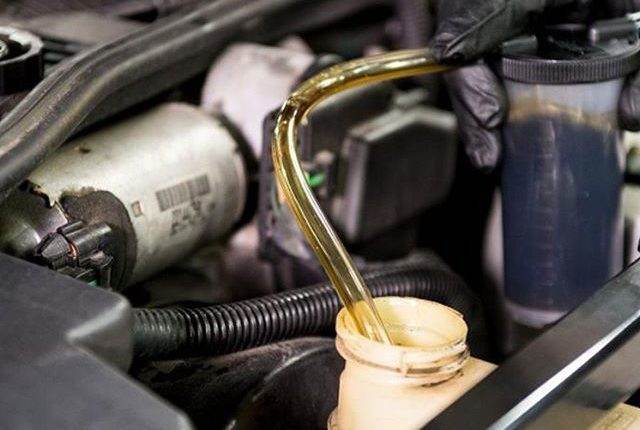
However, all you need to remember is that healthy brake fluid will be almost clear with a yellow tint. This color should resemble the color of the bottle before you initially pour it into the car’s reservoir.
Brake fluid is black: what does it mean?
If you open the car’s brake fluid reservoir and notice black or brown fluid. So what happened to your car? We are sorry to say that black brake fluid is a sign that your fluid is heavily contaminated. When this happens, the braking system’s ability to pressurize is reduced and braking performance can be affected. Furthermore, black brake fluid means the rubber seal has deteriorated and the fluid in the reservoir is too old and needs to be replaced. In fact, it turns out that the contaminants in the brake fluid attack the rubber seals and washers. The black color of the fluid corresponds to the carbon particles from the rubber pads.
Why does brake fluid turn black?
Many drivers have stated that black brake fluid was caused by its age. This is a true opinion. Like other fluids, brake fluid degrades after a long period and needs to be replaced. After some time, your brake fluid will accumulate enough contaminants and cause a color change. This change will go from clear/yellow to a darker yellow, and when the brake fluid is brown or black, it can seriously affect the braking system.
Inside the braking system is the brake fluid reservoir. From this reservoir, the brake fluid moves from the cylinder to the car’s wheels. If you press the brake frequently, the brake fluid will become contaminated faster. And even if you don’t drive that hard, due to its characteristic, your brake fluid will still accumulate contaminants over time.
The second cause of brake fluid discoloration is the deterioration of some parts of the braking system such as the rubber brake lines, the slave cylinder seal, or the wheel. Because brake fluid is corrosive. Even though the braking system components are designed to withstand such corrosion. If they are not maintained or serviced properly, these parts will show signs of wear. At this point, microscopic pieces and soot from the rubber will follow the path to enter the brake fluid. Discoloration as well as the reduction of the fluid’s efficiency.
Why is brake fluid easily contaminated?
Although the brake is a sealed system, vapor can still pass through the micro-holes in the rubber hose and the sealing ring. Meanwhile, car brake fluid is easy to boil due to its great ability to absorb moisture, leading to decreased brake pressure and poor braking efficiency.
Furthermore, in countries with humid climates. The details of the braking system are also prone to rust when the brake fluid “saturates” with water when the vehicle moves in rainy or flooded weather. In addition, lack of brake fluid or degraded oil is the cause of damage to the braking system such as strange noises, low pedals, a strong braking sensation, and the most extreme is the phenomenon of the car losing its brakes…
According to automotive experts, brake fluid contains corrosion inhibitors and antioxidants. Over time, the structure of these substances breaks down, leading to metal corrosion and the accumulation of deposits that disrupt the flow of brake fluid.
Can you drive when the brake fluid is black?
Black brake fluid is absolutely not a good sign. This color indicates that there is probably moisture that has seeped into your fluid and dramatically affects the quality of the fluid. The main function of brake fluid is to make your brake fluid more fluid. What will happen if the brake fluid loses this functionality? This is therefore the reason why many experts advise against driving your vehicle with black fluid. Although black brake fluid does not always trigger an alarm, using black fluid can cause serious problems.
This fluid content can corrode the steel components of your braking system and damage them. Brake fluid used for a long time without replacement will lead to corrosion of the wheel cylinders; the brake pedal is not effective; the brake pads are quickly damaged… Many parts and components are worn and damaged affecting the entire braking system and vehicle; even your own driving.
Furthermore, the boiling point of contaminated brake fluid will be lower than that of clean brake fluid, thereby reducing braking efficiency. When driving, using the brakes generates a large amount of heat. Therefore, traveling with dirty brake fluid, when the fluid boils, creates a large amount of foam and gas. Over time, the car’s brakes are damaged. This is very dangerous when you are driving on the road.
How often should you replace brake fluid?
Brake fluid can be contaminated by 2% water in the first 12 months and reach 7 to 8% after just 36 months. If you do not change the fluid in time, it can damage the braking system during operation.
According to manufacturer recommendations, brake fluid should be changed every 3 years or after 30,000 to 40,000 km. If the vehicle constantly moves in dusty and very humid conditions or uses the brakes continuously. The car owner can change the brake fluid earlier.
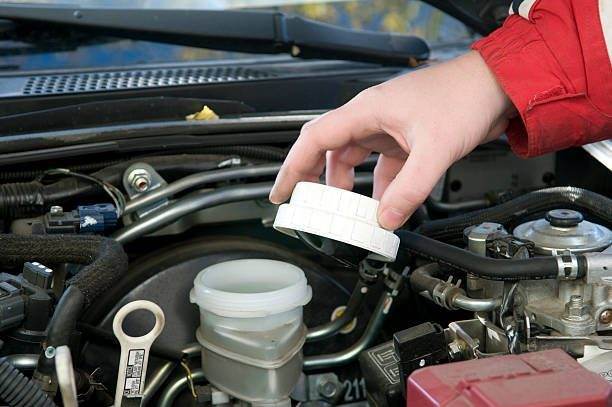
After that, you need to take your car to the mechanic to have it repaired to ensure everything is safe. To know exactly when to change the brake fluid, car owners can check the actual quantity and quality of the oil in the reservoir via the brake fluid sensor equipped on the vehicle or check it manually. In case of manual inspection, observe only from the outside. Do not open the lid to prevent air and moisture from entering. The color will reflect the quality of the oil. Standard brake fluid is clear or colorless; if it turns brown. This means the oil has severely deteriorated and needs to be replaced to protect the braking system.
Steps to change car brake fluid
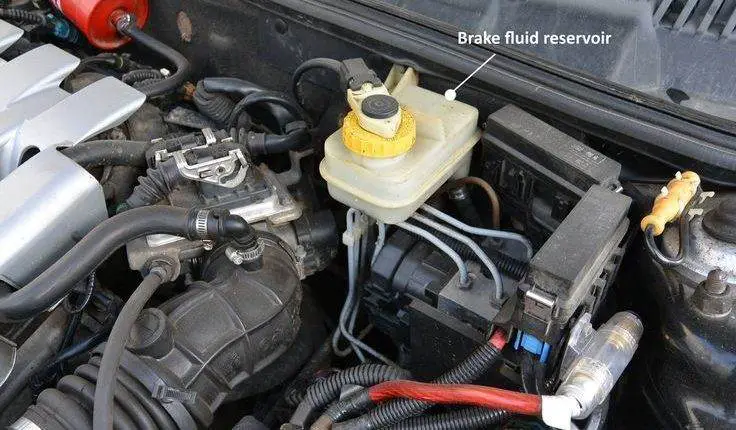
When checking, if the oil level is low but the color is clear or yellow. The car owner just needs to add more oil to the reservoir. Brake fluid should be replaced when it shows dirt or turns dark brown. Basic tools for changing brake fluid include a suction system, a car repair kit, a car jack, brake cleaning spray, and grease for bolts and screws.
Step 1:
Remove the wheel and clean the car’s brake with a specialized cleaning solution.
Step 2:
Find the position of the top of the fluid hose and remove the rubber buttons that cover the outside of the hose. Proceed to place a plastic tube into the reservoir and open the drain valve to let the old fluid out. This method minimizes the return of air into the brake cylinder.
Step 3:
Insert a piece of wood so that the brake pedal does not come off too much when the oil pressure is released.
Step 4:
Open the brake fluid reservoir cap, use a straw to suck out all the used oil, pour in new oil, and close the reservoir cap tightly.
Step 5:
Hold the brake with a constant force, tighten the drain valve bolt, then loosen it a quarter turn to drain all the used oil. Then, retighten the bolts, remove the plastic tube, and install the rubber-covered buttons as before.
After completing the brake fluid change steps, the car owner starts the engine, presses and releases the brake pedal to check the stability of the braking system.
As the “lifeblood” of the hydraulic braking system. Brake fluid must be periodically maintained and replaced to limit brake degradation and prevent operational risks.
To maximize the efficiency of power transmission, car owners should choose a non-compressible brake fluid that can lubricate the brake calipers to help reduce corrosion and has high boiling points. It is recommended to use a specialized brake fluid specific to each vehicle model according to the manufacturer’s recommendations. This not only helps to maximize the efficiency of the car’s brake fluid but also ensures the lifespan of the braking system.