

Maintaining normal transmission temperature is essential to keep it functional for a long period. Overheating is such a serious problem that it accounts for nearly 90% of automatic transmission failures.
What triggers overheating? It can be due to several things, but the main culprit is an overworked transmission fluid. It is the lifeblood of the entire gearbox system. Any problem will affect the transmission’s functions and its lifespan.
What are the normal transmission temperatures?
Your car is safe when the transmission fluid temperature ranges between 175 and 225 degrees Fahrenheit. Keeping it below 175°F indicates a healthy state and ensures long mileage. On the contrary, it is alarming when it exceeds 225°F. Every 20 degrees beyond this threshold will cut your transmission’s lifespan in half.
Furthermore, the ideal operating temperature for transmission fluid is 175 degrees. And overheating will occur once the temperature exceeds 200 degrees.
Why does transmission fluid heat up?
The parts of the gearbox rub against each other and the resulting friction creates a large amount of internal heat. The fluid circulates inside the torque converter, gears, bearings, clutch plates, and other parts, and its temperature increases as the car moves.
If all components are functional and you are driving at a normal speed, the ideal transmission temperature is 175°F or less. The fluid will last forever or up to 100,000 miles to be precise if you can always drive at this temperature.
However, dirt in the fuel or components, lack of regular maintenance, damaged or broken parts, low transmission fluid level, prolonged high-speed driving, and a few other reasons cause the transmission fluid to heat up. The problem is that the fluid’s quality and its lifespan begin to drop once the heat starts to accumulate and exceeds the safety limit.
What happens in case of overheating?
Overheating destroys the fluid’s lubricating qualities and its friction capability. A highly heated state oxidizes it and causes it to form varnish on the internal parts of components like the valve body.
When the temperature exceeds 250°F, it hardens the rubber seals and causes them to crack. As a result, these seals leak both pressure and fluid. When the heat reaches near 290°F, the transmission begins to slip and stops functioning due to the burning of seals and clutches.
Overheated fluid gives off a burnt toast smell and appears brown to dark in color. You should check it regularly to avoid costly transmission repair or replacement work later.
How to avoid overheating?
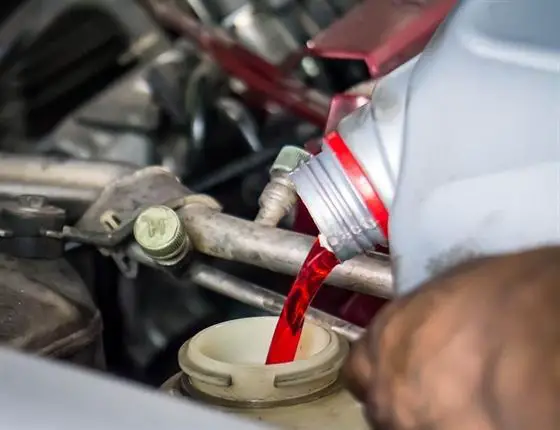
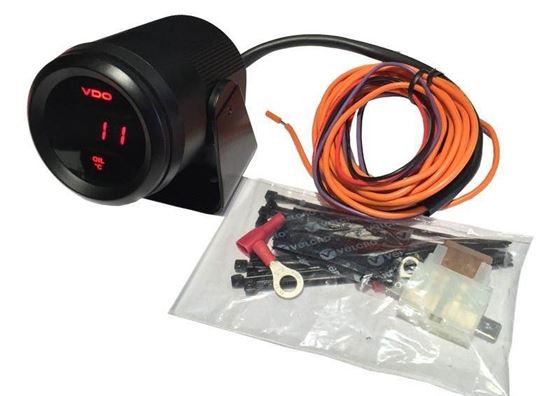
Regular maintenance and checks are essential to maintain an ideal transmission temperature. Inspect the components to see if they show signs of wear. The fluid should be at the correct level and the right color. Normal fluid appears red or dark red, but it is concerning when it develops a brownish tint or becomes dark. Additionally, you can use a temperature gauge to know the transmission’s temperature. This will help you act at the right time.
Watch more on the topic in this video:
There are a few methods to cool the transmission temperature that you can refer to:
Check the fluid level
Ensure the transmission fluid is at the correct level. Low fluid levels can lead to overheating, so if it is low, top it up according to your vehicle’s specifications.
Inspect for leaks
Look for any signs of leakage in the transmission system, such as puddles or wet spots under your vehicle. Leaks can cause fluid loss, leading to overheating. If you find leaks, have them repaired by a qualified mechanic.
Maintain good engine cooling
The engine cooling system plays a significant role in keeping the transmission fluid cool. Ensure your vehicle’s cooling system is in good working order. Check the coolant level and have the radiator and cooling system inspected regularly to ensure effective cooling.
Avoid extreme driving conditions
Heavy towing, driving in hot weather, or stop-and-go traffic can put extra strain on the transmission and cause the fluid to overheat. If possible, avoid these conditions or take breaks during prolonged driving periods to allow the transmission to cool down.
Install an auxiliary cooler
Consider adding an auxiliary transmission cooler if you frequently engage in demanding driving conditions or perform towing. An auxiliary cooler helps dissipate heat from the transmission fluid more effectively, thus reducing the risk of overheating.
Install a temperature gauge
Installing a transmission temperature gauge allows you to accurately monitor the fluid’s temperature. If you notice the temperature is consistently high, it may indicate that the cooling system requires attention.
Maintain the transmission regularly
Regular maintenance, including fluid changes, can help keep the transmission within proper temperature ranges. Follow the manufacturer’s recommended maintenance intervals and use the specified type of transmission fluid.