
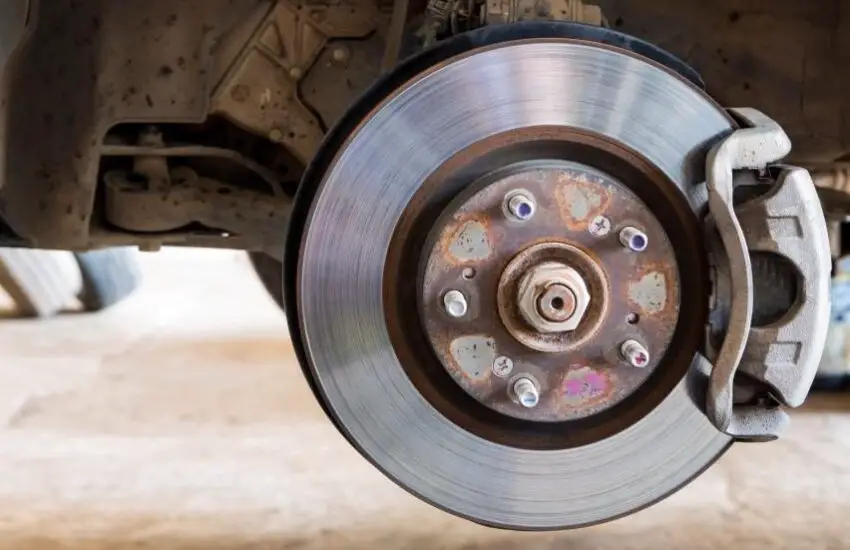
What Are Brake Rotors Made Of? Choosing the right type of rotor is important for the proper functioning of the braking system. You might encounter problems stopping the car if a component is underperforming.
Rotors can be made from several materials, and not all offer the same performance. Learn about the brake rotor material to know if it’s the right choice for your car.
What Are Brake Rotors Made Of?
Believe it or not, brake rotors can be made from six different materials. Let’s discover their advantages and disadvantages.
Cast Iron Brake Rotors
Cast iron is the most commonly used material in brake rotor manufacturing. Manufacturing with the right design can make it work even for performance vehicles.
However, it is a heavy material that adds to the total vehicle weight. This extra weight goes directly into the front wheels, making it somewhat difficult to handle.
Steel Brake Rotors
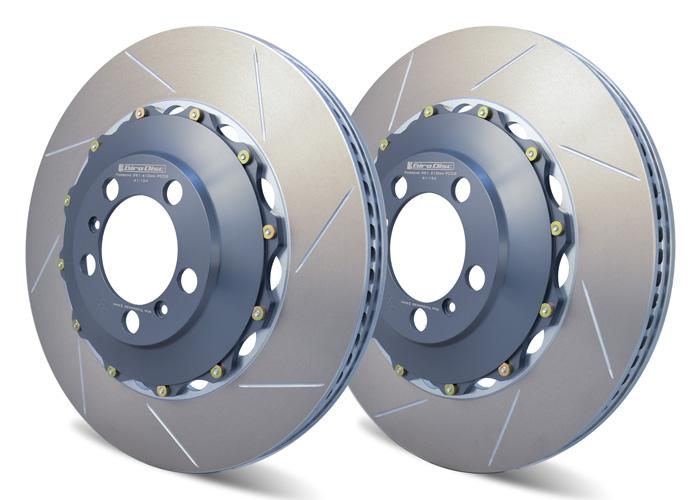
Due to their thinner dimensions and lighter weight, steel rotors have been the choice of racers for many years.
If you compare cast iron and steel brake rotors, the latter handle overheating conditions better. They offer a good balance of “grip” for drag cars and are also easier to handle due to their lighter weight.
However, steel rotors are not very durable. Moreover, warped rotors create annoying sounds and cause pulsating pedals during braking.
Layered Steel Brake Rotors
These rotors are made by placing steel sheets on top of each other and then laminating them together.
It’s a new favorite among racers due to its durability and resistance to warping. Unlike steel rotors, you don’t need to repair or replace them frequently.
However, these rotors are not popular with the general public, except among professional racers. Production is limited for this reason.
Aluminum Brake Rotors
Aluminum is lightweight and can release heat fairly quickly. But the melting point is lower than that of any other material.
For this reason, it is used in motorcycle rotors as they have to withstand less pressure than truck or SUV rotors.
High-Carbon Brake Rotors
Don’t be fooled by the name. This material is actually iron but with a good volume of carbon mixed in. These rotors can absorb and dissipate heat quickly and do not break under significant pressure.
Using them instead of steel rotors means losing at least 10 pounds of rotating weight, which significantly improves braking performance.
They also create less noise and vibration compared to other options. The only downside is the high price.
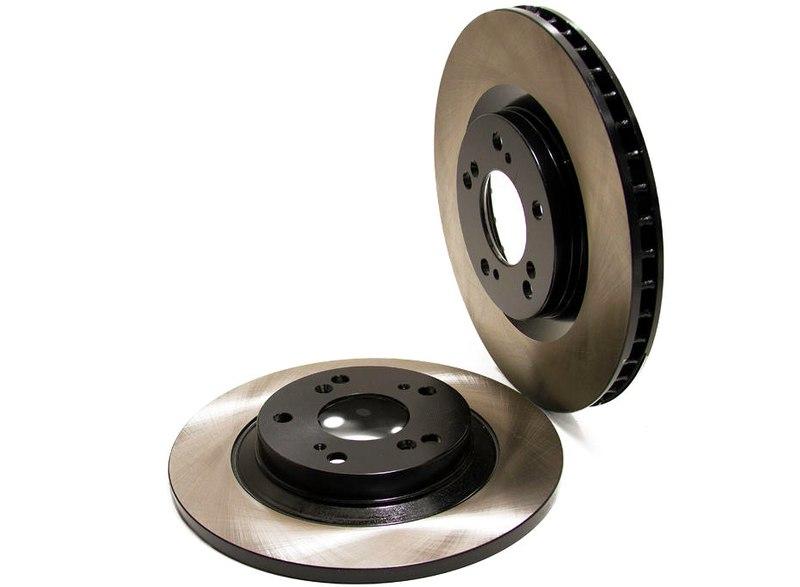
Originally developed for Formula 1 vehicles, carbon brake rotors are probably the best choice for the fastest drag cars.
Ceramic Brake Rotors
What are brake rotors made of? Well, if you drive a high-performance sports car, the rotors are definitely ceramic.
It has an incredibly superior heat absorption and release capacity as well as the ability to provide consistent performance under high pressure.
It is arguably the best material for brake rotors, but cast iron is more cost-effective if you use the car only for commuting.
How to Choose the Right Rotor for Your Vehicle
To help you get a rotor suitable for your vehicle, here is a summary table of the advantages and disadvantages of each brake rotor material.
| Brake Rotor Material | Advantages | Disadvantages | Common Applications |
| Cast Iron | Common and affordable | Adds weight to the vehicle | Suburban vehicles |
| Steel | Lightweight, good for racers | Not very durable | Racing and performance cars |
| Layered Steel | Durable, less warping | Limited production | Professional racing |
| Aluminum | Lightweight and fast heat dissipation | Lower melting point | Motorcycles |
| High Carbon | Efficient heat absorption | Higher price | Performance vehicles |
| Carbon-Mixed Iron | Exceptional for dragsters | N/A | Fastest drag cars |
| Ceramic | Excellent heat absorption | Expensive | High-performance sports cars |
According to the table above, when it comes to choosing the type of rotor to buy for your vehicle, it all depends on what you drive and how you drive it.
If you are a commuter, you are probably doing just fine with cast iron rotors. However, if you own a high-performance car and enjoy driving it on different types of terrain, you might want to consider high-carbon or ceramic rotors.
If you have a motorcycle, aluminum rotors are probably your best choice. If you enjoy racing, consider getting steel or ceramic rotors.
FAQ on Brake Rotor Materials
- Why Are Most Brake Rotors Made of Cast Iron?
Cast iron is a popular choice for brake rotors because it offers excellent heat dissipation and great durability. It can withstand the high temperatures generated during braking without warping.
- Can Brake Rotors Be Resurfaced or Machined?
Cast iron rotors can often be resurfaced or machined to remove minor wear and grooves. However, composite or carbon-ceramic rotors are typically replaced when worn, as they are more difficult to resurface.
- What Causes Brake Rotor Wear or Damage?
Brake rotors can wear out over time due to repeated braking, leading to reduced thickness. They can also be damaged by excessive heat, abrupt braking, or corrosion.
- How Can I Extend the Lifespan of My Brake Rotors?
Regular maintenance, including replacing brake pads at recommended intervals, can help extend the lifespan of your brake rotors. Avoiding excessive or prolonged abrupt braking can also reduce wear.
- Are There Eco-Friendly Materials for Brake Rotors?
Some manufacturers are exploring alternative materials for brake rotors, such as carbon fiber-reinforced composites, to reduce weight and improve energy efficiency.
However, these materials are still in the experimental phase and are not yet widely used in production vehicles.
Conclusion
After learning what brake rotors are made of, you can see that brake rotors are essential components of a vehicle’s braking system. They are typically made from materials like cast iron, carbon-ceramic composites, or stainless steel.
The choice depends on factors such as performance, budget, and vehicle use. Regardless of the material, brake rotors are crucial for safe and reliable braking, requiring regular maintenance and inspection.