
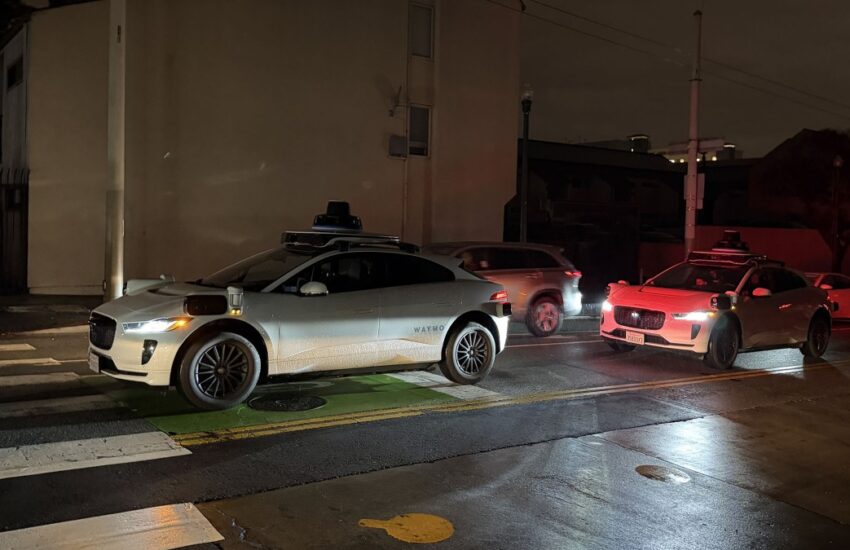
A Citywide Power Failure Puts Robotaxis to the Test
San Francisco recently experienced a major infrastructure crisis when a fire at a primary electrical substation triggered widespread blackouts. The event left approximately 130,000 homes and businesses without power, with some outages lasting nearly two days. Beyond the human inconvenience, this incident served as an unplanned, large-scale stress test for autonomous vehicle technology, specifically Waymo’s fleet of robotaxis operating in the city.
The Critical Failure at Intersections
The core challenge emerged at intersections where traffic signals were completely disabled. While human drivers are trained to treat such scenarios as all-way stops, proceeding with caution, Waymo’s autonomous vehicles reportedly encountered a critical failure in their operational logic. Faced with non-functioning traffic lights, the vehicles’ systems defaulted to a safety protocol that essentially caused them to stop and wait indefinitely for a signal that would never come. This led to significant disruptions, with robotaxis stalling at intersections and creating unexpected traffic obstacles during an already chaotic situation.
Revealing a Gap in Autonomous Decision-Making
This event highlights a significant gap in the operational design domain of current self-driving technology. The vehicles are meticulously programmed for predictable scenarios, but a complete and widespread loss of traffic infrastructure presents a complex, unstructured environment. The incident underscores the difference between navigating rules-based traffic systems and exercising the nuanced, interpretative judgment required in their absence. It raises important questions about how autonomous systems should be designed to handle rare but critical failure modes of city infrastructure.
Lessons for the Future of Urban AVs
The San Francisco blackout provides a crucial real-world lesson for the autonomous vehicle industry. For widespread adoption in dense urban environments, this technology must prove resilient not only in fair-weather conditions but during systemic failures. Developing robust fallback strategies and more advanced AI capable of interpreting chaotic, unstructured environments is now a clear imperative. The path forward likely involves creating sophisticated contingency protocols for such edge cases, ensuring robotaxis can contribute to urban mobility solutions rather than becoming part of the problem during a crisis.