
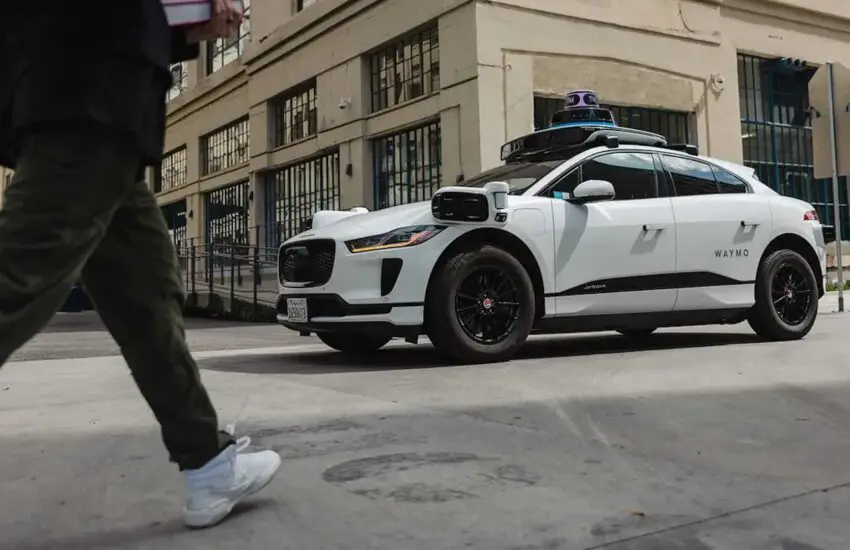
Waymo’s Highway Expansion: A New Era for Self-Driving Cars
Waymo has achieved a groundbreaking regulatory approval to operate its autonomous taxis on U.S. highways, marking a significant leap forward for the self-driving industry. Previously confined to city and suburban streets, this authorization opens up vast new possibilities for long-distance autonomous travel and sets a precedent for future deployments.
Overcoming Technical and Regulatory Hurdles
Highway driving presents unique challenges for autonomous vehicles, including higher speeds, complex merging maneuvers, and rapid decision-making requirements. Waymo’s technology has undergone rigorous testing to handle these scenarios, utilizing advanced sensors and real-time data processing. Regulatory bodies have closely monitored safety records before granting this expanded operational domain, ensuring public confidence in the technology’s capabilities.
Implications for Transportation and Urban Planning
This development signals a shift in how autonomous vehicles integrate into national infrastructure. Highway-capable robotaxis could transform intercity travel, reduce congestion through optimized routing, and provide new mobility options for underserved areas. The expansion also prompts discussions about updating traffic management systems and developing specialized lanes for autonomous vehicles.
As Waymo demonstrates the viability of highway operations, other companies in the autonomous vehicle sector are likely to accelerate their own highway testing programs. This competitive landscape promises rapid innovation while raising important questions about standardization and interoperability between different autonomous systems sharing the same roadways.