
A Monumental Funding Round for Self-Driving Technology
Waymo, the autonomous vehicle subsidiary under Alphabet, has announced a historic $16 billion investment round. This colossal fundraising effort marks one of the largest single infusions of capital ever seen in the self-driving industry. The funds are earmarked to aggressively scale its commercial robotaxi service, Waymo One, and solidify its technological lead in an increasingly competitive market.
Fueling Expansion and Technological Dominance
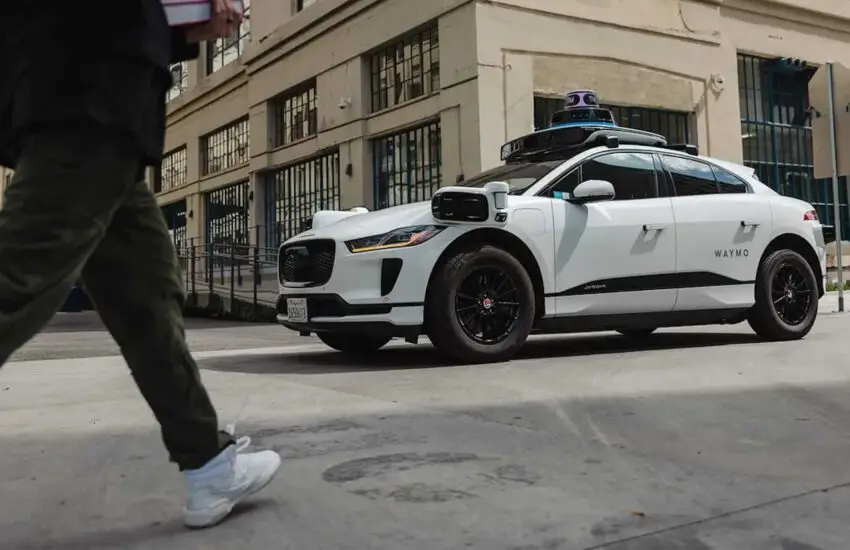
The primary objective of this capital is to accelerate geographic expansion. Waymo intends to deploy its fleet of fully autonomous Jaguar I-PACE and Zeekr vehicles into new metropolitan areas across the United States. This move is a direct challenge to traditional ride-hailing and emerging competitors, aiming to establish a dominant market presence through widespread availability.
Beyond fleet growth, a significant portion of the investment will be dedicated to advancing its core technology. This includes refining its fifth-generation Waymo Driver, enhancing sensor suites, and developing more robust artificial intelligence systems capable of handling complex urban driving environments. The goal is to improve safety, reliability, and passenger comfort, thereby increasing public trust and adoption rates.
Navigating a Competitive and Evolving Market
This funding arrives at a critical juncture for the autonomous vehicle sector. While technological hurdles remain, the race has shifted toward commercialization and scalable operations. Waymo’s substantial war chest provides it with a formidable advantage to navigate regulatory landscapes, invest in necessary infrastructure, and sustain operations as it progresses toward profitability.
The scale of this investment signals strong investor confidence in Waymo’s business model and long-term vision for transportation. It underscores a belief that autonomous ride-hailing is not a distant future concept but an imminent reality. The deployment of these funds will be closely watched as a benchmark for the industry’s ability to transition from testing phases to a genuine, large-scale mobility service.